7 min read
Is PinealPure a Scam? 39 RCTs Later, Here's the Real Verdict
Pycnogenol® backed by 39 RCTs. Bacopa by 9. But the 'pineal detox' claims? Zero human trials. Full ingredient breakdown and honest verdict...
April 16, 2026
Read →
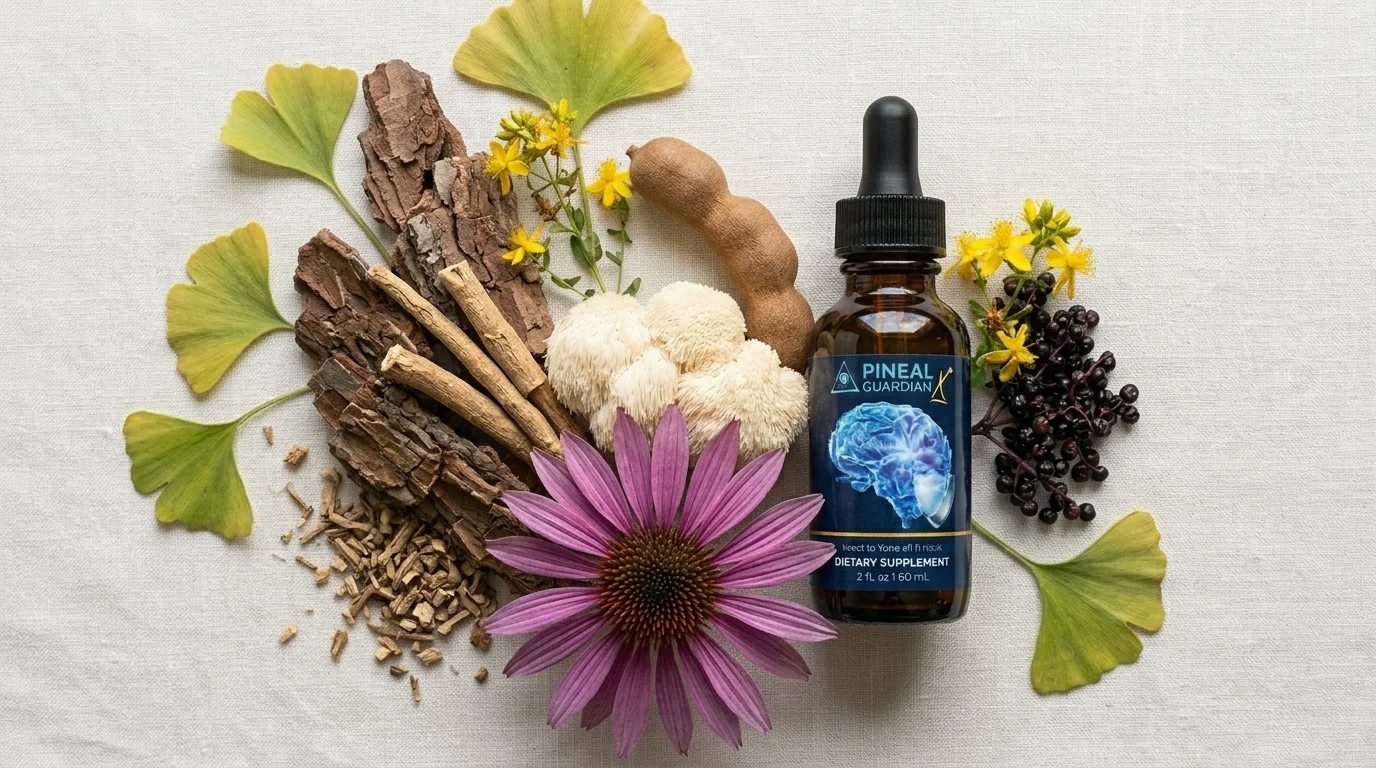
You’ve seen the label. Nine plant-based ingredients, liquid drops, a clean product page. Now you’re doing the thing the marketing team was hoping you wouldn’t do: actually looking up whether any of it works.
Nine ingredients sounds impressive. But in a proprietary blend, you’re trusting the label — not the dose.
That’s the tension this article works through. Every botanical in the formula, what the published research says about it, what dose the research actually used, and where the formula falls short. If you want the full product review — experience, pricing, final buy recommendation — that’s in the complete Pineal Guardian review. This piece answers a narrower question: is the formula scientifically defensible?
Mostly defensible. That’s a genuine compliment in this category.
Quick Verdict — Pineal Guardian
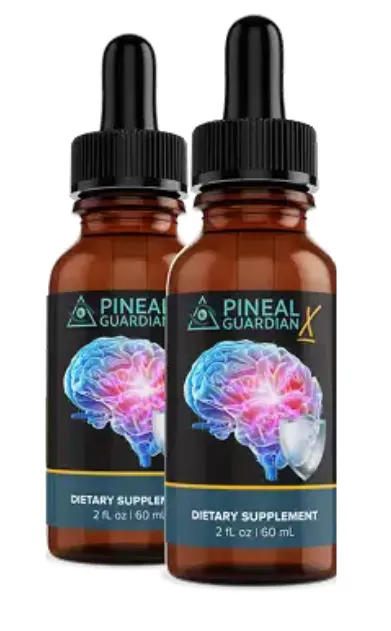
Seven of nine ingredients have real scientific support for cognitive protection, antioxidant function, or fluoride/heavy metal detoxification. The formula is better than most in this category. The problem: it's a proprietary blend, so actual dosages are undisclosed — and for Lion's Mane and Bacopa especially, dose is everything.
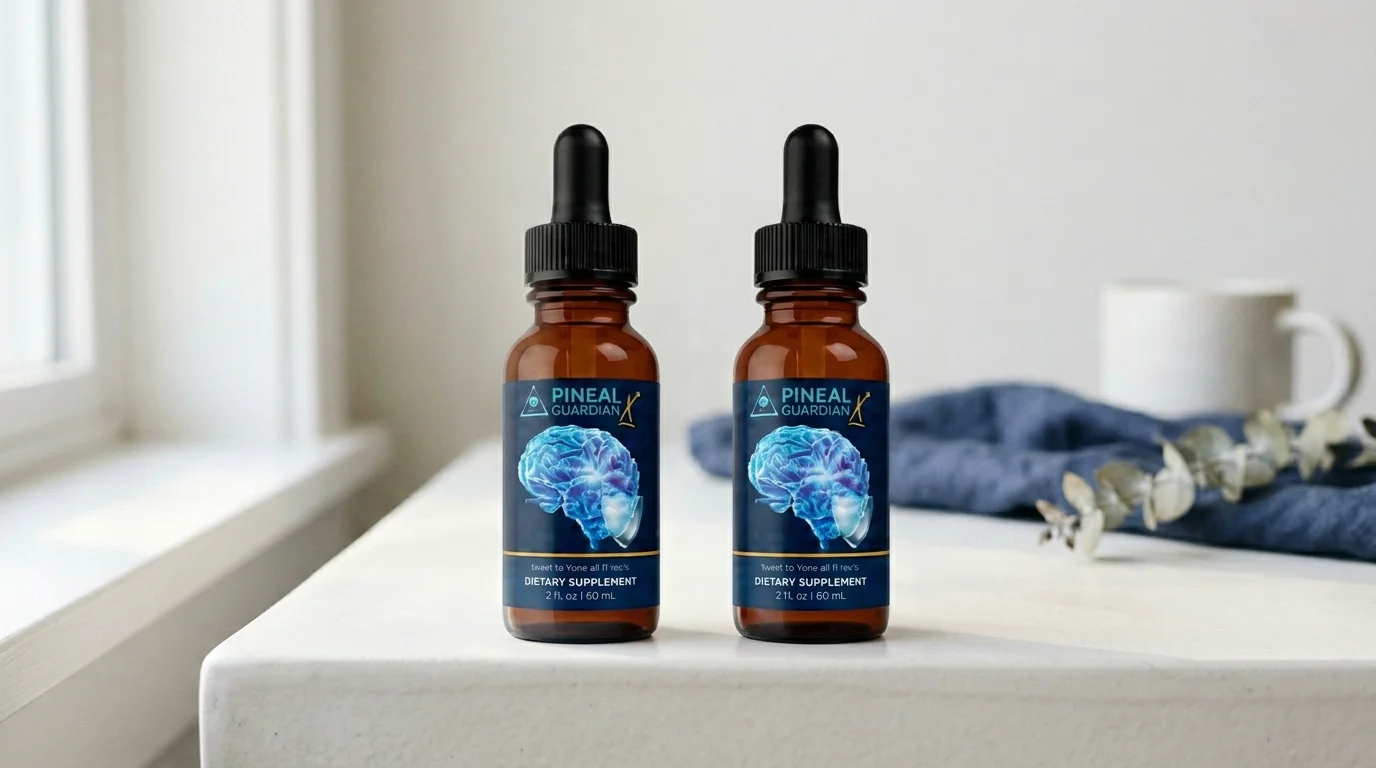
Pineal Guardian contains nine plant-based botanicals delivered as liquid drops — taken sublingually, under the tongue. The manufacturer claims this improves absorption over capsule formats. That claim is plausible for certain compounds. It hasn’t been verified for this specific combination.
Here is the complete list, with botanical names, primary function, and my evidence rating based on published research:
| Ingredient | Botanical Name | Primary Function | Evidence Tier |
|---|---|---|---|
| Pine Bark Extract | Pinus pinaster | Antioxidant, neuroprotection | Tier 1 |
| Tamarind | Tamarindus indica | Fluoride excretion, detox | Tier 1 |
| Chlorella | Chlorella vulgaris | Heavy metal chelation | Tier 1 |
| Ginkgo Biloba | Ginkgo biloba | Cerebral circulation, memory | Tier 1 |
| Spirulina | Arthrospira platensis | Antioxidant, anti-inflammatory | Tier 1 |
| Lion’s Mane | Hericium erinaceus | NGF stimulation, cognition | Tier 2 |
| Bacopa Monnieri | Bacopa monnieri | Working memory, anxiety | Tier 2 |
| Moringa | Moringa oleifera | Antioxidant, anti-inflammatory | Tier 2 |
| Neem | Azadirachta indica | Antimicrobial, systemic detox | Tier 3 |
Tier definitions:
Nine sections. I’ll keep each one honest about what the data actually shows.
Pine Bark Extract from Pinus pinaster contains procyanidins, catechins, and phenolic acids — an antioxidant profile with solid documentation. A 2011 review in Research in Pharmaceutical Sciences (Iravani & Zolfaghari) documented its protective effects against beta-amyloid and glutamate-induced neurotoxicity, with anti-inflammatory activity in vitro and in animal models. Pycnogenol®, the standardized commercial form, has been used in cardiovascular studies at doses of 50–300 mg/day.
The cognitive-specific evidence in humans is thinner than the in vitro data implies. I wouldn’t overstate the pineal-specific angle here. But as an antioxidant anchor for a botanical blend, it earns its place.
This is the most strategically placed ingredient in the formula. It has the most direct evidence for what Pineal Guardian actually claims to do.
A 2002 human study (Khandare et al., European Journal of Clinical Nutrition) found that 10g of tamarind per day over 18 days increased urinary fluoride excretion by ~37% — from 3.5 to 4.8 mg/day (p<0.001). A 2004 follow-up by the same team confirmed tamarind mobilizes fluoride deposited in bone tissue, without needing defluoridated water.
The caveat worth noting: these studies measured fluoride excretion, not pineal gland decalcification specifically. The logical chain — fluoride contributes to pineal calcification, therefore excreting more fluoride reduces that load — is biologically plausible. No RCT has closed the loop directly. For a deeper look at that connection, see fluoride and the pineal gland.
Among all nine ingredients, Tamarind has the clearest mechanistic link to this product’s core claim. That matters.
Chlorella follows the same logic as Tamarind — and hits the same wall.
A 2009 study found that chlorella intake induces metal-binding proteins involved in cadmium detoxification — with MT-like proteins in Chlorella vulgaris cells capturing absorbed heavy metals, a chelation mechanism that appears to operate post-absorption rather than solely at the gut level. A 2021 in vitro study (Yadav et al.) identified high binding affinity for heavy metal ions via carboxyl, amino, and phosphoryl groups. The chelation mechanism is real.
The unconfirmed step: “chlorella binds heavy metals” does not automatically equal “chlorella decalcifies the pineal gland.” That inference requires a study that hasn’t been run. If your concern is general heavy metal load, this ingredient is defensible. As a direct pineal decalcification agent, it’s a hypothesis.
I was skeptical about this one at first. Ginkgo shows up in so many nootropic blends as a credibility ingredient — the kind that’s there because it looks good on a label, not because it’s pulling weight. It still feels like potential overkill in a formula that already has five Tier 1 botanicals. Then I looked at the dose data again.
A 2021 PMC study on EGb 761 confirmed the three primary mechanisms behind Ginkgo’s cognitive benefits: increased cerebral blood flow, reduced lipid peroxidation, and reduced amyloid plaque deposition — a tri-pathway profile that distinguishes it from simpler antioxidant botanicals in the formula. A 2024 integrative review of 25 studies (2010–2023) confirmed improvements in memory, attention, and executive function at 120–240 mg/day. The data changed my position on this one.
Tier 1. Decades of research. Ginkgo’s evidence base is more robust than most botanical cognition claims.
A 2023 PMC study on Spirulina platensis found significantly more viable neurons in perilesional fields following induced hemorrhage in treated animals — attributed to phycocyanin’s antioxidant and anti-inflammatory activity. A 2022 PMC review confirmed neuroprotective potential across Parkinson’s, Alzheimer’s, and MS models.
The authors of the 2022 review wrote it plainly: “additional studies are needed to clarify the mechanisms of action.” Tier 1 on mechanism. Lower certainty on whether any of that applies to someone dropping a pineal supplement into their morning routine. That’s an honest reading of the evidence.
Here’s where the formula’s biggest credibility question lives.
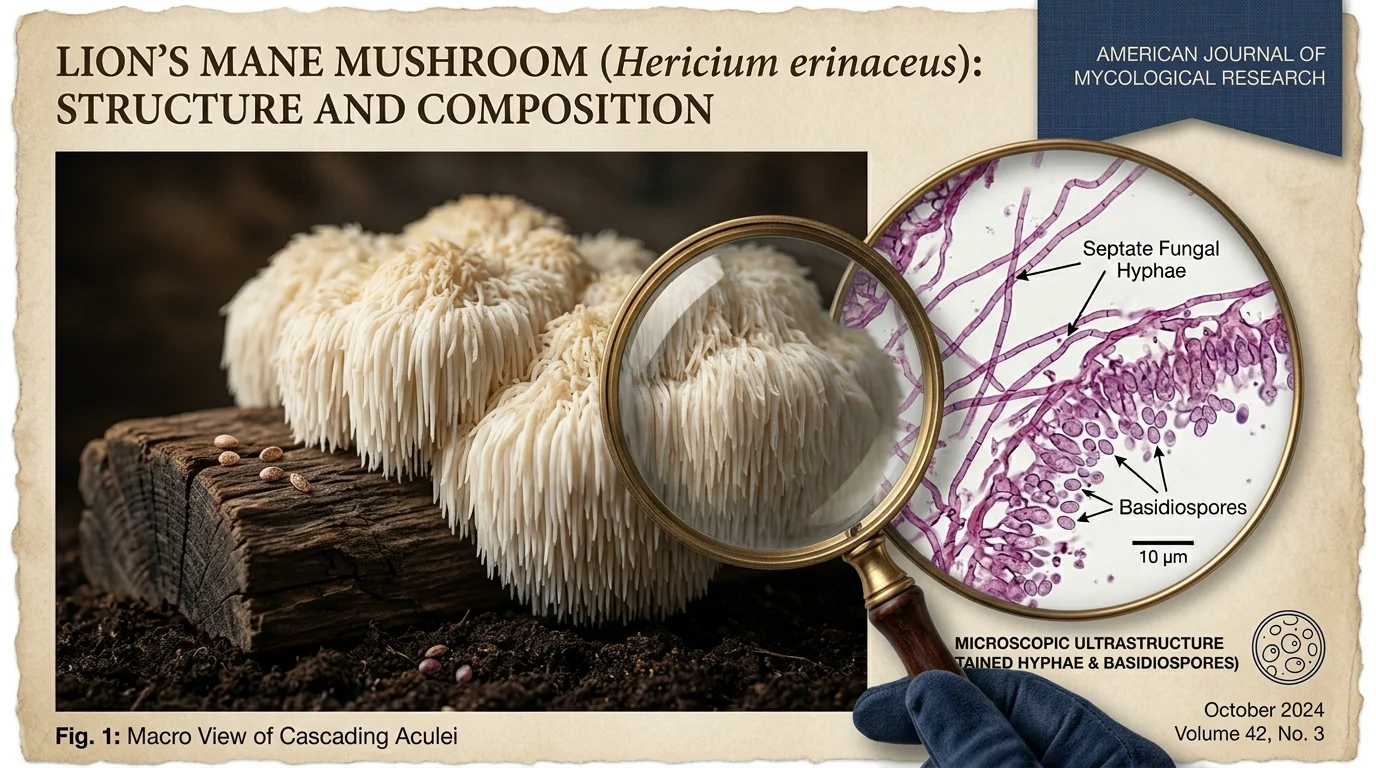
Lion’s Mane (Hericium erinaceus) contains hericenones and erinacines — compounds where the neurotrophic mechanism is thoroughly documented: hericenones and erinacines stimulate NGF synthesis via TrkA receptor phosphorylation through ERK and Akt signaling pathways — a cascade that promotes neuronal growth and repair in vitro and in animal models, though clinical dose thresholds in humans remain the central open question.
The problem is dose. The most referenced RCT for cognitive benefit in humans used 3,000 mg/day for 16 weeks. A 2023 Nutrients trial found that lower doses produce only tentative improvements in processing speed and stress reduction — confirming that while the Lion’s Mane mechanism is real, any formulation delivering sub-therapeutic amounts is unlikely to replicate the cognitive benefits documented at 3,000 mg/day.
This formula delivers nine ingredients in liquid drop form. Whether any single one reaches 3,000 mg per daily serving is, at best, unlikely. At worst, it’s a label credibility play: an ingredient that sounds compelling, present in trace amounts, contributing less than the science would require.
Tier 2. The ingredient is real. The mechanism is real. The dose in this product is almost certainly insufficient to replicate clinical findings.
Bacopa (Bacopa monnieri) is one of the better-studied Ayurvedic nootropics. Ayurvedic practitioners have used the plant — known as Brahmi — for centuries to support memory and learning. Some Vedic scholars reportedly used it to aid retention of sacred texts. Two thousand years of traditional use means something. It means less than one well-powered RCT — but it’s a useful signal that the plant isn’t nothing.
The clinical data: a 12-week placebo-controlled RCT found that 300 mg/day of standardized Bacopa extract improved working memory, attention, and cognitive processing over 12 weeks — with effects persisting four weeks after cessation, and the mechanism confirmed as AChE inhibition combined with bacosides-mediated modulation of synaptic plasticity.
Two things worth knowing: first, this is a slow-acting ingredient — 8–12 weeks of consistent use before meaningful effects emerge. Second, a 2026 Cochrane protocol review identified high risk of bias across all existing Bacopa trials, with sample sizes of 30–40 participants. The effect is consistent in direction. Promising. Not proven. There’s a difference.
If the dose in this formula approaches 300 mg/day, Bacopa could be the most clinically relevant ingredient here. If it’s well below that — which nine ingredients in one liquid serving makes plausible — it won’t matter.
Moringa (Moringa oleifera) is genuinely antioxidant-rich. Quercetin, chlorogenic acid, carotenoids — all well-documented (PMC, 2022). A 2023 comprehensive PMC review confirms anti-inflammatory and neuroprotective activity in animal models.
What the literature doesn’t contain: any study specifically testing Moringa’s effect on pineal calcification, or vascular calcification, in humans. Pineal Guardian’s own marketing materials frame Moringa as an “anti-calcification” ingredient. That framing is an extrapolation from general antioxidant activity — plausible as a mechanism, unvalidated as an outcome.
Tier 2. Real botanical. Real antioxidant profile. Indirect pineal relevance, at best.
Neem (Azadirachta indica) is the hardest ingredient to defend in this formula for this stated purpose.
Neem has well-documented antimicrobial, anti-inflammatory, and hepatoprotective properties. What it doesn’t have: PMC or PubMed studies connecting it to cognitive function, pineal gland health, or calcification processes. Its inclusion might serve general systemic detox purposes — that’s a defensible angle. Calling it a pineal-specific botanical would be a stretch that the published literature doesn’t support.
Tier 3. Useful plant. Wrong framing for this context.
A proprietary blend discloses the ingredient list but not the individual quantities. You know what’s in the formula. You don’t know how much of each.
This is standard practice in the supplement industry, not inherently fraudulent. I’ve heard the argument that proprietary blends protect small manufacturers from being undercut by competitors who could replicate a formula exactly. That argument might hold for artisan hot sauces. It holds less water for health supplements, where the dose is the product.
The practical problem for you as a consumer:
| Ingredient | Effective Dose in Research | Pineal Guardian (Actual) |
|---|---|---|
| Lion’s Mane | ≥3,000 mg/day | Unknown |
| Bacopa Monnieri | 300–450 mg/day | Unknown |
| Ginkgo Biloba | 120–240 mg/day | Unknown |
| Pine Bark Extract | 50–300 mg/day | Unknown |
| Spirulina | 1,000–8,000 mg/day | Unknown |
Nine ingredients split across a liquid drop serving. Do the math yourself.
This doesn’t make the formula worthless. The synergistic effects of sub-threshold doses of multiple botanicals haven’t been studied — that synergy could be additive, even at lower individual amounts. It could also be negligible. We don’t know, because no study has tested this specific combination at these amounts.
What I can say: the ingredient selection is intelligent. Most of these botanicals are in the formula for defensible reasons. The dosing uncertainty is the one structural problem the formula can’t answer.
If I were formulating a supplement specifically targeting pineal gland health and decalcification, these are the compounds I would include — and their absence from Guardian is worth flagging.
Vitamin D3 + K2: The most evidence-backed combination for managing vascular and soft-tissue calcification. K2 (particularly MK-7) directs calcium away from soft tissue and toward bone. D3 and K2 together are well-established. This absence is a real gap.
Iodine: Pineal XT uses iodine as a central ingredient. There’s a biologically plausible case that iodine supports melatonin synthesis and overall pineal function. Guardian uses Tamarind and Chlorella for the detox angle but offers nothing analogous for iodine.
Magnesium: A cofactor in hundreds of neurological processes, including melatonin production and synaptic plasticity. Entirely absent.
Boron: Emerging evidence suggests a role in reducing calcium deposits and supporting bone metabolism. Lower priority than the others, but worth noting.
None of these absences disqualify the product. But if you’re comparing Guardian against a custom stack — or trying to understand why some users don’t respond — missing cofactors are a reasonable hypothesis.
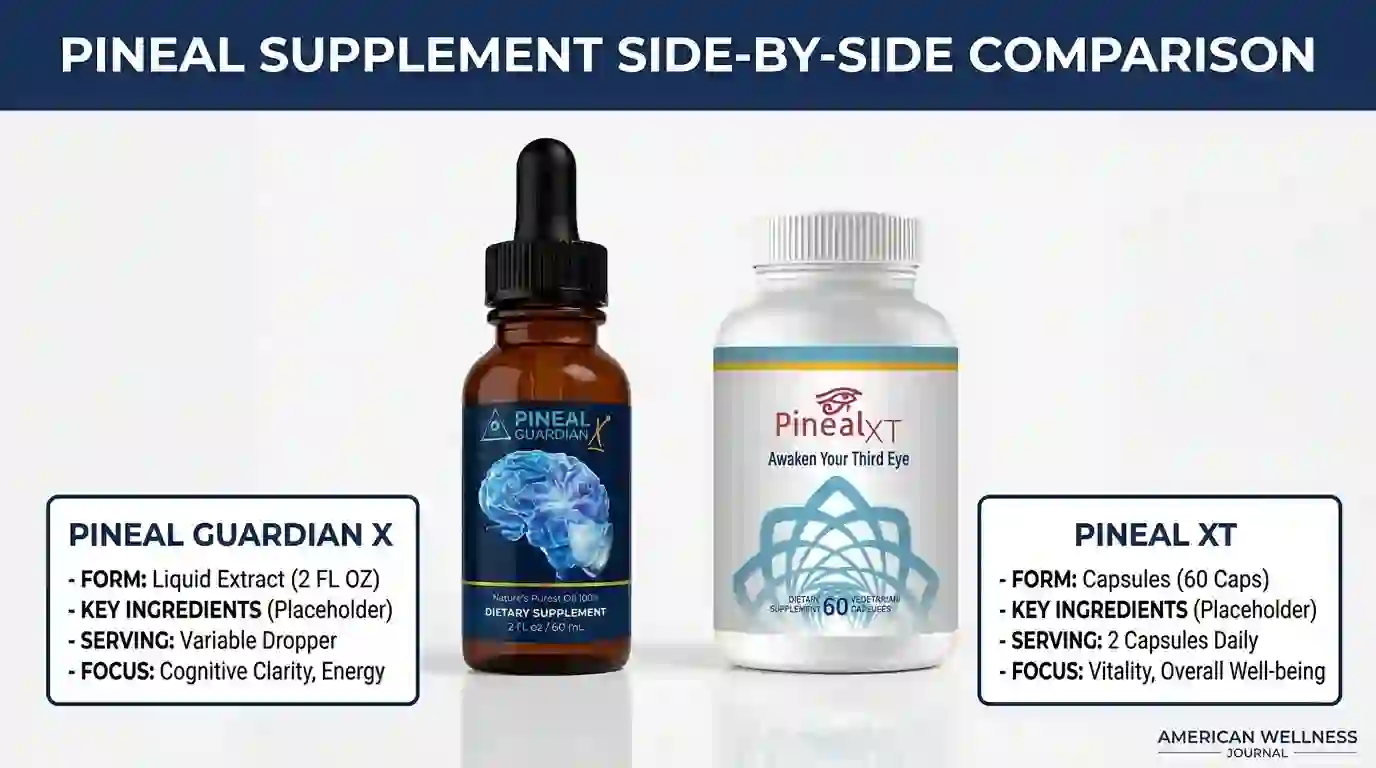
Pineal Guardian and Pineal XT are the two products most commonly compared in this category. They share positioning and some marketing language. The formulas are genuinely different — not just in packaging.
| Feature | Pineal Guardian | Pineal XT |
|---|---|---|
| Delivery | Liquid drops | Capsules |
| Total ingredients | 9 botanicals | 7 ingredients |
| Fluoride management | Tamarind, Chlorella | Iodine, Seaweed |
| Cognitive support | Lion’s Mane, Bacopa, Ginkgo | Schisandra, Chaga |
| Adaptogens | Neem, Moringa | Chaga, Schisandra |
| Proprietary blend | Yes | Yes |
| Primary approach | Plant-forward / botanical | Mineral + fungal |
| Missing cofactors | D3/K2, Iodine, Magnesium | Ginkgo, Bacopa |
Neither is objectively better. Guardian is the stronger choice if you want botanical depth — Ginkgo, Bacopa, Lion’s Mane are legitimate cognitive ingredients. Pineal XT is the stronger choice if you want a mineral-driven approach with iodine as the central mechanism.
For a full ingredient breakdown of Pineal XT, see the Pineal XT ingredients analysis. For a broader comparison of decalcification supplements, the pineal gland supplement hub covers the field.
What Works:
What Doesn’t:
The ingredients are real. Whether the doses are sufficient is unknown. That’s the complete honest answer.
Most ingredients here have documented mechanisms — Tamarind and Chlorella for detoxification, Ginkgo and Bacopa for cognition, Spirulina and Pine Bark for antioxidant protection. The formula is built around a coherent rationale. You’re not taking random plants.
What the formula can’t answer for itself: proprietary blends make it impossible to confirm whether any individual ingredient is present at a dose matching clinical evidence. You get the credibility of the ingredient names without confirmation of the amounts. That limitation applies to this product and essentially every supplement in this category.
For the full evaluation — user experience, pricing, return policy, and a final purchase recommendation — the complete Pineal Guardian review covers all of that.
→ See current pricing and formulation details

I have genuinely mixed feelings about this formula. Which is probably the most honest thing I can say about it.
The ingredient selection is intelligent. Whoever formulated this blend engaged with the literature. Tamarind for fluoride, Chlorella for heavy metals, Ginkgo and Bacopa for cognitive support — those are defensible choices with real evidence behind them. Most supplement formulas in this category don’t do that work.
The evidence quality is mixed, but better than average. Five Tier 1 ingredients. Three Tier 2. One Tier 3 (Neem, which I’d swap out). That ratio beats most products competing for this customer.
The proprietary blend is the single structural limitation. Not a disqualifier — but it keeps the rating at 3.8/5.0 rather than 4.2 or higher. If Lion’s Mane and Bacopa were disclosed at clinically relevant doses, this would be a significantly stronger case for the product.
What’s missing does matter. D3/K2 and Iodine are not minor omissions for a product specifically targeting pineal health. If you use this product, consider stacking those two separately.
My position: if you want a plant-based botanical blend with a coherent detox and cognitive rationale, and you’re comfortable with the uncertainty of a proprietary blend, Pineal Guardian is a reasonable choice. If you need certainty about what you’re taking at what dose, no supplement in this category can currently give you that.
Ingredients are not outcomes. That’s the honest answer.
Quick Verdict — Pineal Guardian
Seven of nine ingredients have documented mechanisms relevant to pineal health, cognitive protection, or detoxification. The formula is better than category average. Proprietary blend prevents evaluation of clinical dosing — particularly for Lion's Mane and Bacopa. Missing D3/K2 and Iodine. Best suited for those wanting a plant-based botanical approach and prepared to run a full 8–12 week trial.
Pycnogenol® backed by 39 RCTs. Bacopa by 9. But the 'pineal detox' claims? Zero human trials. Full ingredient breakdown and honest verdict...
Pineal Guardian wins on evidence quality (39 RCTs behind Pine Bark). Pineal XT targets fluoride via iodine. Full ingredient breakdown and...

61.65% of adults have pineal calcification (Belay 2023). Boron, K2, tamarind, iodine — ranked by peer-reviewed mechanism data. One outranks...

Marcus Hale
Independent Researcher · Former Clinical Neuroscientist
I spent 12 years in clinical neurology before the questions got more interesting than the answers. PinealCode is where I document what I find at the intersection of brain science and consciousness.