7 min read
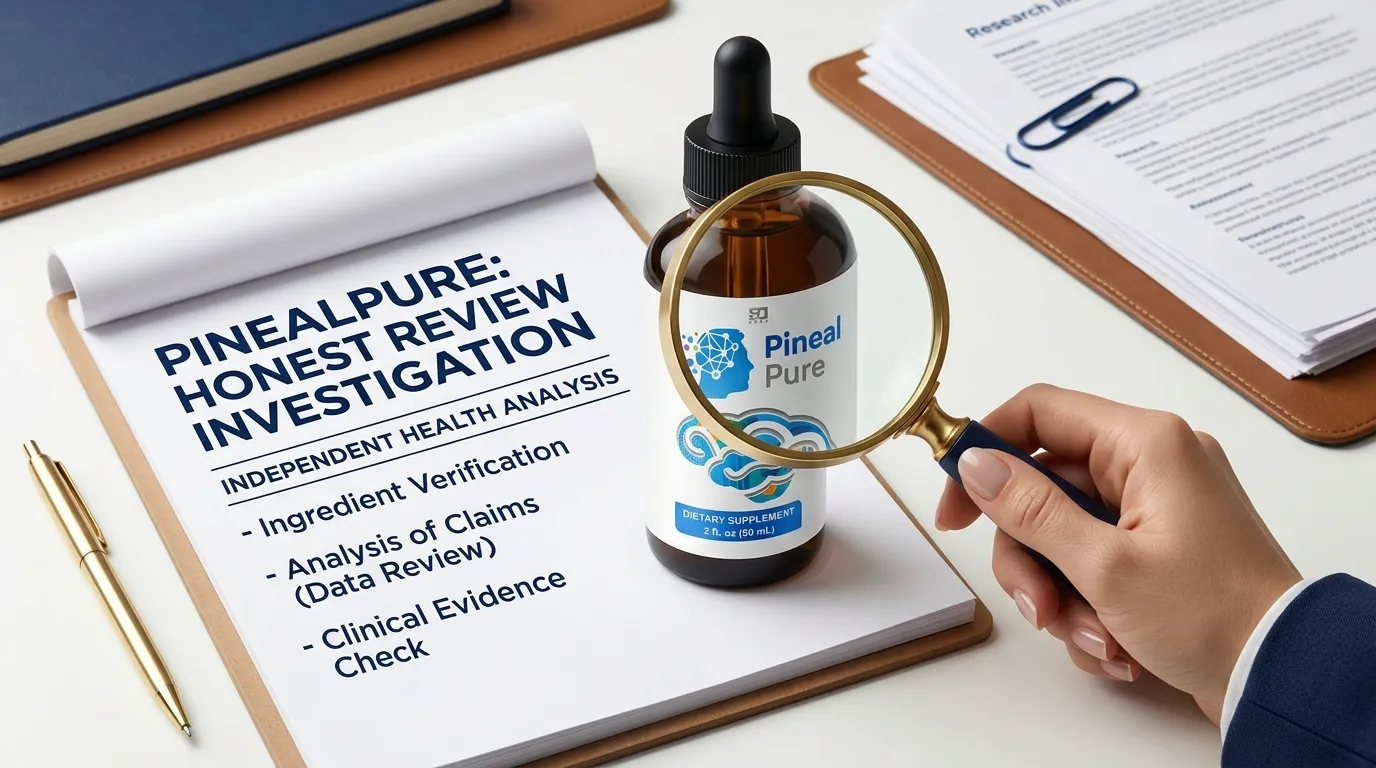
Is PinealPure a Scam? 39 RCTs Later, Here's the Real Verdict
Pycnogenol® backed by 39 RCTs. Bacopa by 9. But the 'pineal detox' claims? Zero human trials. Full ingredient breakdown and honest verdict...
April 16, 2026
Read →

You wake up and your head already feels full of static. The word you needed five minutes ago is gone. You slept seven hours but feel like you slept four. Focus comes in fragments — enough to function, not enough to think clearly. If that pattern sounds familiar, you’ve probably started looking for answers, and at some point, Pineal Guardian showed up.
Pineal Guardian is a liquid botanical supplement with nine plant-based ingredients. The manufacturer claims it supports memory, mental clarity, and what they call “pineal gland decalcification.” Those are big claims. I spent weeks going through the research behind each ingredient — not the marketing copy, the actual studies — before forming an opinion. Here’s what I found, without the hype.
Quick Verdict — Pineal Guardian
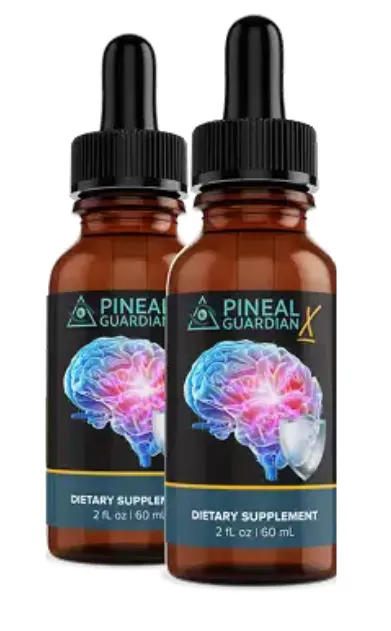
Real botanical formula with three legitimately researched cognitive ingredients. Main limitation: proprietary blend hides individual doses. The 365-day guarantee makes it a low-risk trial for anyone already doing the basics who wants a plant-based next step.

No. That’s the direct answer. But the skepticism you feel when you read claims about “decalcifying your pineal gland” is valid — and I’d be doing you a disservice if I told you to ignore it.
There are two legitimate red flags here. First, the formula is a proprietary blend, which means the company is not required to disclose individual ingredient doses. That’s a real limitation, not a minor footnote. Second, the “pineal decalcification” claim has no clinical trial supporting it — not for this product, and not for any oral supplement currently on the market. That claim is marketing, and I’ll explain exactly what the science does and doesn’t say when we get to ingredients.
That said, the signals that this is a legitimate product are also real. The botanicals listed are actual, well-documented compounds — not invented names or untraceable extracts. There are no dangerous stimulants, no synthetic additives, no flagged interactions in standard formulations. The 365-day money-back guarantee is four to six times longer than the industry standard of 60 to 90 days. That kind of guarantee costs the company real money to honor, which is a meaningful signal.
One more thing worth stating plainly: Pineal Guardian is only sold through the official website. It is not authorized for sale on Amazon, eBay, or any third-party retail platform. Purchasing through those channels voids your guarantee entirely.
→ Buy only through the official website
Pineal Guardian is delivered as a liquid dropper — not a capsule or tablet. That distinction matters more than most supplement companies will tell you. Sublingual and oral liquid delivery bypasses the first-pass digestion that degrades a portion of capsule-based compounds before absorption. For botanical extracts, that can meaningfully increase bioavailability, though the degree varies by ingredient.
The official claims center on three areas: improved memory recall, enhanced mental clarity, and support for pineal gland health — specifically, reducing the calcification that accumulates in the pineal gland over time. If you’re not familiar with what that process looks like and why it matters, understanding the symptoms that correlate with pineal calcification is worth doing before evaluating any supplement in this category.
Pricing sits at approximately $49 per bottle for a 30-day supply, with multi-bottle discounts available. The 365-day satisfaction guarantee applies to all purchase tiers.
What Works:
What Doesn’t:

Lion’s Mane (Hericium erinaceus)
This is the most compelling ingredient in the formula — and the most dose-sensitive. A 16-week randomized controlled trial in adults with mild cognitive impairment found that participants taking 3g of Lion’s Mane daily scored significantly higher on cognitive assessments — and lost those gains within four weeks of stopping supplementation.
In a 16-week RCT, adults with MCI who took Lion’s Mane daily scored significantly higher on cognitive tests — and lost those gains within 4 weeks of stopping.
That’s not a miracle ingredient — that’s a maintenance compound. Docherty et al. (2023) confirming 1.8g daily improved processing speed and reduced stress in healthy young adults over 28 days extends the Lion’s Mane evidence base beyond MCI populations to otherwise healthy adults. A 2025 study (PMID 40276537) made the mechanism explicit: a single acute dose produces no measurable effect. This ingredient requires consistent, chronic supplementation. Abandoning it after two weeks is like abandoning a strength program because you didn’t PR your deadlift in week one. The adaptation hasn’t happened yet.
Bacopa Monnieri
A 12-week placebo-controlled trial showed meaningful improvements in attention, working memory, and processing speed with 300mg of Bacopa daily — with effects becoming statistically significant at 8 weeks, not at the start of supplementation. A 2026 study (PMC12935425) replicated the direction of effect in amnestic MCI at the same dose and timeframe. The consistent finding across both: effects begin emerging at 8 weeks, not week one. Anyone who stops at week four and says it didn’t work gave the compound less than half the time the data requires.
Pine Bark Extract (Pycnogenol)
Research testing 150mg of Pycnogenol® over three months found that spatial working memory improved by 10.9% alongside an 8.5% gain in overall memory quality — effects driven by the compound’s combined vasoactive, anti-inflammatory, and antioxidant mechanisms. The cognitive benefit of standardized pine bark extract is explained by vasoactive, anti-inflammatory, and antioxidant pathways acting in combination — which is precisely why generic “pine bark extract” without standardization to Pycnogenol’s bioactive profile may not replicate the results seen in clinical trials. Whether Pineal Guardian uses standardized Pycnogenol or a generic equivalent is not disclosed. That gap matters.
Ginkgo Biloba
The Ginkgo evidence runs in two directions — and both are worth knowing. A meta-analysis of controlled trials found that EGb761 at 240mg per day stabilized cognitive decline in MCI and early dementia patients over 22–26 weeks — particularly in those presenting neuropsychiatric symptoms alongside cognitive changes. The GEM Trial (PMC2823569, DeKosky 2008), which tracked 3,069 older adults, found that Ginkgo did not prevent the onset of dementia. Both things are true. Ginkgo supports what’s there; it doesn’t reverse what’s already significantly declined.
Moringa: The data is real — SOD up 10.4%, glutathione up 18% (PMC6680322). What’s missing is the bridge from those biomarkers to actual cognitive outcomes. The biology is plausible. The translation isn’t there yet.
Spirulina: Safe. Not a heavy hitter. The antioxidant effect clears a p-value of 0.05 — barely (PMID 34235823). Include it in the formula? Fine. Lead with it? No.
Chlorella: PMC6523211 documented meaningful reductions in mercury and tin over 90 days in a combined formula. As an isolated contribution in a multi-ingredient blend, chlorella’s individual role is genuinely hard to parse.
Tamarind: I want to be straight with you here, because I changed my read on this ingredient partway through the research. Khandare 2002 (PMID 11840184) and 2004 (PMID 15105030) documented a 37% increase in urinary fluoride excretion in children consuming 10g per day of tamarind over 18 days. That’s real, documented data. But not one study connects tamarind ingestion to pineal gland decalcification specifically. Fluoride excretion is documented. Pineal application is extrapolation. If you want to understand how fluoride actually interacts with the pineal gland, read that before drawing conclusions from the marketing.
Neem: Pre-clinical data only. No human RCT for cognitive health or pineal function exists in the literature. Its inclusion here is unexplained by the research.
This is my biggest issue with the formula — not the ingredients themselves, but the silence around how much of each you’re actually getting.
| Ingredient | Clinically Studied Dose | Risk in Proprietary Blend |
|---|---|---|
| Lion’s Mane | 1,000–3,000 mg/day | High — frequently underdosed |
| Bacopa Monnieri | 300 mg/day | Moderate |
| Pine Bark / Pycnogenol | 150 mg/day | High — expensive, often underdosed |
| Ginkgo Biloba | 240 mg/day (EGb761) | High — generic extracts not standardized |
| Spirulina / Chlorella | 1,000–5,000 mg/day | Very high — milligram doses are symbolic |
The issue isn’t that the ingredients are wrong. It’s that having the right ingredient at the wrong dose produces nothing. For anyone also exploring non-supplemental approaches, natural decalcification methods that actually have evidence behind them is worth reading as a baseline comparison.
→ View full ingredient list and current pricing
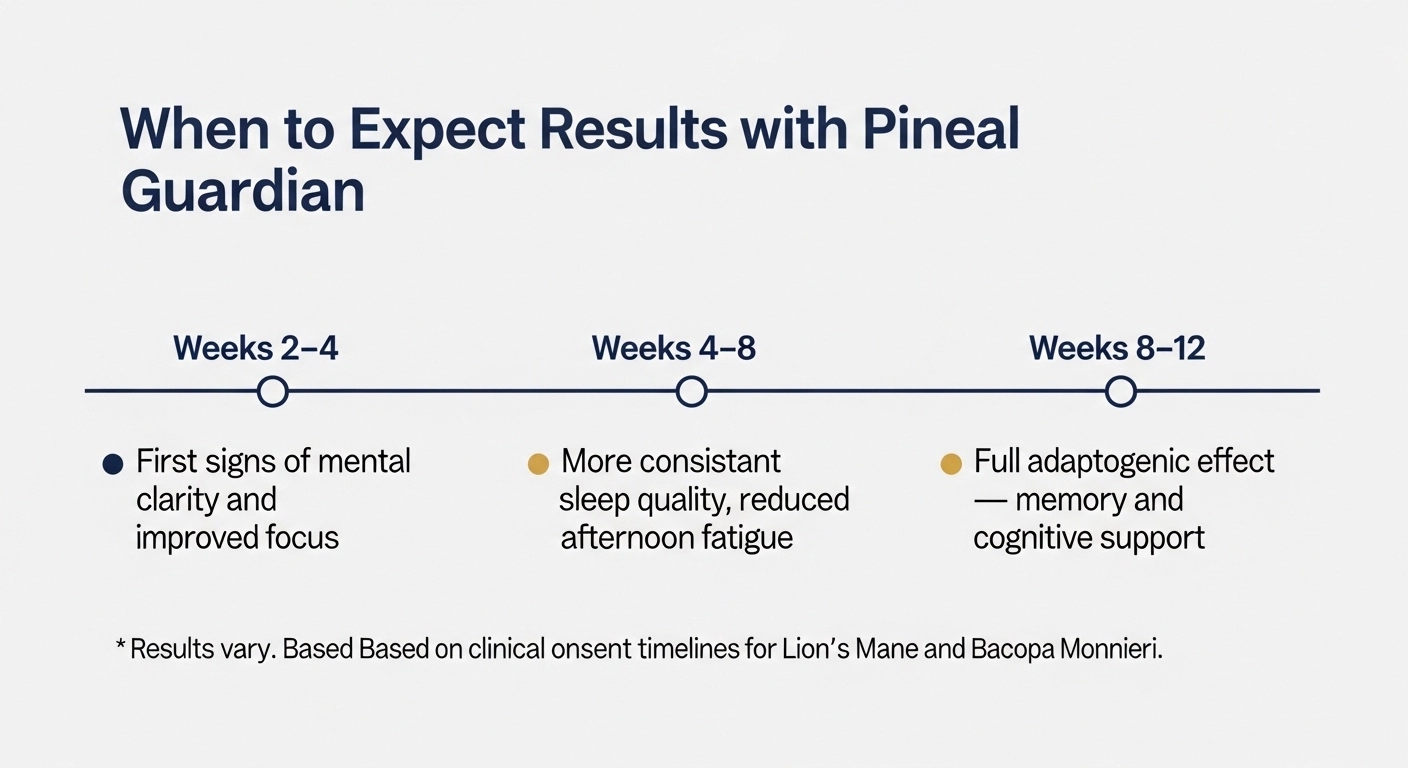
Weeks 1–2: Accumulation phase. The botanicals are building systemic levels. No visible effect during this window is not a failure signal — it’s the pharmacokinetics of plant-based compounds.
Weeks 3–4: Early responders typically report the first changes here. Improved sleep quality and reduced afternoon fatigue are the most commonly noted signals — not sudden cognitive breakthroughs.
Weeks 8–12: This is where the outcome data from both Bacopa and Lion’s Mane sits. The cognitive improvements measured in the RCTs cited above were captured at these timepoints, not earlier.
The 365-day guarantee exists precisely for this reason — enough time to run the trial the science actually requires, not a 2-week experiment.
Some ingredients in this formula have real evidence behind them. The product itself does not have a clinical trial. Those are different questions — and conflating them is how supplement marketing works.
The formula is plausible. The dose problem makes it impossible to confirm.
Lion’s Mane, Bacopa, Pine Bark, and Ginkgo all have human trial data for cognitive benefits — at specific doses, over specific timeframes. If Pineal Guardian delivers those ingredients at clinically relevant amounts, there’s a reasonable case for improvement over 8–12 weeks. Without dose disclosure, that “if” is load-bearing.

The decalcification claim is the weakest link. Pineal calcification increases with age — absent in 0–25 year olds, present in 14% of 46–65 year olds (PMC8071372, PMID 36879256). Zero published studies test whether any oral supplement reverses that process. The claim runs ahead of what the science supports by a significant margin. Understanding what pineal calcification actually looks like clinically matters before evaluating any product making this claim.
Both products target the same general audience. The ingredient philosophies differ substantially.
| Feature | Pineal Guardian | Pineal XT |
|---|---|---|
| Format | Liquid dropper | Capsules |
| Key Ingredients | Lion’s Mane, Bacopa, Pine Bark, Ginkgo | Iodine, Seaweed, Shilajit, Chaga |
| Primary Focus | Memory, cognitive clarity | Detox, energy, spiritual activation |
| Price | ~$49/bottle | ~$49/bottle |
| Guarantee | 365 days | 365 days |
| Cognitive Evidence | Stronger (RCT data) | More limited |
If your primary goal is cognitive support grounded in human trial data, Pineal Guardian has the stronger evidence base. If your focus is detoxification, energy, or spiritual framing, Pineal XT is more aligned with that positioning. You can read our full Pineal XT review to compare both formulas directly. For those comparing Guardian to Pineal Awakening’s adaptogen approach, the distinction is between cognitive nootropics versus mineral-transport mechanisms via shilajit.
Most likely to benefit:
Less likely to benefit — or should avoid:

| Package | Price | Per Bottle |
|---|---|---|
| 1 Bottle (30-day) | ~$49 | $49 |
| 3 Bottles (90-day) | ~$117 | $39 |
| 6 Bottles (180-day) | ~$198 | $33 |
Given that the evidence-backed timeline for Bacopa and Lion’s Mane is 8–12 weeks, the 3-bottle package is the most rational entry point for anyone serious about running an actual trial. Most buyers in this category reach for the 6-bottle package because the per-unit cost is lowest — I’d push back on that slightly. If you don’t know yet whether this formula works for you, committing to 180 days upfront isn’t rational optimization. It’s expensive hope. Start with three bottles.
Pineal Guardian is available only through the official website. Amazon and third-party retail listings are not authorized. Purchasing through unauthorized channels voids the 365-day guarantee.
→ Check current pricing and availability

Here’s where I land after working through the data:
IF you’re already doing the basics — consistent sleep, regular movement, a reasonable diet — AND you can commit to 8–12 weeks of daily use without expecting miracles in week two, THEN Pineal Guardian is a coherent, low-risk choice for a botanical cognitive support stack.

Marcus's Verdict
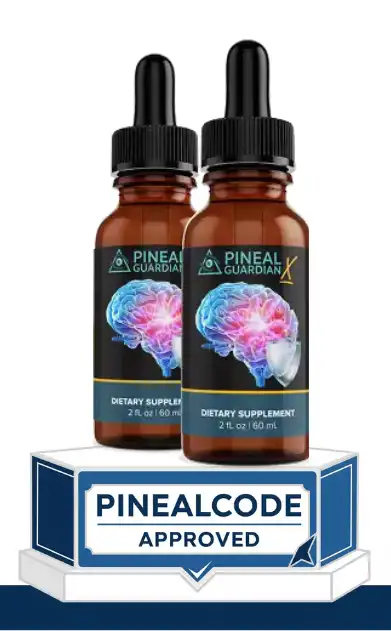
Pineal Guardian
A legitimate botanical formula with three genuinely researched cognitive ingredients — Lion's Mane, Bacopa Monnieri, and Pine Bark Extract. The proprietary blend is the main limitation: without dose disclosure, you can't confirm clinically relevant amounts. The 365-day guarantee makes it a low-risk trial for anyone already doing the basics who wants a plant-based next step.
Affiliate disclosure: we may earn a commission at no extra cost to you.
Marcus Hale is an independent researcher and former clinical neuroscientist. The content on PinealCode.com is for informational purposes only and does not constitute medical advice. This review contains affiliate links — if you purchase through them, I may earn a commission at no extra cost to you.
Pycnogenol® backed by 39 RCTs. Bacopa by 9. But the 'pineal detox' claims? Zero human trials. Full ingredient breakdown and honest verdict...

Pineal Guardian wins on evidence quality (39 RCTs behind Pine Bark). Pineal XT targets fluoride via iodine. Full ingredient breakdown and...

9 botanicals, 7 with documented mechanisms — but Lion's Mane needs 3,000 mg/day. Full Pineal Guardian ingredient analysis: what works,...

Marcus Hale
Independent Researcher · Former Clinical Neuroscientist
I spent 12 years in clinical neurology before the questions got more interesting than the answers. PinealCode is where I document what I find at the intersection of brain science and consciousness.