
7 min read
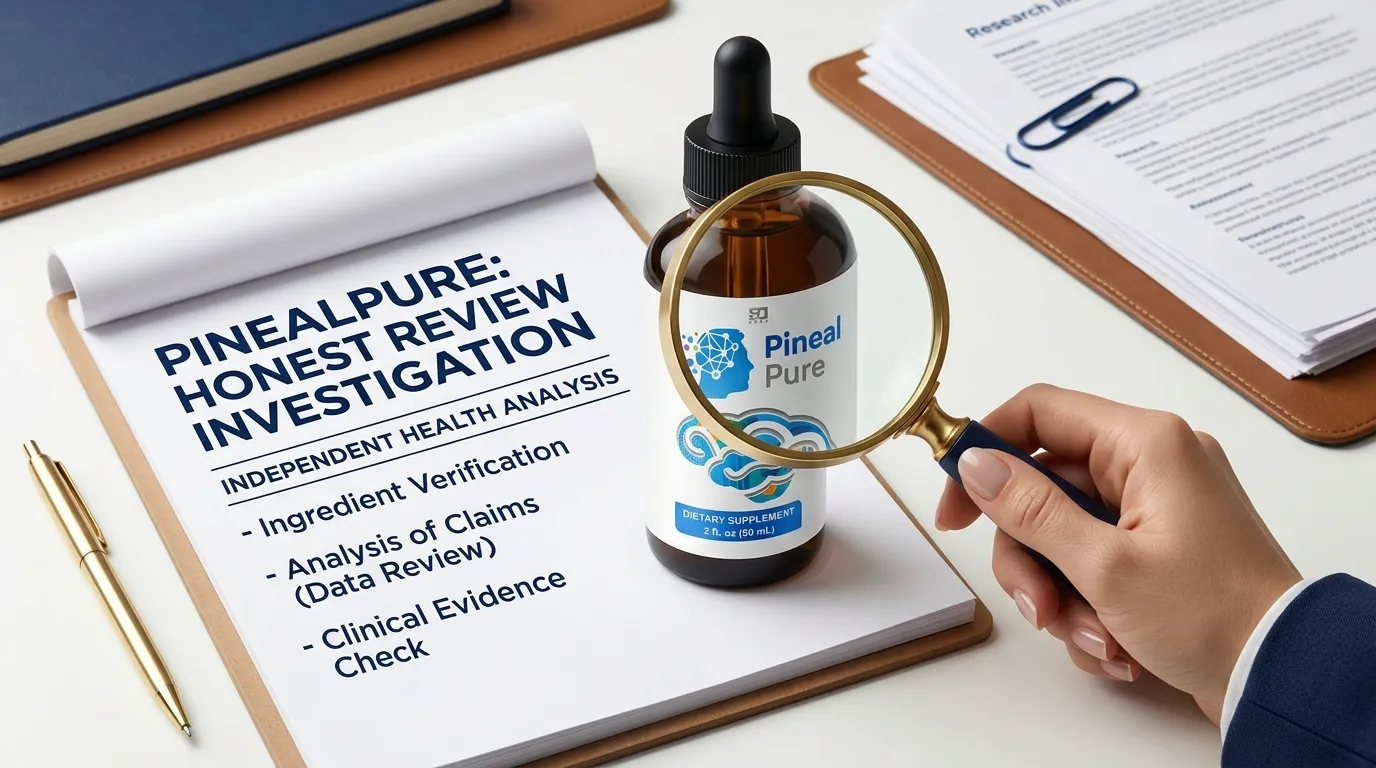
Is PinealPure a Scam? 39 RCTs Later, Here's the Real Verdict
Pycnogenol® backed by 39 RCTs. Bacopa by 9. But the 'pineal detox' claims? Zero human trials. Full ingredient breakdown and honest verdict...
April 16, 2026
Read →

Here’s a question nobody in the supplement aisle can actually answer: if you can’t measure whether your pineal gland is calcified more or less than six months ago, how do you know if anything is working?
That tension — between the real biochemistry of pineal calcification and the marketing noise surrounding it — is exactly why I wrote this. The best supplement to decalcify your pineal gland isn’t whichever one has the most dramatic before/after testimonials. It’s the one with a plausible mechanism, a reasonable dose, and honest expectations attached.
We’ll get to specific products. But first, let’s establish what the science actually supports — because the gap between “this mineral affects calcium metabolism” and “this will dissolve your pineal calcification in 30 days” is a gap most brands hope you won’t notice.
If you’re starting from scratch, check out How to Decalcify Your Pineal Gland Naturally before going further. It covers the lifestyle changes no supplement can replace.
More than half of adults are walking around with a calcified pineal gland. That’s not speculation — that’s a 2023 meta-analysis by Belay et al. published in Systematic Reviews, which pooled data across studies and found calcification prevalence at 61.65% in adults (95% CI: 52.81–70.49%), increasing with age, more common in males and in individuals of white ethnicity.

Pineal gland calcification affects approximately 61.65% of adults according to a 2023 Systematic Reviews meta-analysis by Belay et al. — rising with age and concentrated in calcium, phosphorus, magnesium, and strontium deposits that accumulate progressively over a lifetime.
Diet alone doesn’t solve this. Dietary changes can’t deliver the concentrated, consistent mineral doses relevant to calcium regulation and fluoride excretion. That’s where supplementation earns its place. Not as a shortcut. As a precision tool.
What we’re targeting biochemically: sodium fluoride hydroxyapatite crystal formation — the actual mineral structure in calcified pineal tissue — and the mechanisms that either accelerate or interrupt it. Understanding how fluoride accumulates in the pineal gland is the foundation before choosing any supplement.
Yes — and the mechanism is direct. Research shows that magnesium inhibits hydroxyapatite formation in soft tissue — the same crystal structure found in calcified pineal deposits — by competing with calcium at the cellular level. Calcification studies that identify pineal deposits also note magnesium’s presence within those deposits, which tells us magnesium is part of the underlying mineral chemistry, not just a bystander.
Correlation isn’t causation. That magnesium shows up in calcification deposits doesn’t prove supplementation reverses them. What it does suggest is that magnesium status shapes the biochemical environment where calcification either accelerates or slows.
Magnesium glycinate is the form that gets recommended for sleep and nervous system support — which matters here because the pineal gland’s primary documented function is melatonin synthesis. Better magnesium status, better melatonin regulation, better sleep. That chain holds up. And 400mg glycinate at night is consistent with what clinical trials actually use — not the magnesium oxide dose that will have you regretting breakfast.
If you’re specifically targeting the nighttime window for pineal support, see the Pineal Gland Decalcification at Night protocol — it pairs magnesium timing with the glymphatic system’s natural clearance cycle.
Awaken XT includes magnesium as part of its formula — worth checking if you want a consolidated stack rather than sourcing individual minerals.

Yes, though the mechanism runs through fluoride displacement rather than direct calcium removal. Iodine competes with fluoride for uptake in iodine-dependent tissues. When fluoride wins that competition — as Jennifer Luke’s 1997 University of Surrey research found it does in the pineal specifically — melatonin output drops. Adequate iodine status shifts that competition back.
The direct evidence is limited in important ways. Luke’s research used gerbils. Nobody has run a randomized trial in which iodine supplementation measurably reduced pineal fluoride burden via imaging. That study doesn’t exist.
What does exist: evidence that iodine supports fluoride excretion indirectly through the thyroid-pineal axis, and that iodine deficiency makes fluoride’s effects on those tissues significantly worse. The full picture of how fluoride intersects with pineal tissue is covered in the Fluoride and Pineal Gland article — worth reading before committing to a high-dose iodine approach.
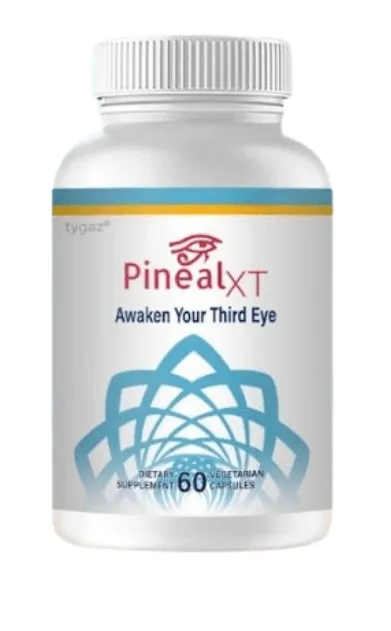
Kelp-derived iodine at physiological doses (150–300mcg daily) is where the safety profile is clearest. Pineal XT uses iodine as a central ingredient — one of the more scientifically defensible choices in this space.
Don’t chase Lugol’s at high doses based on forum advice. The thyroid does not forgive overcorrection.
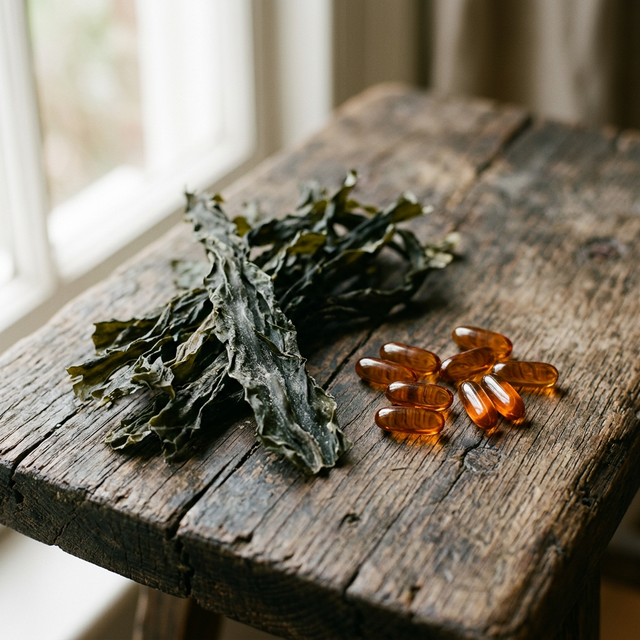
Shilajit is the one I almost wrote off too quickly. I was prepared to say the evidence is too thin to take seriously — and then I kept reading.
The evidence is still thin. But the mechanism being proposed is at least biochemically coherent, which is more than most products in this category can claim. Fulvic acid — the active component — can chelate heavy metals and facilitate mineral transport across cellular membranes, according to a 2012 paper by Carrasco-Gallardo et al. in PMC. The extension to pineal calcification goes like this: if fulvic acid mobilizes certain mineral deposits, it might disrupt hydroxyapatite crystal formation in soft tissue.
That’s a theoretical extension. Not a clinical finding.
No study has run CT or MRI scans before and after shilajit supplementation and measured a change in pineal calcification. That’s the work that needs to happen. At 300–500mg daily it appears safe, the antioxidant and cognitive effects are documented, and centuries of Ayurvedic use carry at least the weight of sustained human experimentation under real-world conditions.
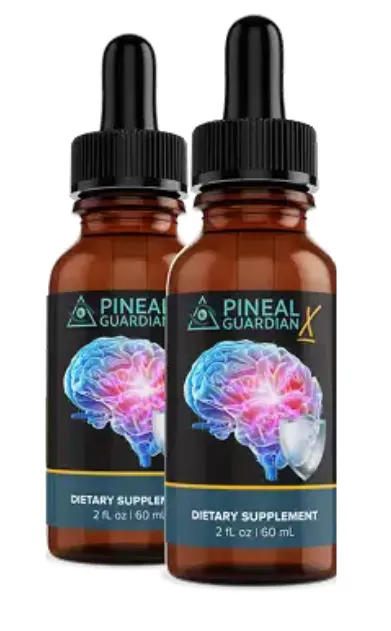
Pineal Guardian incorporates shilajit-adjacent compounds. If the fulvic acid pathway is what you’re most interested in, that’s the closest product to it.

Here’s where the actual product decision happens. I’ve looked at the ingredient lists, the doses, and the user feedback patterns from verified reviews. Honest version:
| Supplement | Key Ingredients | Price Range | Link |
|---|---|---|---|
| Pineal Guardian | Chlorella, Ginkgo, Lion’s Mane, Bacopa, Spirulina | $$$ | View |
| Pineal XT | Iodine, Chlorella, Turmeric, Amla | $$ | View |
| Awaken XT | Magnesium, adaptogenic stack | $$ | View |
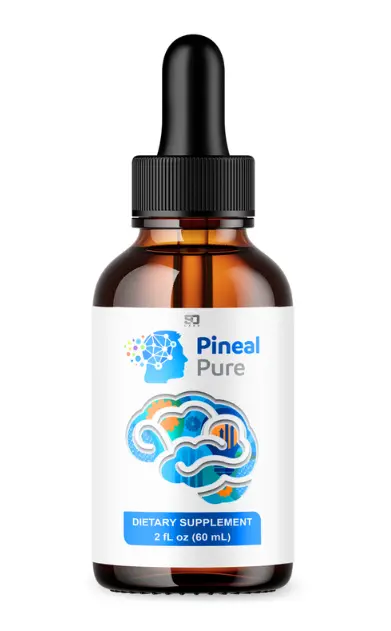
| PinealPure | Boron, K2, Iodine blend | $$ | View |
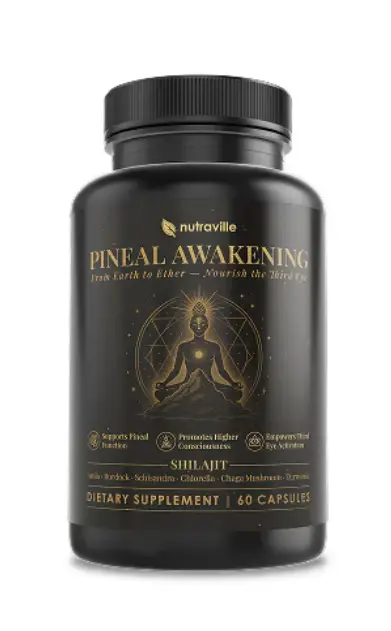
| Pineal Awakening | Herbal/mineral blend | $ | View |
| Criteria | Guardian | XT | Awaken XT | PinealPure | Awakening |
|---|---|---|---|---|---|
| Bioavailability | ★★★★★ | ★★★★☆ | ★★★☆☆ | ★★★☆☆ | ★★★★☆ |
| Evidence Base | ★★★★☆ | ★★★★☆ | ★★★☆☆ | ★★★☆☆ | ★★★★☆ |
| Dose Transparency | ★★★★☆ | ★★★★☆ | ★★★☆☆ | ★★☆☆☆ | ★★★☆☆ |
| Price/Value | ★★★★☆ | ★★★★☆ | ★★★★☆ | ★★☆☆☆ | ★★★★☆ |
| Guarantee | ★★★★★ | ★★★★☆ | ★★★☆☆ | ★★☆☆☆ | ★★★★☆ |
■ VISUAL COMPARISON
Pineal Guardian is the top pick for one reason: ingredient density. Chlorella for heavy metal binding, ginkgo and lion's mane for cognitive support, bacopa for neuroplasticity.
The complaint pattern in reviews is consistent — effects are slow, typically 4+ weeks before noticeable changes in sleep quality and mental clarity. That timeline is actually reasonable for mineral-based interventions. The frustration is understandable. But four weeks is not a failure mode; it's how minerals work.
Pineal XT leads with iodine, giving it the strongest mechanistic case for fluoride-related concerns. Turmeric and amla add anti-inflammatory and antioxidant support.
Some users report initial digestive adjustment with chlorella — common, and it typically resolves within a week.
Pineal Awakening is a balanced herbal and mineral blend designed for those just starting their decalcification journey. It offers a gentle introduction without overwhelming the system.
Awaken XT is the magnesium-forward option. Best for people whose primary complaint is disrupted sleep rather than cognitive fog.
PinealPure stacks boron and K2 alongside iodine — which maps most closely to the "remove fluoride + redirect calcium" protocol.
Yes, there's a supplement for everything. There's always a supplement for that. What separates these from the bottom of the category is that their ingredient choices at least point at real mechanisms, even if the clinical evidence for pineal-specific effects remains thin.
Boron is the most direct answer. But here’s the opinion that will get me unfollowed by half the third-eye community: the fluoride obsession might be overstated. Pineal calcification occurs in populations with minimal fluoride exposure too. Blaming fluoride entirely lets aging, calcium dysregulation, and chronic magnesium deficiency off the hook — and those factors may be doing more work than the fluoride narrative suggests.
That said, the fluoride-boron mechanism is real. Research by Zhou et al. (1987) and Elsair et al. (1980–1981) found boron chelates fluoride and increases its excretion via kidneys and the gastrointestinal tract, improving fluorosis symptoms 50–80% over roughly three months in human subjects. For a deeper look at the fluoride-calcification link, the garlic and pineal gland decalcification article covers complimentary natural compounds that work alongside boron.
The scope caveat: those studies addressed skeletal fluorosis, not pineal-specific fluoride burden. Plausible extension. Not confirmed in pineal tissue.
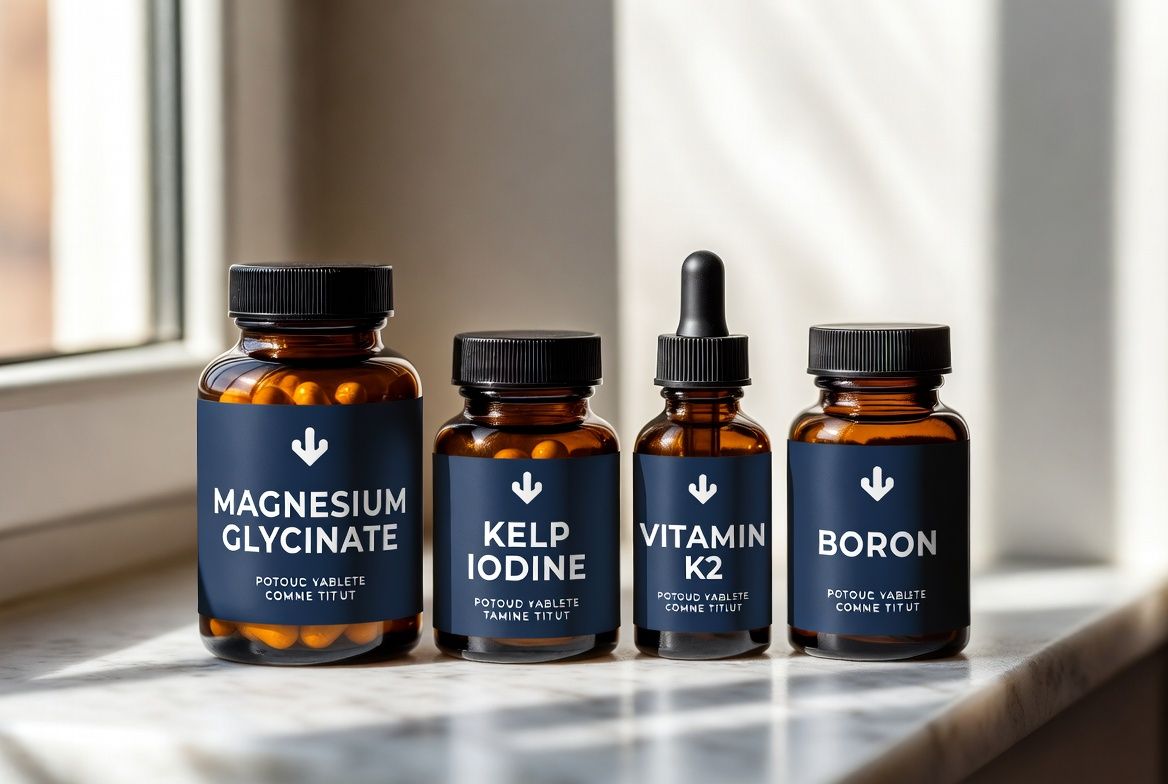
Vitamin K2 addresses a different side of the equation entirely — calcium direction, not fluoride removal. K2 activates proteins that move calcium toward bone and away from soft tissue deposits, through carboxylation of matrix Gla protein (MGP). If the goal is covering both pathways, the stack looks like this:
Run this for three months minimum before evaluating. And consult your doctor before starting any mineral protocol — particularly if you’re on blood thinners (K2 interacts) or managing a thyroid condition (iodine matters more there than most people realize).
Partially. That’s the honest answer, and the word “partially” is doing real work there.
Magnesium, iodine, boron, and K2 each have documented roles in calcium metabolism and fluoride excretion throughout the body. Extrapolating to pineal-specific decalcification is scientifically reasonable. It is not scientifically confirmed. Richard Feynman had a phrase for fields where the rituals of science exist without the actual testing: “cargo cult science.” Parts of the pineal supplement space qualify. The mechanisms are cited, the studies are referenced, but the central experiment — does this measurably reduce calcification in human pineal tissue — has never been run.
Nobody has funded that study. It’s not on any research horizon I’m aware of.
What user feedback does show — consistently, across Reddit threads and Trustpilot reviews — is that people on these stacks report better sleep onset, improved dream recall, and sharper morning clarity. Those are downstream signals of melatonin regulation. They’re real even when the underlying structural change isn’t scannable.
That’s not nothing. It’s also not the full claim being made.

The best supplement to decalcify your pineal gland is the one that addresses your specific bottleneck. High-fluoride water area? The iodine-boron combination deserves priority. Primary symptom is poor sleep? Start with magnesium and build from there. Want a single-product approach with cognitive support built in —
Pineal Guardian is the most complete formula available right now.
None of this replaces filtering your water, fixing your sleep schedule, or reducing the environmental exposures that drive calcification in the first place. For a complete protocol view, see How to Decalcify Your Pineal Gland Naturally — it lays out the full lifestyle foundation no supplement can replace.
If you’re evaluating individual products, the Pineal Awakening Review and PinealPure Review go deep on two of the most frequently compared options in this category.
But if you want a biochemical foundation to work from — not a miracle, just a reasonable intervention grounded in plausible mechanisms — the stack above is where I’d start. Start with sleep. The rest follows.
Marcus Hale is an independent researcher and former clinical neuroscientist. The content on PinealCode.com is for informational purposes only and does not constitute medical advice.
Pycnogenol® backed by 39 RCTs. Bacopa by 9. But the 'pineal detox' claims? Zero human trials. Full ingredient breakdown and honest verdict...
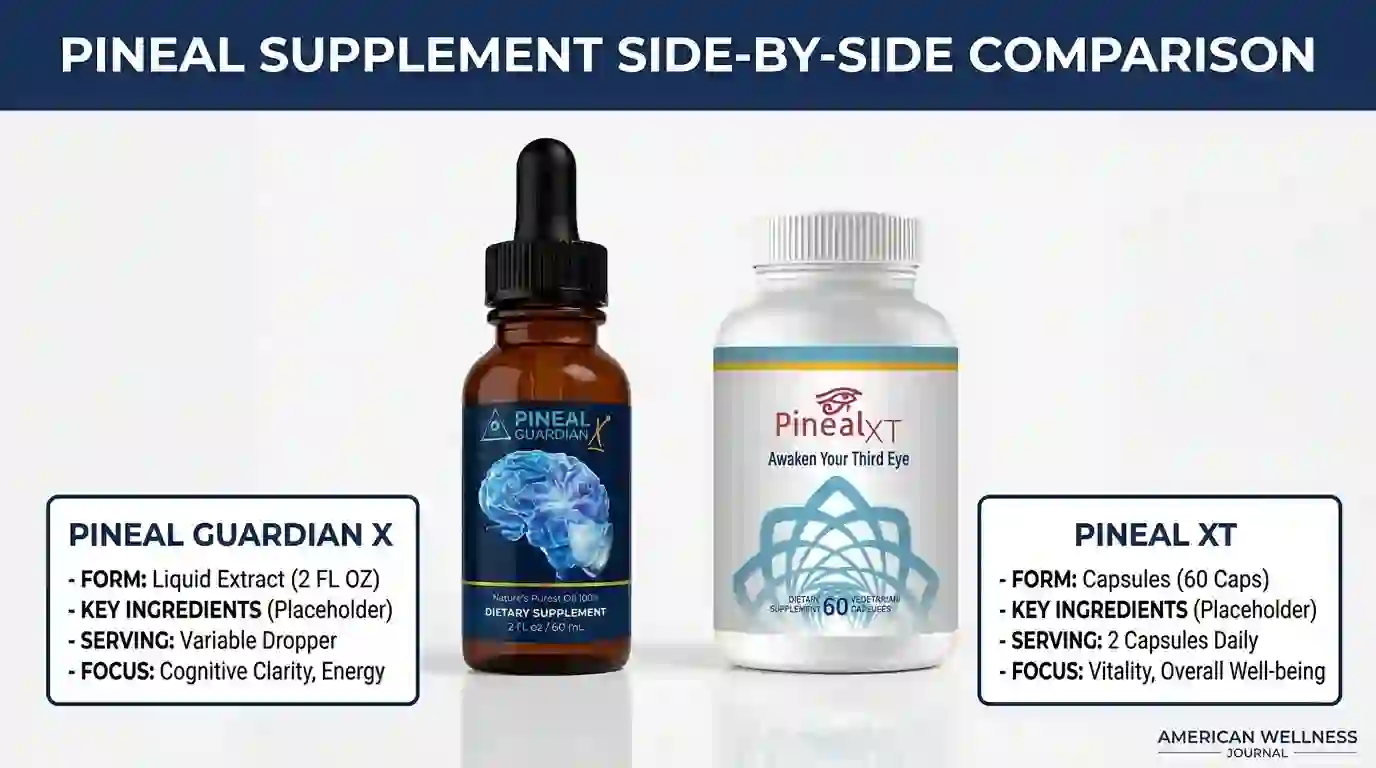
Pineal Guardian wins on evidence quality (39 RCTs behind Pine Bark). Pineal XT targets fluoride via iodine. Full ingredient breakdown and...

9 botanicals, 7 with documented mechanisms — but Lion's Mane needs 3,000 mg/day. Full Pineal Guardian ingredient analysis: what works,...

Marcus Hale
Independent Researcher · Former Clinical Neuroscientist
I spent 12 years in clinical neurology before the questions got more interesting than the answers. PinealCode is where I document what I find at the intersection of brain science and consciousness.