7 min read
Is PinealPure a Scam? 39 RCTs Later, Here's the Real Verdict
Pycnogenol® backed by 39 RCTs. Bacopa by 9. But the 'pineal detox' claims? Zero human trials. Full ingredient breakdown and honest verdict...
April 16, 2026
Read →
Brain fog isn’t just annoying. It’s the sensation of being trapped behind glass — your thoughts move, but not quite fast enough. Sleep quality tanks. Morning clarity vanishes. You’re present but somehow absent.
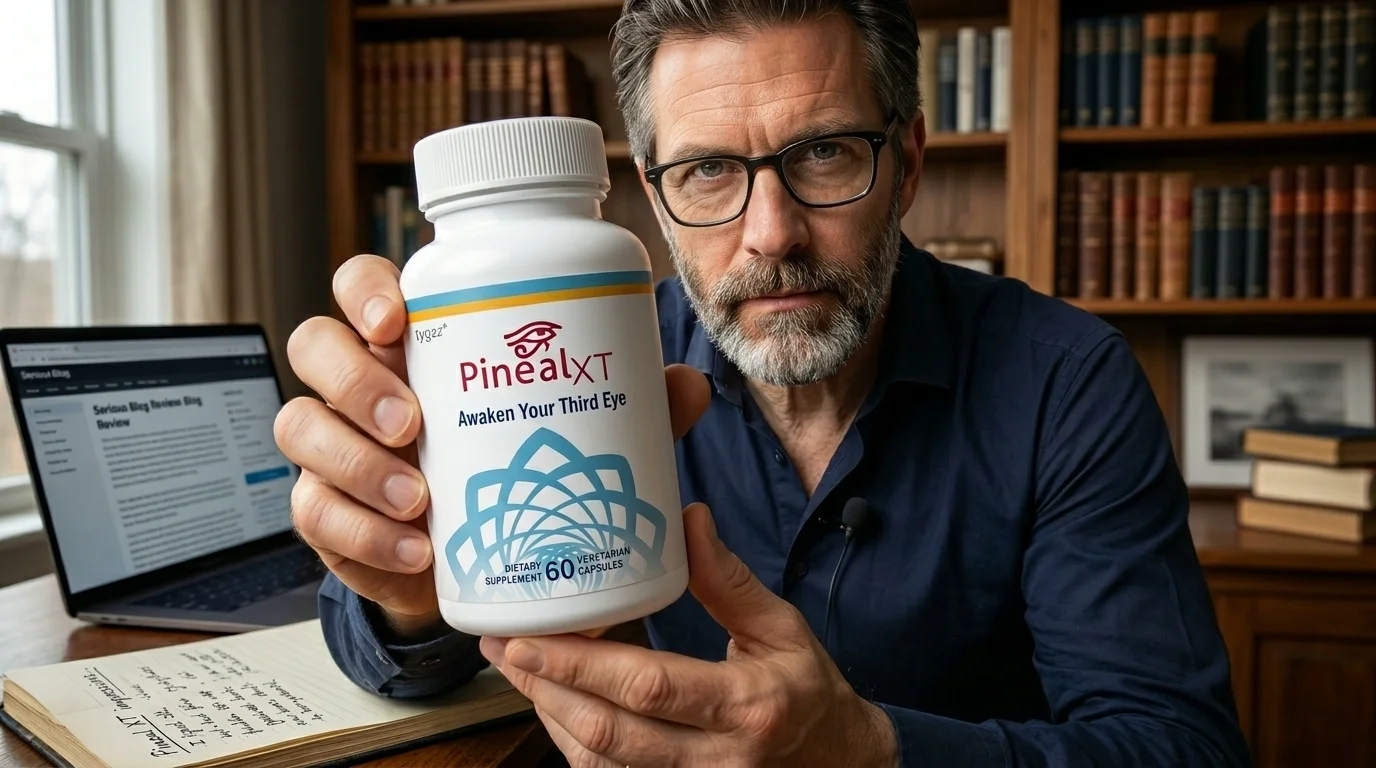
Pineal XT is one of the more heavily marketed supplements in this space. Claims about pineal gland activation, decalcification, and manifesting abilities are everywhere — the kind of language that sounds scientific until you look for the studies and find none. So I looked at every ingredient. Read the research. Checked the manufacturing claims.
This Pineal XT review covers what you need to know if you want to understand whether this supplement has legitimate value or if you’re buying mythology wrapped in vegetarian capsules.
Quick Verdict — Pineal XT
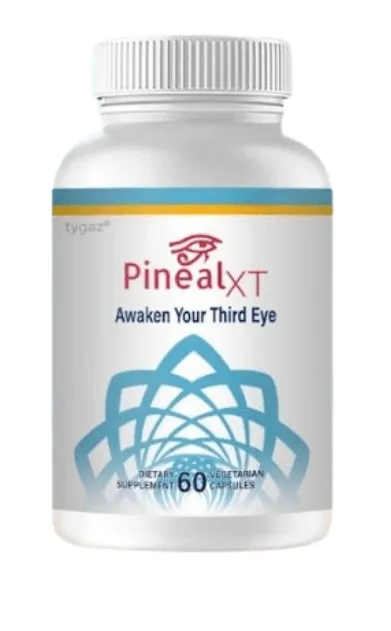
A legitimate adaptogenic formula with iodine and turmeric as its strongest ingredients. Proprietary blend hides doses. The manifesting claims are marketing. The 365-day guarantee makes it a low-risk trial for sleep and stress support.

Pineal XT is a two-capsule-per-day supplement marketed through ClickBank, typically priced around $59 for a single bottle. The 3-pack runs approximately $147 with free shipping; the 6-pack bottoms out around $174. The product comes with a 365-day refund guarantee.
Manufacturing claims check out: FDA-registered facility, GMP certified, non-GMO, gluten-free, vegetarian. These aren’t trivial markers. And the label shows seven active ingredients aimed at what the company calls pineal gland activation.
But here’s what matters immediately: no peer-reviewed research demonstrates that oral supplementation activates or decalcifies the pineal gland in humans. The central claim — that these capsules unlock psychic abilities or manifesting powers — sits entirely outside scientific territory.
The “manifesting” angle, by the way, is borrowed almost verbatim from the cultural moment around books like The Secret and its Netflix adaptation. It sells. It’s not science.
What the product CAN legitimately claim is support for sleep, stress reduction, and general cognitive wellness. Some ingredients carry real evidence for those outcomes. Others are closer to educated guessing. One of them — and I’ll get to this — might actually work for reasons completely unrelated to the pineal gland.
Pineal XT has reportedly been used by 160,000+ customers since launching around 2023. Trustpilot ratings sit at 2.8 out of 5. I’ll be direct: that number surprised me. A 2.8 is low even by supplement industry standards. Users expecting spiritual results report disappointment. Users with realistic expectations about sleep and stress report gradual improvement. The gap between those two groups is doing a lot of work here.
Proprietary blends are a problem. You get seven ingredients listed; you don’t get effective doses for most of them. Dose matters — a lot. I’m evaluating what these ingredients do at evidence-based doses, then asking whether Pineal XT likely delivers them.
Iodine
This is the ingredient I mentioned earlier. And here’s my honest take, which runs against everything the marketing wants you to believe: the best thing Pineal XT might be doing is simply correcting iodine deficiency in people who don’t realize they have it.
Well-documented thyroid support across multiple randomized controlled trials. The RDA sits at 150 micrograms daily; the upper limit is 1,100 micrograms. Most Americans get enough through iodized salt, but inland populations — and anyone who’s shifted to unprocessed sea salt without iodine supplementation — sometimes run deficient without knowing it.
The connection is indirect but mechanistically real: thyroid dysfunction directly affects circadian rhythm regulation and melatonin production, meaning iodine repletion in deficient individuals can restore the endocrine coordination that governs sleep quality. No human research proves iodine decalcifies the pineal gland — but if your thyroid is struggling and you don’t know it, fixing that could feel like cognitive clarity returning. Nothing mystical about it. Just endocrinology.
Turmeric (Curcumin)
Multiple RCTs confirm anti-inflammatory effects, joint pain reduction, and neuroprotection. Effective dose: 500 to 2,000 milligrams daily with piperine for absorption. Curcumin crosses the blood-brain barrier, accumulating in neural tissue and demonstrating neuroprotective effects through reduction of oxidative damage and inflammation — the mechanistic basis for its inclusion in cognitive wellness formulas.
The limitation: Pineal XT doesn’t disclose the exact dose. Everything sits in a proprietary blend. But the ingredient itself carries real mechanistic support for neuroprotection — independent of any pineal-specific claim.
Chlorella
Some human and animal studies support Chlorella’s role in heavy metal chelation, with research showing significant reductions in lead accumulation in blood and key organs — though effective detoxification doses typically run 3 to 10 grams daily, likely exceeding what two capsules deliver. Pre-clinical data suggests gut-brain axis effects that could support cognitive function indirectly.
Not a scam ingredient. Possibly underdosed for the claimed mechanism. The difference matters.
Schisandra
Research on Schisandra chinensis suggests it works primarily by balancing the HPA axis under prolonged stress, reducing cortisol and ACTH fluctuations — which explains the stress-reduction effects reported in adaptogenic studies, even if direct cognitive benefits in Western populations remain limited.
Chaga Mushroom
Animal and in vitro studies show beta-glucans and antioxidant activity. No robust human RCTs for cognition or pineal function. The ingredient isn’t dangerous — but claims exceed evidence.
Amla Fruit Extract (Indian Gooseberry)
Some RCTs for cardiovascular health and vitamin C delivery. Cognitive claims are extrapolated from antioxidant properties rather than direct human cognition studies. Effective cardiovascular dose: 500 to 1,000 milligrams. The leap from “antioxidant in vitro” to “pineal activation” is a big one.
Burdock Root
Traditional purification use. In vitro antioxidant data exists. No established effective dose from human RCTs. Weakest ingredient from an evidence standpoint — full stop.
→ View full ingredient breakdown and pricing
Two products dominate this category. They’re built on fundamentally different theory.
| Feature | Pineal XT | Pineal Guardian |
|---|---|---|
| Format | Capsules (2/day) | Liquid drops (1/day) |
| Key cognitive ingredients | Turmeric, Schisandra | Lion’s Mane, Bacopa, Pine Bark, Ginkgo |
| Adaptogenic focus | Yes (Schisandra, Chaga) | No |
| Strongest evidence | Iodine (thyroid), Turmeric (inflammation) | Lion’s Mane (MCI), Bacopa (memory) |
| Guarantee | 365 days | 365 days |
| Primary narrative | Detox + activation + manifesting | Cognitive support + decalcification |
| Best for | Sleep, stress, general wellness | Memory, focus, long-term cognition |
Pineal XT targets adaptogenic support and general wellness optimization. Pineal Guardian targets nootropic cognitive performance. Neither proves pineal decalcification — but Guardian at least includes ingredients with direct human cognitive research behind them.
Choose based on what you actually need. Sleep and stress: Pineal XT. Measurable cognitive improvement: Pineal Guardian. For a deeper look at the alternative, see our Pineal Guardian review.

No.
Not one randomized controlled trial proves oral supplementation activates or decalcifies the pineal gland in humans. Research on calcification of the pineal gland confirms it is a common anatomical finding used as a landmark on X-rays — not a pathological condition that oral supplements have been shown to reverse. The neuroimaging work on pineal function uses meditation, specific breathing protocols, and light exposure — not capsules. The “manifesting” claim exists nowhere in neuroscience literature. Nowhere.
Trustpilot data is instructive here. Users reporting disappointment almost uniformly expected spiritual or manifesting results. Users with realistic cognitive wellness expectations report different outcomes: improved sleep latency, slightly sharper morning clarity, reduced anxiety response. Modest gains. Not miracles.
The ingredients have real value for those outcomes. That value exists entirely independent of the pineal mythology. Strip the mythology, and you have a decent adaptogenic wellness formula. Add the mythology back in, and you have a supplement that will disappoint most of the people who buy it for the wrong reasons. If you want to understand what pineal calcification actually correlates with in the research, the pineal gland calcification symptoms guide is worth reading before you decide. And if you’re interested in what actually moves the needle for pineal function with real evidence, the answer is practices — not capsules.
Makes sense for:
Adults wanting adaptogenic support for stress and sleep quality. People who respond well to iodine and turmeric-based formulations. Anyone comfortable using the 365-day guarantee as genuine risk mitigation. People who prefer capsule format over liquid drops.
Doesn’t make sense for:
Anyone expecting pineal activation, manifesting abilities, or spiritual enhancement. Anyone needing clinically verified doses — the proprietary blend means dose opacity. People looking for the strongest nootropic evidence; Lion’s Mane and Bacopa aren’t here. Anyone expecting results in under four weeks.
Red flags:
Proprietary blend — doses undisclosed. Clone domains exist (pinialxt.com, pienalxt.com, etc.) — buy only through verified links. Marketing language about psychic abilities and manifesting. Trustpilot 2.8/5 — lower than category average.
Genuine positives:
365-day refund guarantee is real protection. FDA-registered, GMP-certified manufacturing. Iodine and turmeric carry legitimate supporting evidence. Non-GMO, gluten-free, vegetarian.

Pineal XT has two ingredients I’d genuinely consider: iodine and turmeric. If you’re iodine-deficient — and a surprising number of people are without knowing it — this formula might deliver real results for reasons the marketing won’t tell you about.
The manifesting claims are noise. The adaptogenic support underneath them isn’t. If sleep and stress are your actual goals, and you’re willing to use the 365-day guarantee as your safety net, it’s a reasonable trial.

Marcus's Verdict
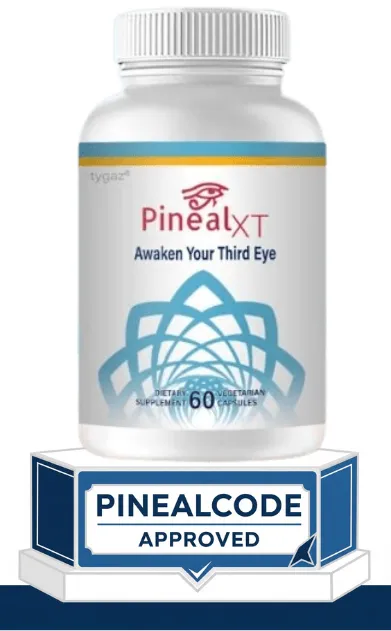
Pineal XT
A legitimate adaptogenic wellness formula sold with extraordinary claims it can't support. Iodine and turmeric carry real evidence — mostly for thyroid and inflammation, not pineal activation. If your goals are sleep quality and stress resilience, and you treat the 365-day guarantee as your safety net, it's a low-risk trial. If you're buying spiritual activation, you'll be disappointed.
Affiliate disclosure: we may earn a commission at no extra cost to you.
Single bottle: approximately $59 plus $19.95 shipping. Three-bottle bundle: approximately $147 with free shipping. Six-bottle bundle: approximately $174 with free shipping — the best per-unit value.
All purchases include the 365-day money-back guarantee. That’s your primary risk mitigation, and it’s genuinely generous.
The verified purchase link for PinealCode readers will be available shortly at /go/pineal-xt. In the meantime, you can visit the official Pineal XT website directly to check current pricing.
Marcus Hale is an independent researcher and former clinical neuroscientist. The content on PinealCode.com is for informational purposes only and does not constitute medical advice. This review contains affiliate links — if you purchase through them, I may earn a commission at no extra cost to you.
Pycnogenol® backed by 39 RCTs. Bacopa by 9. But the 'pineal detox' claims? Zero human trials. Full ingredient breakdown and honest verdict...
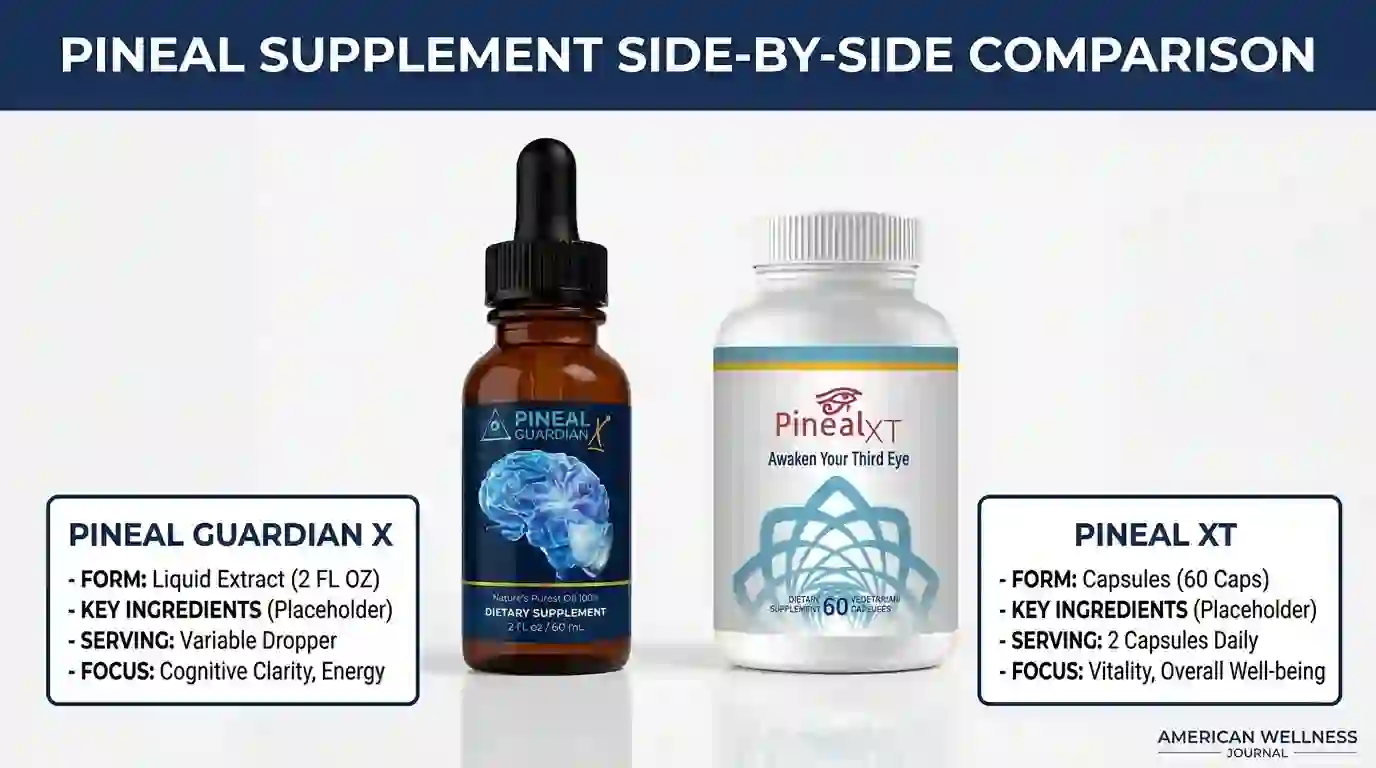
Pineal Guardian wins on evidence quality (39 RCTs behind Pine Bark). Pineal XT targets fluoride via iodine. Full ingredient breakdown and...
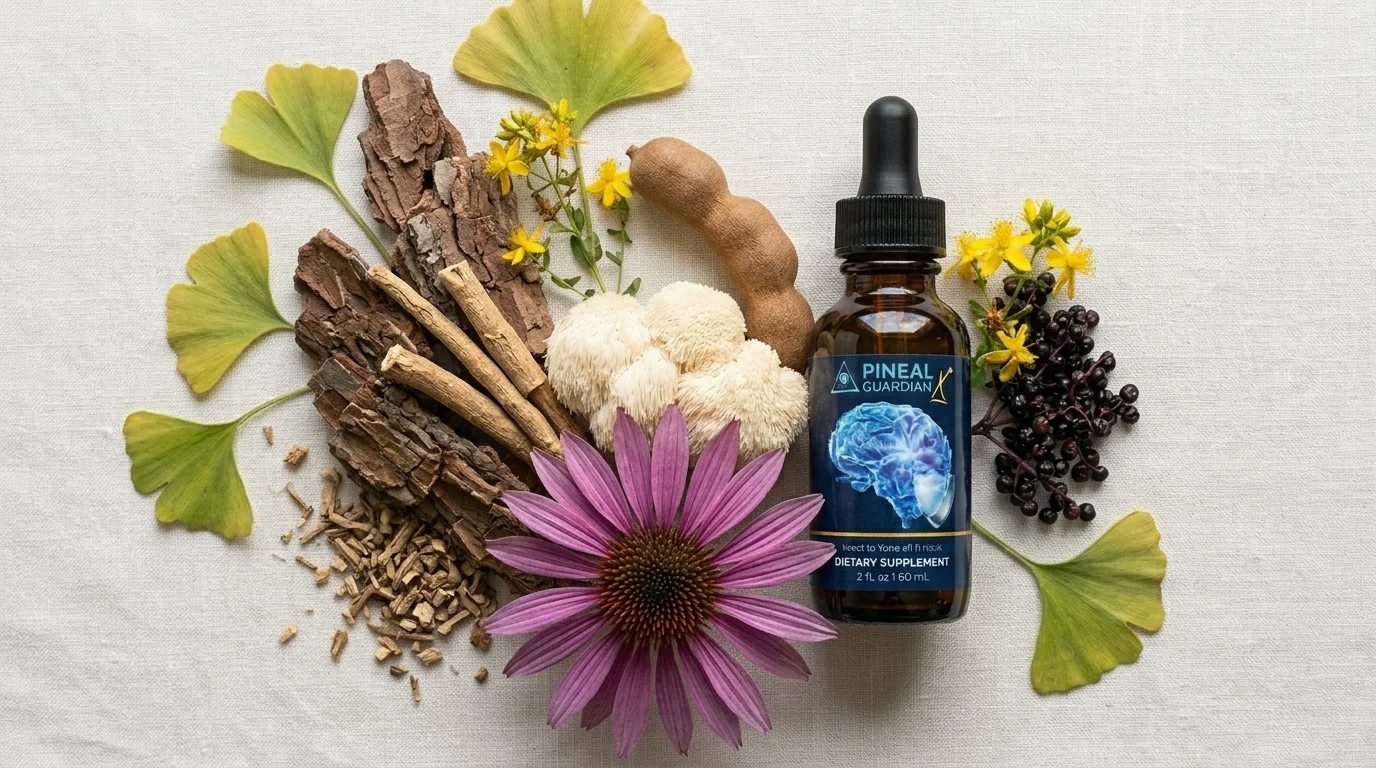
9 botanicals, 7 with documented mechanisms — but Lion's Mane needs 3,000 mg/day. Full Pineal Guardian ingredient analysis: what works,...

Marcus Hale
Independent Researcher · Former Clinical Neuroscientist
I spent 12 years in clinical neurology before the questions got more interesting than the answers. PinealCode is where I document what I find at the intersection of brain science and consciousness.