7 min read
Is PinealPure a Scam? 39 RCTs Later, Here's the Real Verdict
Pycnogenol® backed by 39 RCTs. Bacopa by 9. But the 'pineal detox' claims? Zero human trials. Full ingredient breakdown and honest verdict...
April 16, 2026
Read →
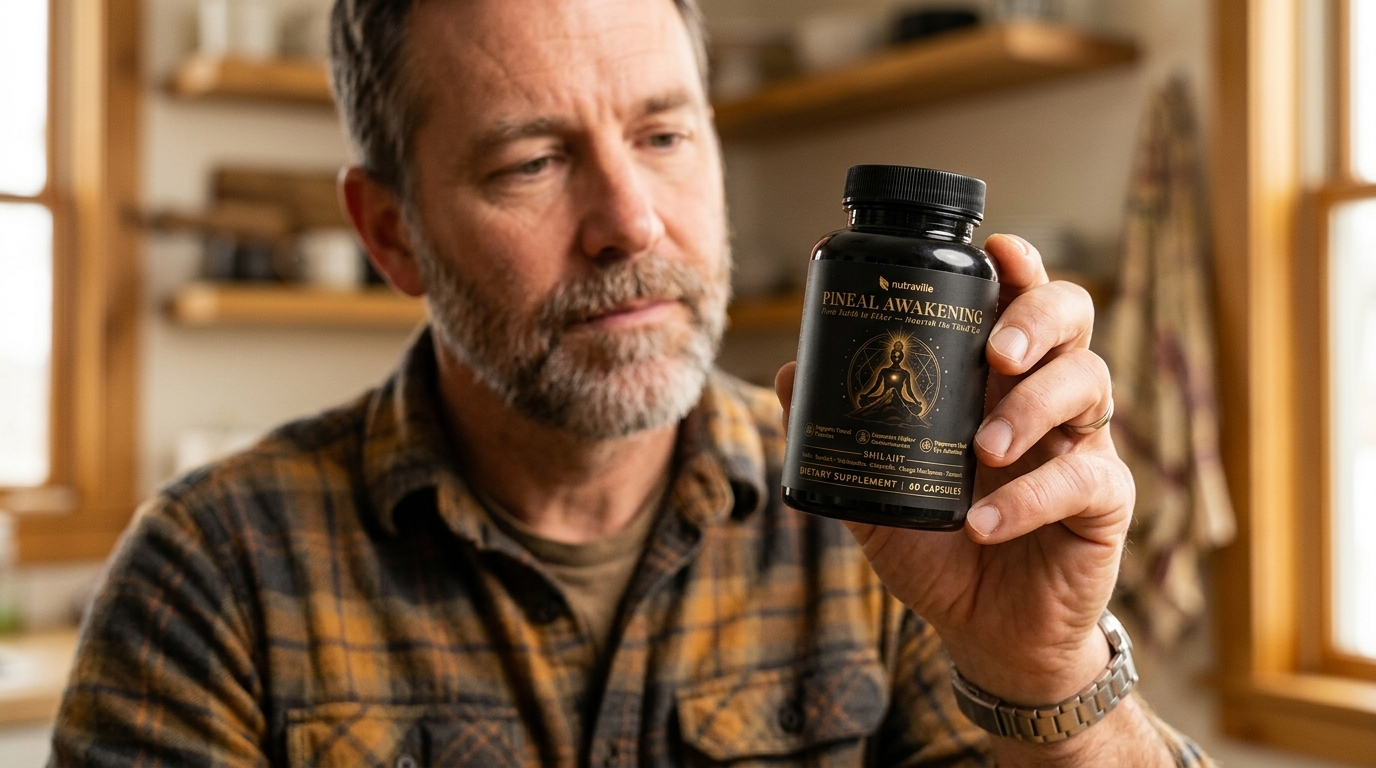
You’ve been waking up at 3 AM more often than you’d like to admit. The brain fog is real. And somewhere in your research, you stumbled onto Pineal Awakening—promising decalcification, mental clarity, maybe something you’d call spiritual reconnection.
I spent three weeks going through every ingredient in this formula, every published study I could locate, and enough user reports to identify actual patterns rather than cherry-picked testimonials. What I found wasn’t the transformational breakthrough the marketing suggests—but it’s a more defensible formula than I expected going in.
The short version is below. The full analysis starts after.
Marcus's Verdict
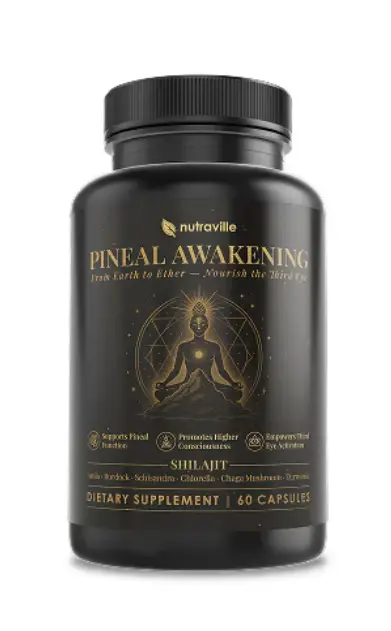
Pineal Awakening
Moderately positive — adaptogen stack with real mechanistic support. Proprietary blend limits dose verification. 365-day guarantee makes the trial low-risk.
Affiliate disclosure: we may earn a commission at no extra cost to you.

Pineal Awakening is not a scam. It’s manufactured in a GMP-certified, FDA-registered facility using documented natural compounds. The ingredients are real and have published research behind them—not all of it strong, but none of it fabricated.
Worth flagging before you buy: counterfeit versions circulate on Amazon, eBay, and gray-market sites. These fakes contain improper dosages or straight fillers. Several Reddit threads document zero-effect experiences that trace back to non-official purchases. This isn’t unique to this product—it’s a category-wide problem. It means the channel matters.
→ Buy only through the official website
Pineal Awakening contains five core ingredients in a proprietary blend: shilajit, chlorella, turmeric, chaga mushroom, and amla. The table below breaks down each ingredient by evidence strength, mechanism, and the dosing transparency problem.
| Ingredient | Evidence Level | Key Mechanism | Clinical Dose | In This Formula |
|---|---|---|---|---|
| Shilajit | ⭐⭐⭐ Strong | Fulvic acid mineral transport | 250-500mg purified | Unknown (blend) |
| Chlorella | ⭐⭐⭐ Strong | Heavy metal chelation | 3-5g/day | Unknown (blend) |
| Turmeric | ⭐⭐ Moderate | Anti-inflammatory, circadian support | 500mg + piperine | No piperine listed |
| Chaga | ⭐ Limited | Antioxidant (general) | Varies | Unknown (blend) |
| Amla | ⭐ Limited | Vitamin C, detox support | Varies | Unknown (blend) |
Evidence levels: Strong = human RCTs or documented mechanism | Moderate = animal studies + plausible theory | Limited = in vitro only or anecdotal
The two strongest ingredients—shilajit and chlorella—carry legitimate detox mechanisms relevant to pineal gland decalcification. Shilajit’s fulvic acid facilitates mineral transport across cell membranes, a function documented in multiple peer-reviewed studies. Chlorella’s polysaccharide cell wall binds mercury, lead, and cadmium in vitro—one of the few plant compounds with direct heavy metal chelation evidence.
The limitation: proprietary blending means you can’t verify whether any ingredient reaches its clinical threshold. A formula can contain the right ingredients and still fall short on dose. That’s the transparency gap here.
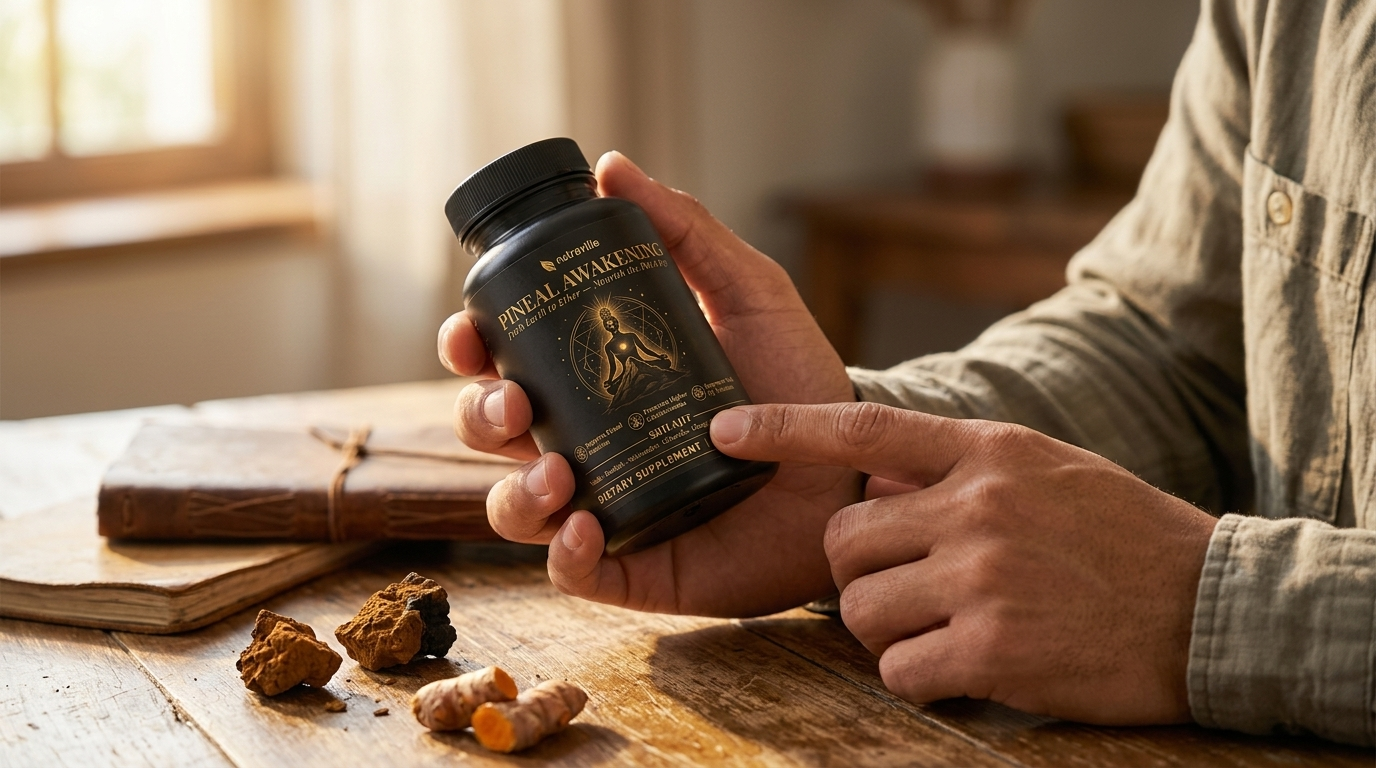
Pineal Awakening is a daily capsule supplement—two per day with water, preferably morning—targeting pineal gland health through a blend of adaptogens, antioxidants, and heavy metal chelators. The formula contains shilajit, amla, chaga mushroom, turmeric (curcumin), and chlorella in a proprietary blend.
Each bottle delivers a 30-day supply. Multi-bottle bundles reduce the per-bottle cost significantly—from $59/bottle down to $39/bottle on the 6-bottle package. The 365-day money-back guarantee is the longest in its product category by a substantial margin—most competitors offer 60 days.
The manufacturer positions it for people experiencing brain fog, disrupted sleep, and what they call “spiritual disconnection.” In practical terms: that’s the 35-55 demographic who eats reasonably well, practices some meditation, and suspects there’s a biochemical component to why they don’t feel as sharp as they did at 28. That positioning is accurate enough to be useful.
What Works:
What Doesn’t:
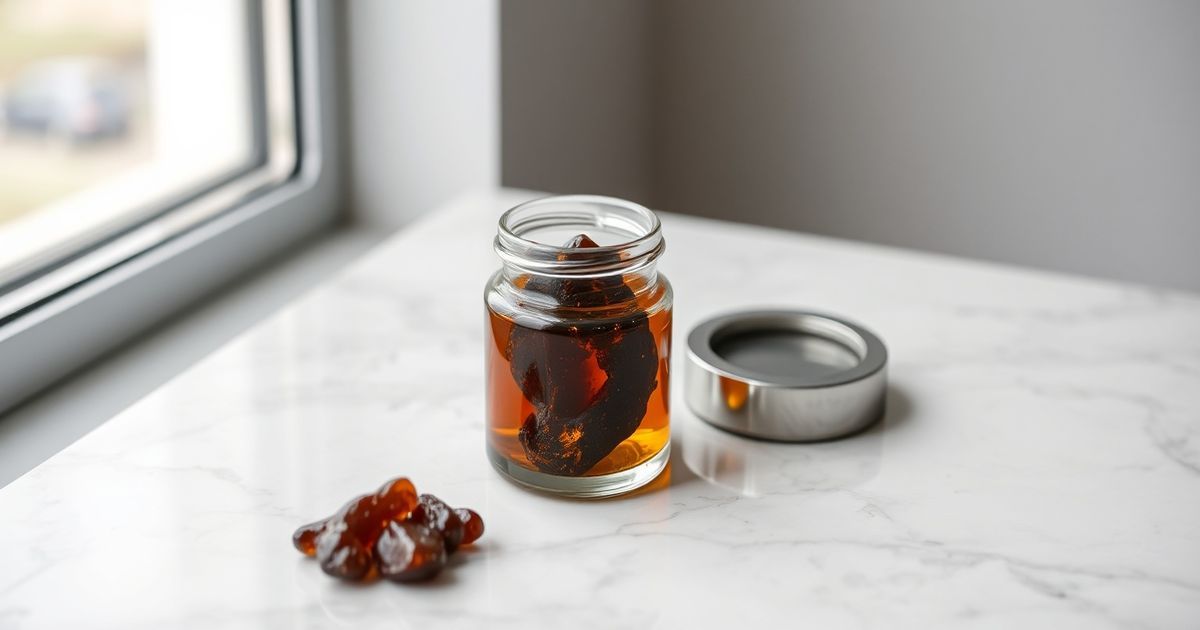
Shilajit
Himalayan mineral resin with high fulvic acid concentration. Fulvic acid’s mechanism is the interesting part: fulvic acid facilitates mineral transport across cell membranes, acting as a natural chelator and transporter for calcium, magnesium, and phosphorus — minerals directly involved in melatonin synthesis pathways. A 2023 review confirmed shilajit’s neuroprotective effects via antioxidant cascades.
Ibn Sina — the 11th-century physician whose Canon of Medicine shaped European medical training for six centuries — documented a compound he called mumie for neurological weakness, describing symptoms consistent with what we now associate with chronic mineral depletion. That’s shilajit. I mention this not as evidence. But it reframes the Ayurvedic framing that makes Western buyers reach for their skepticism: this isn’t a marketing invention with a Himalayan backdrop. It’s a compound with documented intentional use predating the supplement industry by a thousand years.
I went in treating shilajit as Ayurvedic marketing dressed up for Western supplement buyers. The fulvic acid mechanism changed that read. Not because it proves pineal activation—it doesn’t—but because the cellular mineral transport function is real and documented. That’s a meaningful distinction from ingredient categories that have no proposed mechanism at all.
Clinical dose: 250-500mg purified extract. Pineal Awakening’s proprietary blend makes individual dosing unverifiable—the honest answer is we don’t know if the amount crosses the therapeutic threshold.
Chlorella
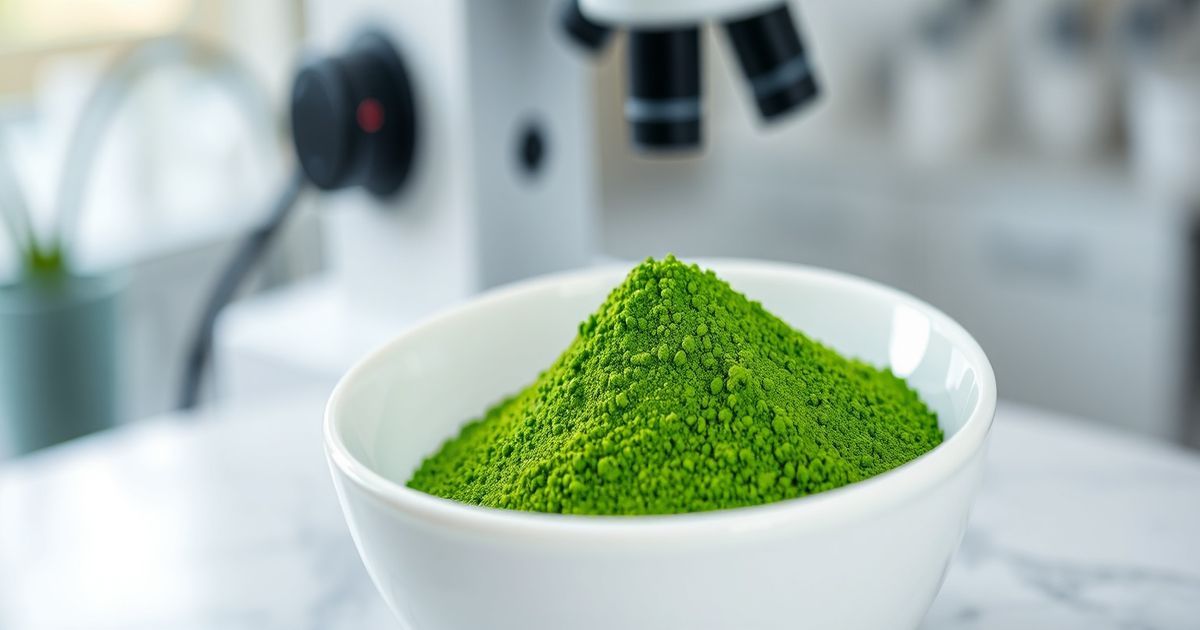
Chlorella’s polysaccharide cell wall adsorbs heavy metals including mercury, lead, and cadmium — making it one of the few plant-based compounds with documented heavy metal binding directly relevant to tissue detox.
| Metal | Common Source | Binding Mechanism | Clinical Dose Needed |
|---|---|---|---|
| Mercury (Hg) | Dental amalgam, fish | Polysaccharide adsorption | 3-5g/day |
| Lead (Pb) | Old paint, water pipes | Polysaccharide adsorption | 3-5g/day |
| Cadmium (Cd) | Cigarettes, contaminated soil | Polysaccharide adsorption | 3-5g/day |
Pineal Awakening dose: Unknown (proprietary blend) — likely falls short of clinical threshold
Plausibility: Partial contribution at sub-clinical doses is possible, but unverified
Clinical chelation studies use 3-5g daily. This formula almost certainly falls short of that range given the overall blend volume. Still—the mechanism is established, not hypothetical. Partial contribution at lower doses is plausible, especially as part of a broader heavy metal detox protocol.
Turmeric (Curcumin)
A 2007 study found curcumin modulates serotonin (5-HT) and 5-HIAA rhythms in the pineal gland under stress, with implications for circadian hormone function. Strong anti-inflammatory profile across multiple RCTs. Two honest limitations: the pineal data is rat-based, and curcumin requires piperine co-administration to reach meaningful bioavailability — which is not listed in this formula, and that’s a real gap. Curcumin without a bioavailability enhancer is partly wasted.
Chaga Mushroom
Significant antioxidant load. The neuroprotective properties are plausible; the “pineal harmonization” claims in the marketing are anecdotal. No published trials on pineal-specific outcomes, human or animal. Worth having in a general antioxidant stack—just not for the reasons the label implies.
Amla (Indian Gooseberry)
One of the highest natural concentrations of vitamin C. Protects against oxidative toxin exposure and supports cellular repair pathways. Indirect pineal support at best—but it’s not padding. Amla in a detox-adjacent formula makes functional sense even without a direct pineal mechanism.
| Ingredient | Clinical Dose | Pineal Awakening |
|---|---|---|
| Shilajit | 250-500mg purified | Proprietary blend—unknown |
| Chlorella | 3-5g | Proprietary blend—unknown |
| Turmeric | 500mg + piperine | Unknown; no piperine listed |
The blend likely falls below clinical thresholds for chlorella and possibly shilajit. That doesn’t make the formula useless—synergistic effects at sub-clinical doses are real and understudied. It does mean you’re buying a supportive formula, not a replacement for therapeutic protocols.
→ View full ingredient list and current pricing
Most users see first effects at weeks 3-4; peak results at 8-12 weeks. Expectations are the biggest variable here—most negative reviews trace back to people who quit at day 14. Botanical adaptogens require sustained exposure — typically 4 to 8 weeks — before measurable effects become distinguishable from baseline noise; that’s not a marketing claim, it’s the timeline consistently reported in clinical adaptogen trials.
| Timeframe | Expected Effects | User Reports | Marcus’s Note |
|---|---|---|---|
| Weeks 1-2 | Subtle energy shift, sleep onset improvement | ~30% notice something | Don’t quit here—too early to judge |
| Weeks 3-4 | Clearer focus, reduced brain fog, vivid dreams | ~60% notice changes | Critical decision window — most quit here |
| Weeks 8-12 | Stress resilience, sharp cognition, sleep consolidation | Peak adaptogenic effects | The window the science points to |
The 365-day guarantee exists for exactly this reason. A formula built on adaptogens shouldn’t be judged at two weeks—that’s like evaluating a strength training program after three sessions. A full year means you can run the real 8-12 week trial, observe the real window, and still have 10 months left to request a refund if the outcome doesn’t justify the investment.

Most likely to benefit:
Less likely to benefit—or should avoid:
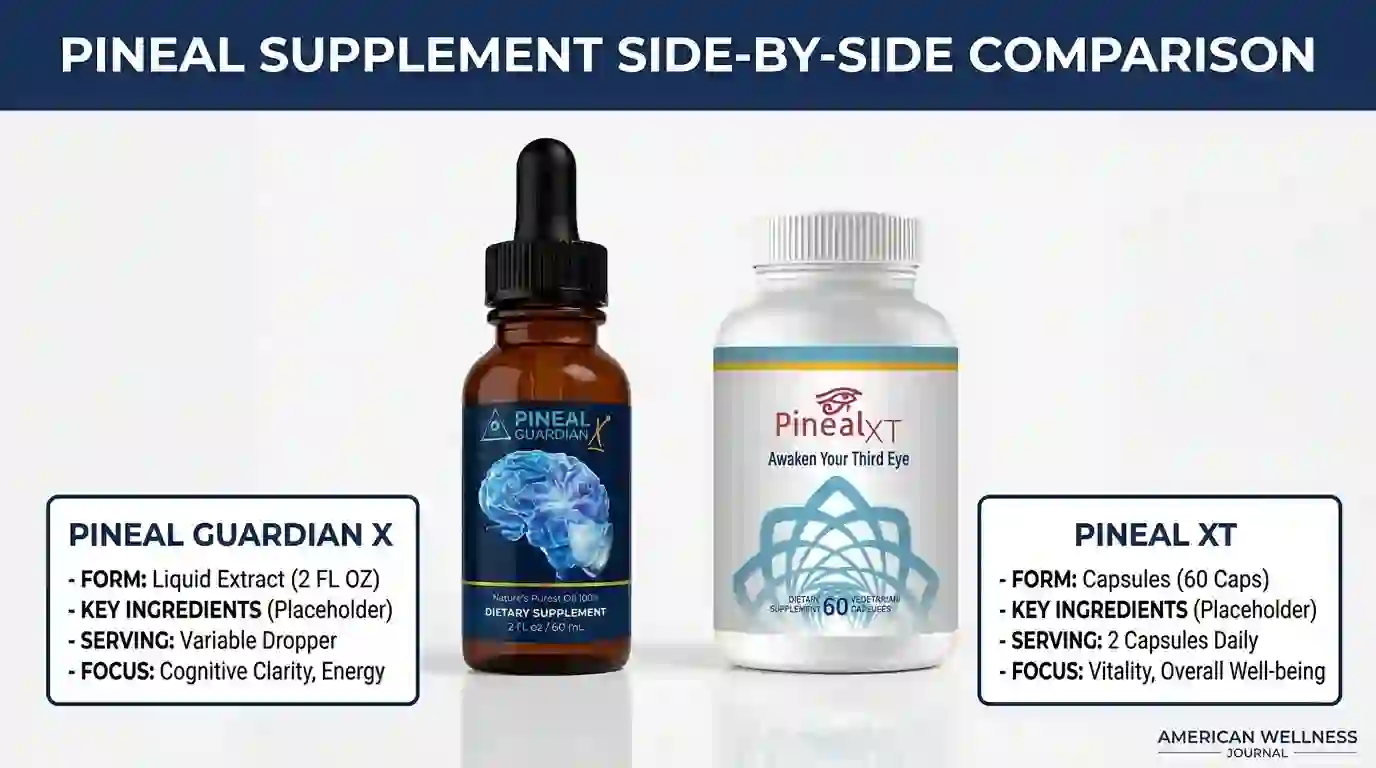
| Aspect | Pineal Awakening | Pineal Guardian | Pineal XT |
|---|---|---|---|
| Format | Capsules | Liquid | Capsules |
| Key Ingredients | Shilajit, Chaga, Chlorella | Iodine, Chlorella, Ginkgo | Iodine, Turmeric, Chlorella |
| Guarantee | 365 days | 60 days | 365 days |
| Price/month | $39-59 | $69 | $49-69 |
| Evidence Level | Moderate | Moderate | Moderate |
| Dose Transparency | Proprietary blend | Partial | Proprietary blend |
Pineal Guardian’s liquid format improves bioavailability for some compounds—a real formulation advantage. Pineal XT’s iodine inclusion is mechanistically strong for fluoride displacement. Pineal Awakening’s shilajit-centered approach is the most defensible for the “mineral environment” argument around pineal function.
None of these products has a decisive evidence advantage. The choice between them is mostly about which ingredient combination matches your primary concern: iodine displacement (Pineal XT), cognitive support (Pineal Guardian), or adaptogen-led detox (Pineal Awakening).
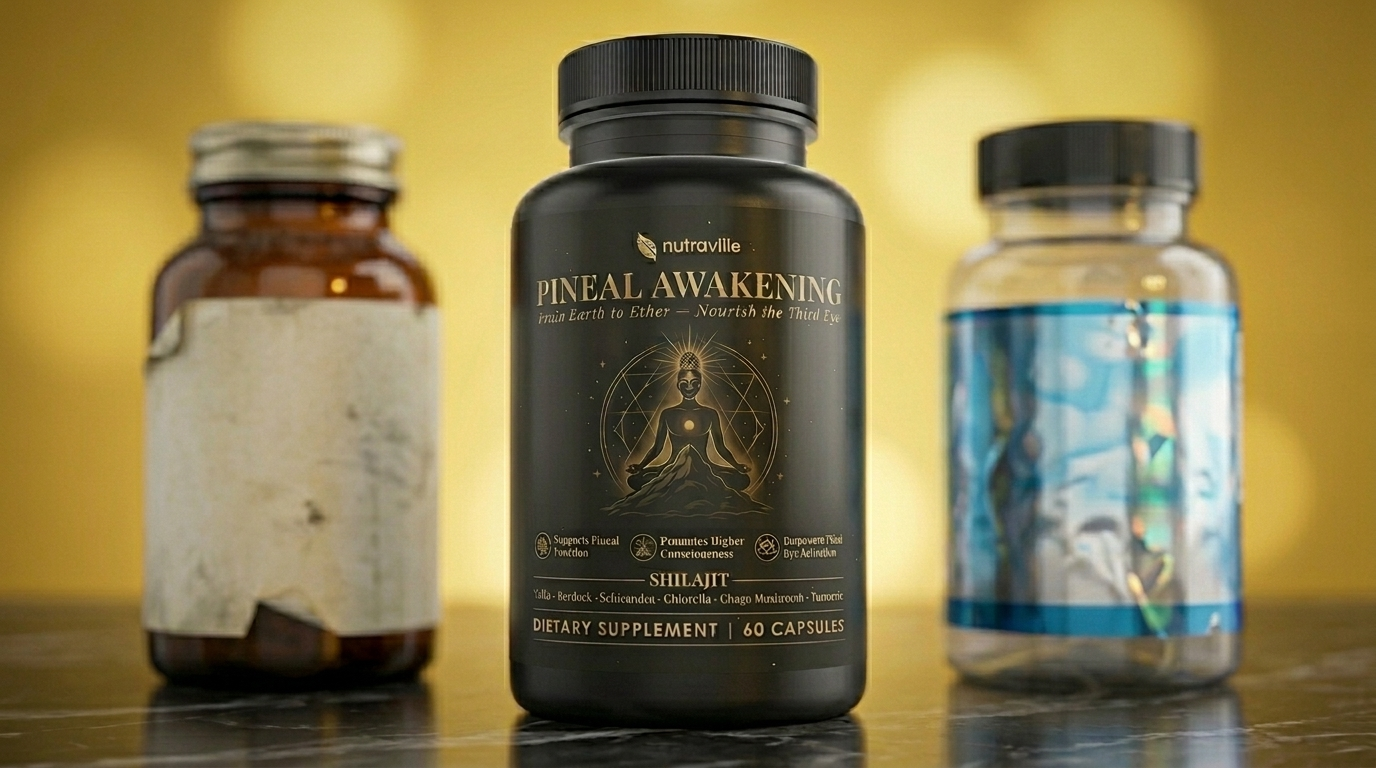
Buy only through the official site. The counterfeit problem on third-party marketplaces is documented and real—not a marketing scare tactic.
🛡️ 365-Day Money-Back Guarantee
Most competitors: 60 days
Pineal Awakening: 365 days (305-day advantage)
The 305-day gap in guarantee length versus competitors isn’t a footnote—it’s the clearest signal about which manufacturer actually believes in its own timeline. A full year means you can run the 8-12 week trial the science actually requires, confirm whether results hold, and still request a full refund with 10 months to spare.
→ Check current pricing and availability
If you’re 35-55, experiencing genuine brain fog, sleeping poorly, and willing to track your response systematically across 8-12 weeks—Pineal Awakening is a reasonable trial. Not a leap of faith. A reasonable trial.
Skip it if you’re expecting 30-day transformation, have the contraindications listed above, or are looking for a formula with disclosed doses. The evidence for chlorella’s heavy metal binding is interesting enough to warrant the test for the right person. Shilajit’s mineral transport support adds a second validated mechanism. It doesn’t warrant certainty for anyone.
Marcus's Verdict
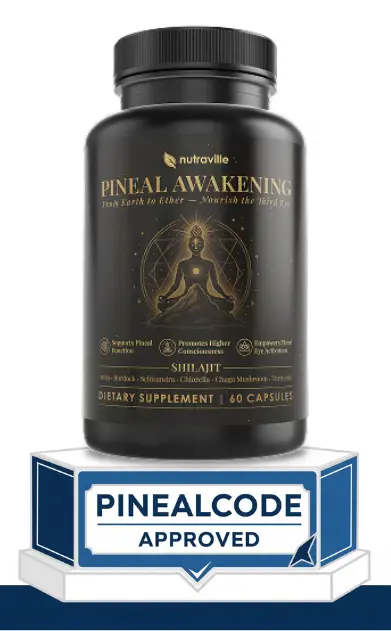
Pineal Awakening
Worth a structured 8-12 week trial for brain fog and sleep support. Real ingredients, exaggerated claims, strong guarantee.
Affiliate disclosure: we may earn a commission at no extra cost to you.
Marcus Hale is an independent researcher and former clinical neuroscientist. The content on PinealCode.com is for informational purposes only and does not constitute medical advice. Consult a qualified healthcare professional before beginning any supplementation protocol.
Pycnogenol® backed by 39 RCTs. Bacopa by 9. But the 'pineal detox' claims? Zero human trials. Full ingredient breakdown and honest verdict...
Pineal Guardian wins on evidence quality (39 RCTs behind Pine Bark). Pineal XT targets fluoride via iodine. Full ingredient breakdown and...

9 botanicals, 7 with documented mechanisms — but Lion's Mane needs 3,000 mg/day. Full Pineal Guardian ingredient analysis: what works,...

Marcus Hale
Independent Researcher · Former Clinical Neuroscientist
I spent 12 years in clinical neurology before the questions got more interesting than the answers. PinealCode is where I document what I find at the intersection of brain science and consciousness.