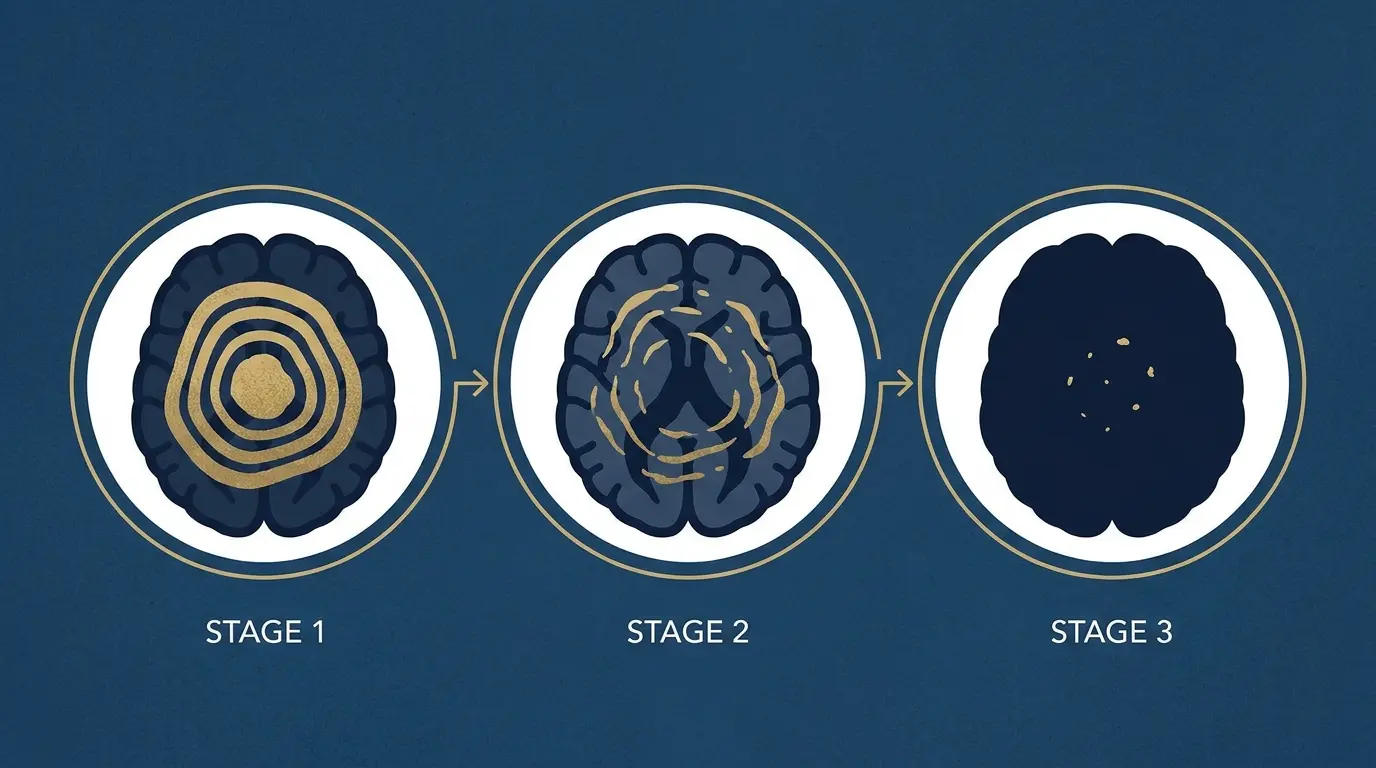
Pineal Gland Decalcification at Night: Science & Protocol
By Marcus Hale··Updated March 17, 2026
Here’s the uncomfortable part: your brain has a built-in detox system that runs almost exclusively while you sleep — and most people are unknowingly shutting it off every single night.
Deep sleep in total darkness activates pineal melatonin production and glymphatic clearance — the biological foundation of nighttime decalcification.
We’re not talking about some metaphysical concept. The glymphatic system is real, peer-reviewed, and operates on a schedule that overlaps almost perfectly with what researchers have identified as the pineal gland’s peak activity window. The same window where melatonin production surges, where slow-wave sleep consolidates, where your brain does its actual maintenance work.
Pineal gland decalcification at night isn’t a wellness trend. It’s a mechanistic question — one that science has started answering, even if the full picture isn’t there yet. I’ve spent years at the intersection of neurology and sleep research, and I can tell you: the biology here is worth taking seriously. The supplement claims, less so. We’ll get to both.
If you wake up at 3 AM more nights than not, or you can’t remember the last time you had a genuinely deep sleep, keep reading. This matters.
What Happens to Your Pineal Gland at Night?
Most of its real work starts after you close your eyes.
The pineal gland doesn’t operate independently — it takes instructions from the suprachiasmatic nucleus (SCN), your brain’s master circadian clock. When your retinas stop detecting light, the SCN sends a sympathetic signal down to the pineal, which then begins converting serotonin into melatonin. According to Zisapel’s 2022 review published in Endotext (NCBI), this production is tightly synchronized with the light-dark cycle, with output rising sharply in the evening hours.
Melatonin peaks between 2 and 4 AM in most adults. That’s not random. It coincides with the deepest stages of NREM sleep and — as we’ll cover below — the maximum activity of your brain’s waste-clearance system. Miss that window consistently, and you’re not just tired. You’re working against a biological schedule that’s been calibrated over millions of years.
Sleep & Glymphatic Clearance
Three distinct phases of brain detoxification — synchronized with melatonin
1
SLEEP ONSET
22:00–02:00
Baseline Activation
Interstitial space expands by 20%. Glymphatic flow initiates — metabolic waste removal begins slowly.
Interstitial space contracts. CSF-ISF slows. Brain prioritizes memory consolidation over cleanup.
🧠 Pineal Role: Nocturnal melatonin surge (02:00–04:00) protects aquaporin-4 channels and glymphatic vasculature from ROS damage during metabolic cleanup.
Does Calcified Pineal Gland Cause Insomnia?
Yes — and the evidence is more specific than most people realize. A 1998 pilot study by Kunz et al. correlating calcification degree with daytime fatigue found that higher degrees of pineal calcification (what researchers call DOC — degree of calcification) correlated significantly with daytime fatigue, with an odds ratio of 4.15. That’s not a trivial number for a pilot study of 36 patients. A 2009 follow-up by Becker et al. in Sleep Medicine found that DOC negatively correlated with REM sleep percentage (r = -0.567), total sleep time, and sleep efficiency in patients with primary insomnia.
Pineal calcification — quantified as degree of calcification (DOC) — is associated with a 4.15 odds ratio for daytime fatigue and a significant reduction in REM sleep percentage, according to peer-reviewed studies by Kunz (1998) and Becker (2009) published in PubMed and Sleep Medicine respectively.
Now, the honest caveat: correlation, not causation. We don’t know if calcification causes the insomnia, or if chronic sleep disruption accelerates calcification. Probably both. The longitudinal trials that would settle this question don’t exist yet.
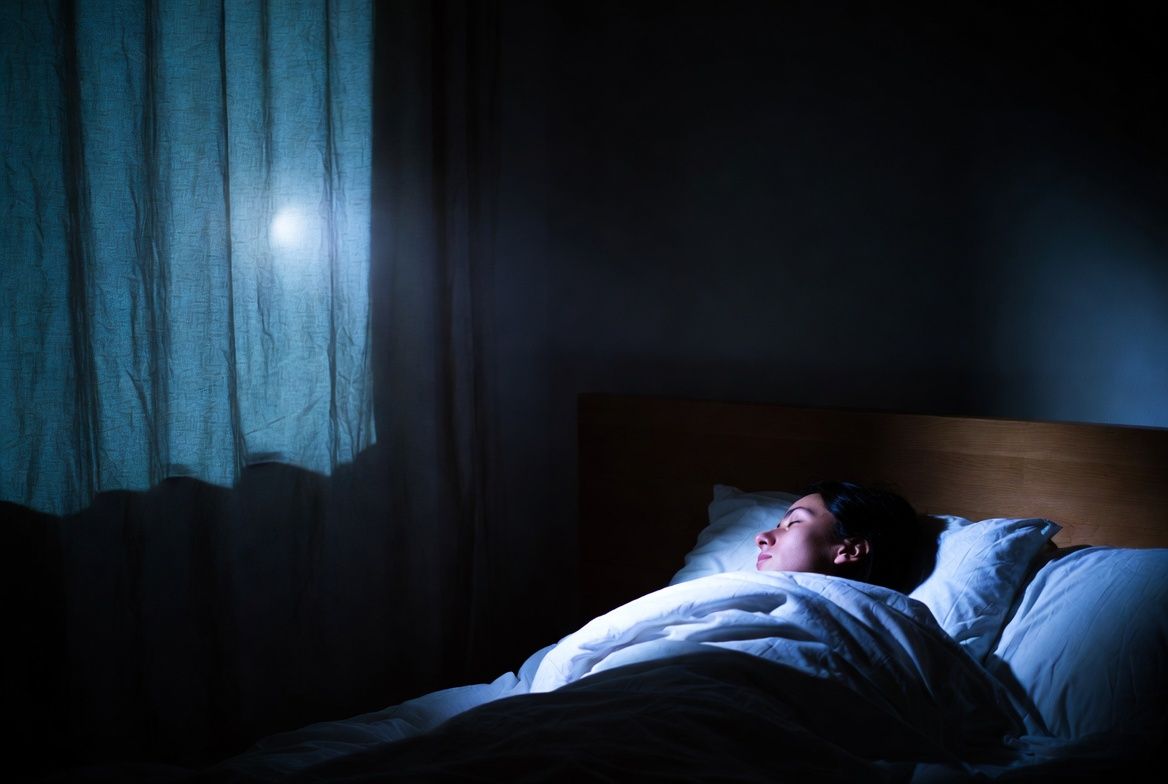
Total darkness is the primary switch. Not dimming. Not “mostly dark.” Darkness.
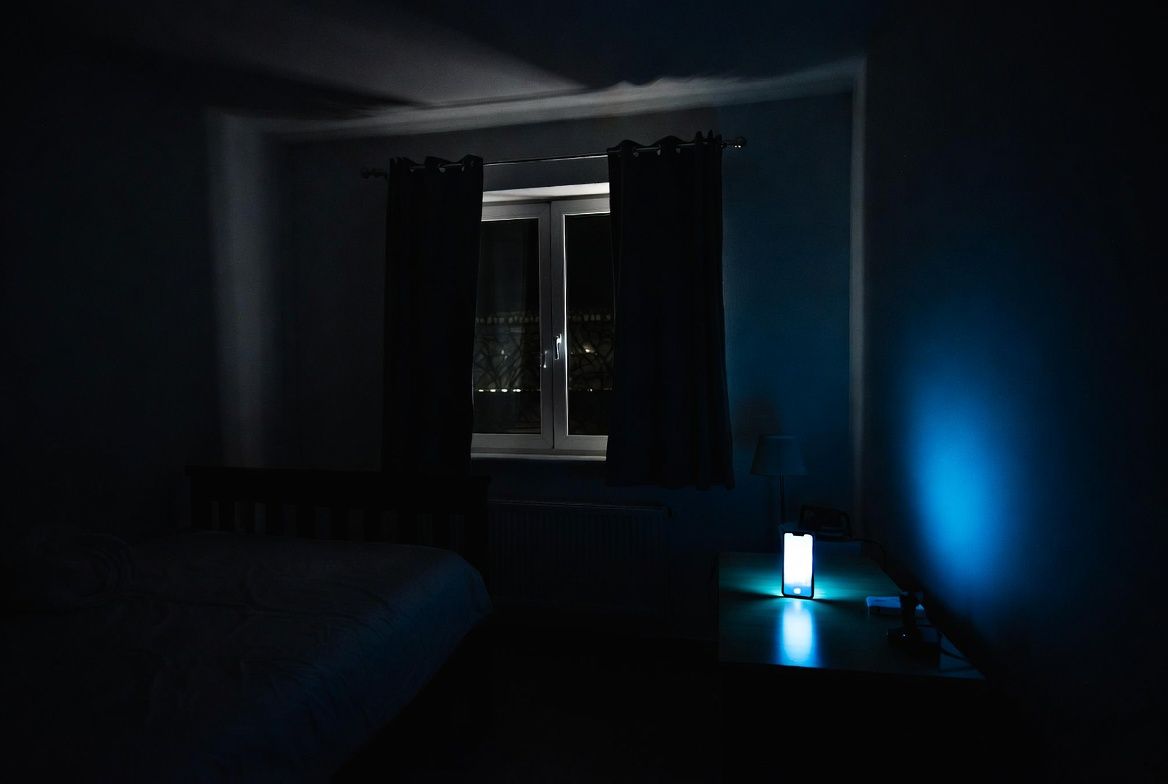
When light hits your retina, it suppresses the sympathetic signal to the pineal and melatonin production drops. According to research on wavelength-dependent melatonin suppression, nighttime light exposure can suppress melatonin by 50 to 80 percent depending on intensity and wavelength. Blue light (450–490 nm) is the worst offender. Your phone at midnight is doing to your pineal what Vegas does to your wallet — systematically, by design, one small stimulus at a time.
A 2020 study by Lumsden et al. in Frontiers in Neuroscience mapped the sympathetic pathway more precisely: darkness initiates a cascade that increases N-acetylserotonin and melatonin at the pineal level, but the response is slow. Hours to reach peak output, not minutes. That’s why “I’ll just turn the lights off at midnight” doesn’t cut it if you’re aiming for the 2 AM melatonin window.
Practical translation: blackout by 9 PM, blue light blockers from sunset. That’s not wellness theater. That’s giving your pineal enough runway. (If you’ve been more worried about WiFi than light — see what the EMF research actually shows before rearranging your priorities.)
Blue light (450–490 nm) suppresses pineal melatonin production by 50–80% — even brief nighttime exposure disrupts the sympathetic signal required for peak output (Zisapel 2022).
During NREM stage 3, the interstitial space in brain tissue expands by approximately 60%, according to Cleveland Clinic’s 2025 overview. Cerebrospinal fluid moves through. Beta-amyloid gets cleared. Tau proteins. The cellular debris of a day’s worth of neural activity.
Nobody has yet run a controlled human trial specifically measuring glymphatic clearance of calcium deposits from the pineal gland. That gap is real, and I won’t pretend otherwise.
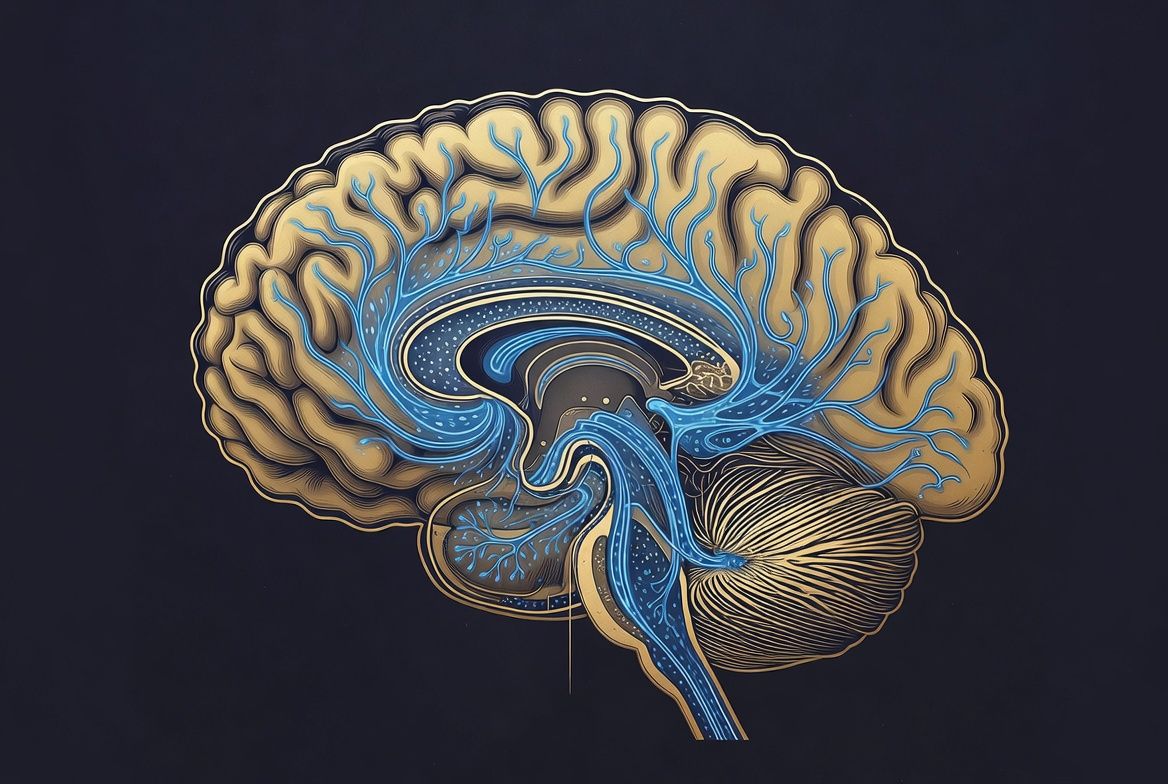
Pineal Gland and Glymphatic System Explained
The glymphatic system peaks around 2 AM — the same window as melatonin output. And melatonin itself is a potent antioxidant; it upregulates glutathione and superoxide dismutase, two of the body’s primary cellular defense mechanisms. Deep sleep isn’t just cleaning the brain generally. It’s creating the biochemical conditions under which pineal tissue is most protected from cumulative oxidative damage.
Whether that translates to measurable decalcification over months? Unknown. The imaging studies haven’t been done.
Disrupted slow-wave sleep means less glymphatic activity. Less melatonin. More oxidative stress on tissue that would otherwise be maintaining itself.
Start there.
The glymphatic system becomes 10x more active during NREM stage 3 sleep, expanding interstitial space by 60% to flush metabolic waste — including potential calcium deposits (Cleveland Clinic 2025).
7-Step Nighttime Protocol for Pineal Decalcification
This is the operational version. Not philosophy — sequence.
1. Total blackout by 9 PM. Blackout curtains, tape over LEDs, the works. Not 95% dark. 100%.
2. Blue light cutoff at sunset. Blue-blocking glasses if you’re using screens. Better: don’t use screens.
3. Magnesium glycinate, 200–400 mg, 60 minutes before bed. Glycinate form crosses the blood-brain barrier efficiently and supports GABA pathways for deeper slow-wave sleep — which directly increases glymphatic activity, the main mechanism this protocol is designed to leverage. Start at 200 mg. Some people get loose stools above 400 mg, so go slow.
4. Sleep window: 10 PM to 6 AM. You need to be in deep sleep by midnight to catch the 2 AM melatonin peak. Late bedtimes don’t just shorten sleep — they shift you into a different, shallower biological window entirely.
5. Nighttime pineal support supplements, if applicable. PinealPure is formulated specifically for a nocturnal detox protocol — ingredients timed for overnight use. Pineal XT addresses melatonin production more directly. Neither has clinical trials specifically on decalcification, and I won’t pretend otherwise. The ingredient rationale is sound for sleep support. See our full review before deciding.
6. 10 minutes of eyes-closed breathwork or stillness before sleep. Not because it’s spiritual. Because it downregulates the HPA axis and drops cortisol — which, left elevated, actively competes with melatonin production.
7. Keep a dream journal. I resisted this one for years. It felt like something people do at wellness retreats, right before they announce they’re “on a journey.” But tracking dream recall is genuinely one of the better proxies for sleep architecture quality — specifically REM depth and continuity. It’s also how you tell whether any of this is actually working. Do it anyway.
Magnesium glycinate (200–400 mg, 60 minutes before sleep) supports GABA pathways and deeper slow-wave sleep — the stage when glymphatic clearance peaks.
Time
Protocol Step
Biological Mechanism
Sunset
Blue light blockers ON
Prevent melatonin suppression
9:00 PM
Total blackout initiated
Allow SCN → pineal signal
9:30 PM
Magnesium glycinate (200-400mg)
GABA pathway support
10:00 PM
Lights out, sleep onset
Enter slow-wave sleep window
2:00-4:00 AM
Melatonin peak
Glymphatic clearance maximum
6:00 AM
Natural light exposure
Reset circadian rhythm
Best Supplements for Nighttime Pineal Support
Three products come up consistently in biohacker communities for nocturnal protocols.
PinealPure is the most specifically positioned for overnight detox — users on Reddit r/pinealgland report better deep sleep and more vivid dreams within two weeks. The complaint is consistency: results take 4–6 weeks, and the capsules are large. Check current pricing here.
Pineal XT targets melatonin production more directly. Trustpilot and Amazon reviews lean positive for sleep continuity — less waking in the second half of the night — but some users note the chaga dose feels light at one capsule per day. See our Pineal XT breakdown.
Awaken XT leans heavily on magnesium. Effective for relaxation. Anything over 400 mg and the laxative effect overtakes the sleep benefit for most people.
Here’s the opinion that’s going to annoy some readers: supplements are not the intervention. Sleep architecture is the intervention. The protocol above — darkness, timing, magnesium — does the structural work. Supplements adjust the margin. A well-timed, fully dark 8-hour sleep without any capsules will outperform a supplement stack taken while you scroll Instagram until midnight.
Yes, there’s a supplement for nighttime pineal support. There’s always a supplement for that.
Signs Your Pineal Is Decalcifying Overnight
Not definitive biomarkers. Signals worth tracking:
Dreams becoming retrievable — you wake up knowing what happened, not just that something did
That last one carries a lot of spiritual weight in certain communities. I don’t know what it means mechanistically. I know it correlates with sleep quality for me personally. Make of that what you will.
Dream recall quality tracks REM depth and sleep continuity — a practical biomarker for measuring nighttime pineal protocol effectiveness over 4–8 weeks.
The science here is real, incomplete, and worth acting on anyway.
What’s established: the pineal gland produces melatonin in response to darkness, peaks around 2 AM, and that production is measurably reduced in calcified tissue. Deep sleep activates the glymphatic system. The timing of these systems overlaps in a way that’s probably not coincidence.
What’s not established: whether nighttime protocols produce measurable, imaging-confirmed decalcification in humans over time. That study hasn’t been done.
Start with the darkness. Everything else follows from there.
Frequently Asked Questions
Does calcified pineal gland cause insomnia?
Evidence suggests yes. Studies by Kunz (1998) and Becker (2009) found higher pineal calcification correlates with daytime fatigue (OR=4.15) and reduced REM sleep. Causality isn't proven, but the association is significant.
What time is melatonin highest at night?
Melatonin peaks between 2 and 4 AM in most adults, synchronized with the circadian cycle. This window also coincides with maximum glymphatic activity and slow-wave sleep depth.
Does darkness activate the pineal gland?
Yes. Total darkness triggers the sympathetic signal from the SCN to the pineal, initiating serotonin-to-melatonin conversion. Light exposure — especially blue light — can suppress this by 50–80%.
How does sleep help decalcify the pineal gland?
Deep sleep activates the glymphatic system, which becomes 10x more active during NREM stage 3. This flushes metabolic waste via cerebrospinal fluid — though pineal-specific clearance hasn't been directly measured in humans yet.
Marcus Hale is an independent researcher and former clinical neuroscientist. The content on PinealCode.com is for informational purposes only and does not constitute medical advice.
Medical Disclaimer: The content on
PinealCode.com is for informational and educational purposes only. Nothing here
constitutes medical advice, diagnosis, or treatment. Always consult a qualified
healthcare provider before making changes to your health regimen.
Marcus Hale
Independent Researcher · Former Clinical Neuroscientist
I spent 12 years in clinical neurology before the questions got more interesting
than the answers. PinealCode is where I document what I find at the intersection
of brain science and consciousness.