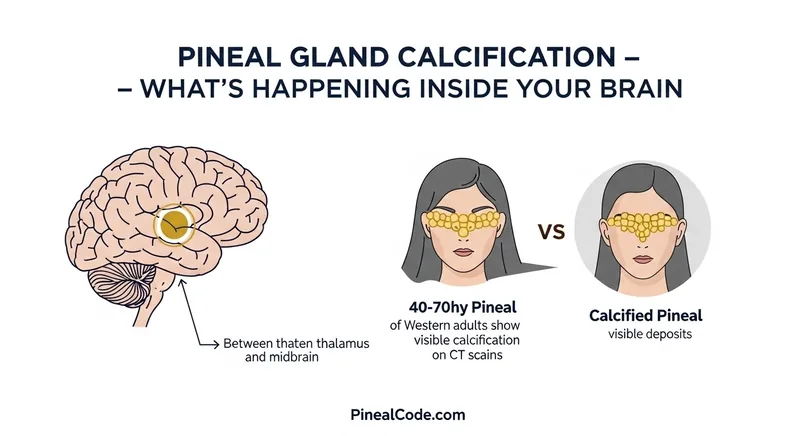
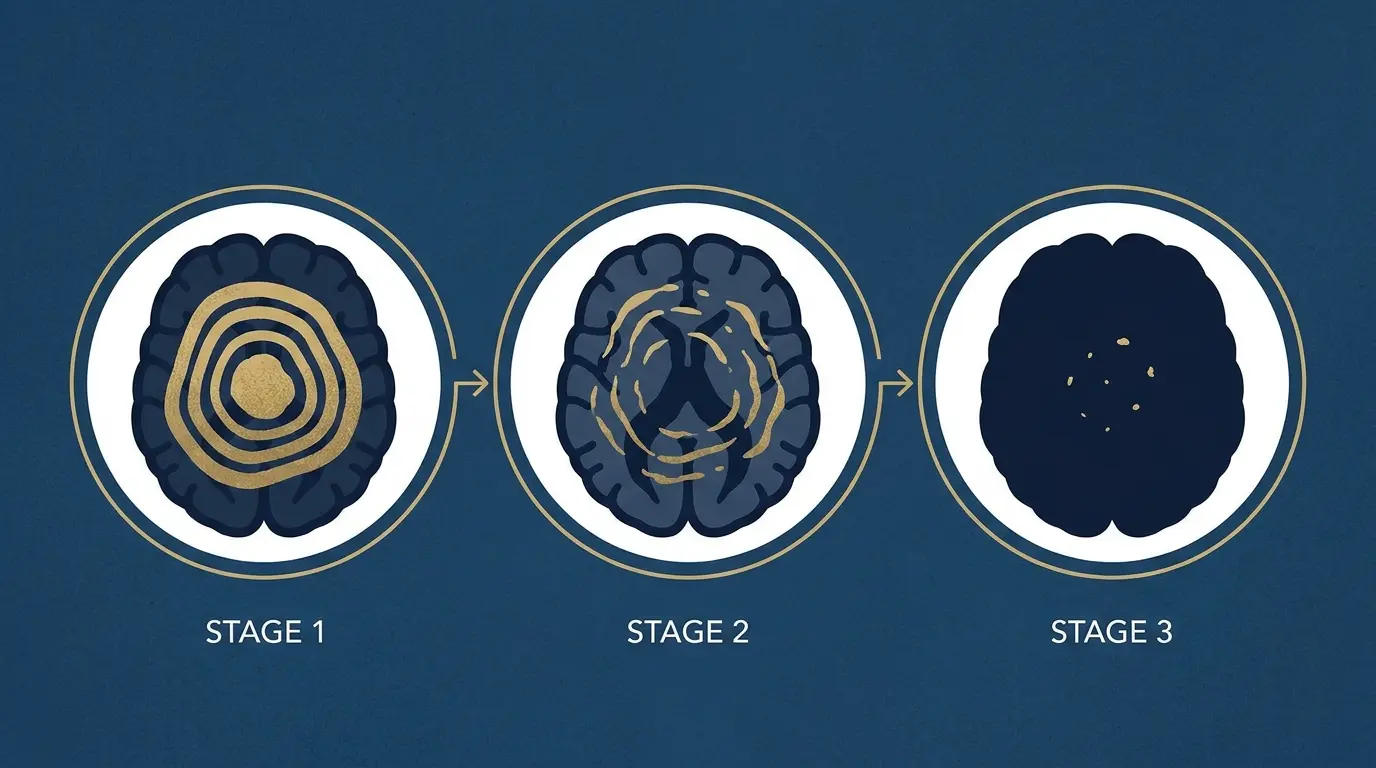
The pineal gland is real anatomy—about the size of a pea, lodged deep in the brain between the thalamus and midbrain. It produces melatonin. That’s not mystical. That’s biochemistry. But here’s where it gets interesting: the same calcium deposits that show up on imaging correlate with declining melatonin production, disrupted sleep cycles, and according to some research, impaired cognitive function. Whether that’s cause or consequence is still an open question. The science is real. The narrative around it, though — that’s where things get messy.
I’m going to decode what’s actually happening in your pineal gland, what causes the calcification, and what you can do about it based on evidence — not supplements marketing. There’s a difference between what’s scientifically plausible and what’s definitively proven. I’ll separate those clearly.
What Is Pineal Gland Calcification?
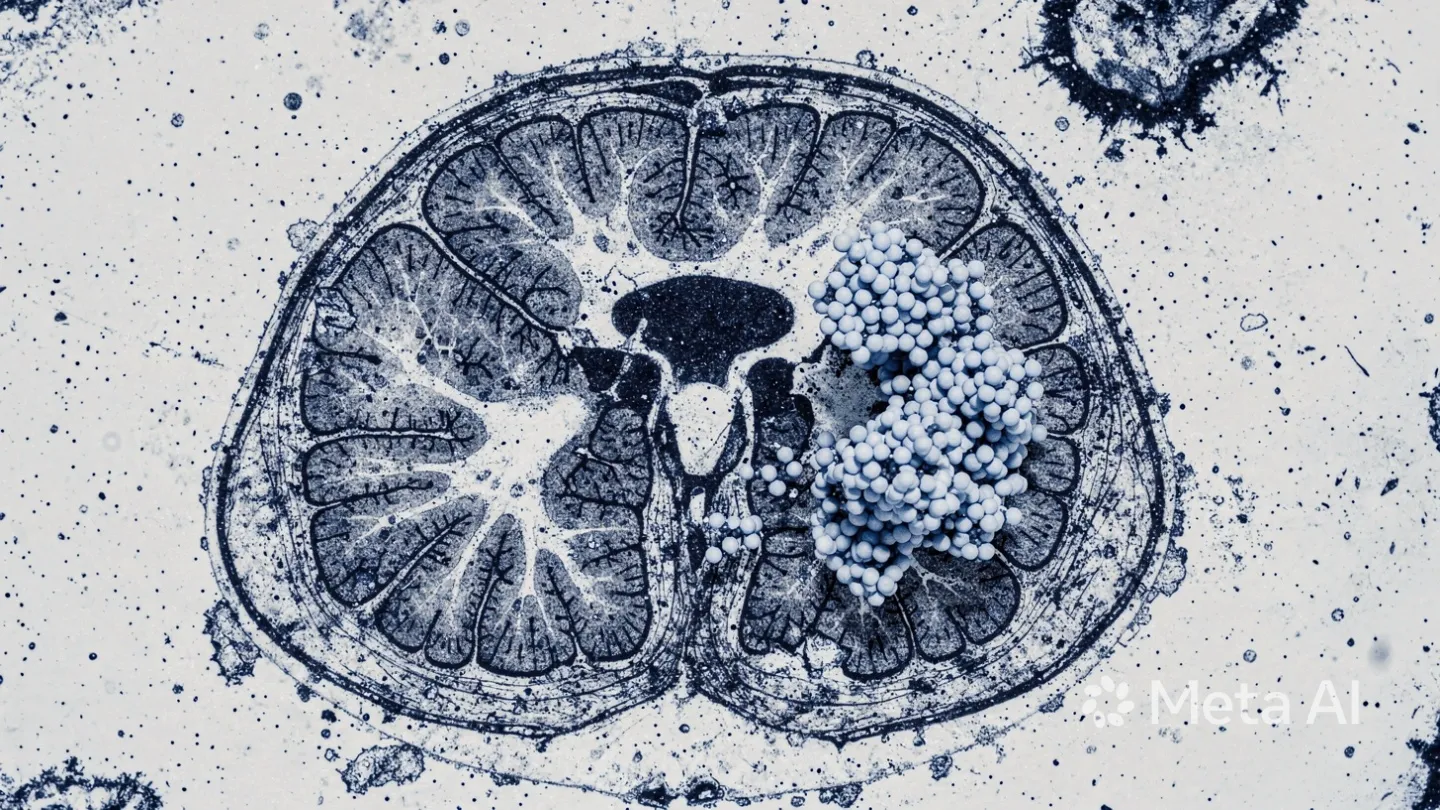
Pineal gland calcification is the accumulation of calcium phosphate and calcium carbonate deposits within the pineal tissue. It happens over time, usually without any symptoms. You don’t feel it. Your doctor doesn’t mention it unless they’re looking for it specifically.
Somewhere between 40 and 70 percent of Western adults show calcification visible on high-resolution CT scans, depending on age and imaging sensitivity. It increases with age. A person in their 20s might show minimal calcification; by 50, visible deposits are common. This isn’t disease. It’s a process.
Here’s the functional piece: the pineal gland synthesizes melatonin, produced in circadian rhythm — rising after dark, peaking between 2 and 4 AM, declining toward morning. When calcium deposits accumulate within the tissue, the research suggests pineal function may decline. A 2009 study from Mahlberg and colleagues published in Neuropsychobiology found a negative correlation between the degree of pineal calcification and nocturnal melatonin production. Translating: more deposits, less melatonin at night.
But here’s the honesty: correlation isn’t causation. We don’t know if the deposits themselves are causing the decline or if whatever process creates the deposits is also independently reducing function. The imaging data is clear. The mechanism remains debated.
Can You Actually Decalcify Your Pineal Gland?
This is the question the entire protocol rests on — and the honest answer is: partially. Here’s what the evidence supports and what it doesn’t.
What IS supported: reducing new fluoride accumulation, optimizing mineral balance to slow calcification progression, and improving circadian function in the tissue that remains healthy. Studies confirm these mechanisms work at the cellular level.
What is NOT proven: that existing calcium deposits dissolve through diet or supplementation. No randomized controlled trial has demonstrated reversal of pineal calcification in living humans. Anyone claiming otherwise is ahead of the science.
The practical upshot: the protocol below is worth doing regardless — because improving sleep, reducing fluoride, and supporting melatonin production have documented benefits independent of whether the deposits themselves change.
What Causes Pineal Gland Calcification?
The causes are multiple, which is why solving this isn’t about eliminating one toxin and declaring victory.
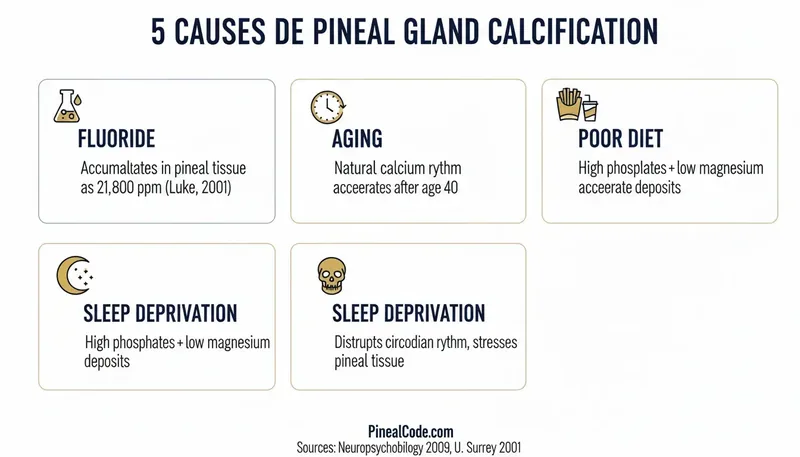
Fluoride: This one gets the attention, and for specific reasons. A 2001 chemical analysis by Jennifer Luke at the University of Surrey examined pineal glands from cadavers and found fluoride concentrations reaching 21,800 parts per million — higher than in any other soft tissue in the body, including bone. The study was small, peer-reviewed, and published. It’s also post-mortem tissue, which means it doesn’t prove fluoride is calcifying pineal glands in living humans. Important distinction. The full evidence review — what’s confirmed, what remains unknown, and what to do about it — is in the fluoride and pineal gland guide. In fact, I spent a long time overstating that link before I read the original paper. The accumulation is real. The calcification causality? Still correlation.
Aging: The pineal gland calcifies naturally over the lifespan, similar to how other tissues undergo age-related changes. This is inevitable unless we figure out how to reverse aging itself, which we haven’t.
Poor diet: Diets high in phosphates and processed foods, combined with low mineral absorption (magnesium, vitamin K2, boron), may accelerate calcification. The pineal gland doesn’t calcify in isolation — systemic mineral balance matters.
Sleep deprivation: Chronic sleep loss dysregulates circadian rhythm, reduces melatonin production, and may stress the pineal tissue over time. Causality isn’t proven, but the correlation is solid.
Environmental toxins: Heavy metals (lead, mercury, aluminum) can accumulate in neural tissue and trigger calcium deposition as a protective response. Your body is trying to isolate toxic metals. The mechanism backfires.
Magnesium deficiency: Magnesium is the primary mineral that regulates calcium deposition. Deficiency — which affects roughly 50 percent of Americans — allows calcium to accumulate where it shouldn’t.
It’s not one cause. It’s a convergence. And that’s actually good news, because it means you have multiple levers to pull.
How to Decalcify Your Pineal Gland Naturally — 5 Evidence-Based Methods
1. Reduce Fluoride Exposure
This is the first domino. Start here.
Your water is fluoridated. Your toothpaste is fluoridated. Most black tea and certain foods contain significant fluoride. If you live in a US city, you’re getting fluoride whether you choose it or not.
You can’t eliminate fluoride entirely from modern life. But you can reduce it substantially. Filter your drinking water through a reverse-osmosis system or activated alumina filter — these remove fluoride effectively. Switch to a non-fluoridated toothpaste; hydroxyapatite-based options work for dental health without the fluoride.
The Luke study showed fluoride preferentially accumulates in pineal tissue. Reducing exposure now prevents further accumulation. Will it reverse what’s already there? Unknown. But stopping new input is step one.
This alone won’t decalcify you. But it stops you from adding to the problem.
2. Optimize Your Diet
The pineal gland doesn’t exist in a nutritional vacuum. Systemic mineral balance directly affects whether calcium stays mobile or deposits.
Focus on magnesium-rich foods: pumpkin seeds, almonds, spinach, dark chocolate. These counteract calcium deposition. Vitamin K2 (found in grass-fed dairy, natto, sauerkraut) directs calcium to bones and teeth, away from soft tissues. Boron (found in almonds, prunes, avocados) supports calcium regulation.
Reduce phosphates. Processed foods are loaded with phosphate additives, and high phosphate-to-magnesium ratios push calcium deposition. Swap seed oils for olive oil or ghee. These changes aren’t magical. They’re foundational mineral management — the same logic ancient Mesoamerican populations applied when cacao (high in magnesium) was a dietary staple, not a treat.
Raw cacao specifically deserves mention: it’s one of the highest whole-food sources of magnesium available. Not causation that it prevents calcification. But the mechanism is sound.
3. Support Detoxification with Key Nutrients
Tamarind is the one with actual research behind it. A 2002 study published in the Indian Journal of Nutrition found that children consuming tamarind increased urinary fluoride excretion by 91 percent. Post-fluoride exposure, the body excretes more of what it consumed. Does this help with deposits already in tissue? Nobody knows. But it actively supports the elimination pathway.
Cilantro and chlorella have traditional use for heavy metal chelation, though evidence is preliminary. Chlorella specifically binds to heavy metals and supports their excretion.
Alpha-lipoic acid (ALA) crosses the blood-brain barrier and reduces oxidative stress in neural tissue. Calcification is partly an inflammatory response — reducing inflammation matters. NAC (N-Acetyl Cysteine) works through a similar pathway — raising glutathione to counter fluoride-induced oxidative damage in neural tissue — and has 60 years of clinical safety data behind it.
These aren’t replacements for diet and sleep. They’re additional support within a larger protocol.
4. Light Exposure and Sleep Optimization
Your circadian rhythm is how your pineal gland stays functional. Melatonin is a light-dependent hormone — full stop.
Get sunlight within the first hour of waking. This synchronizes your circadian rhythm and primes melatonin production for that night. By midday, melatonin is suppressed — as it should be. By evening, light exposure should drop. Blue light after sunset delays melatonin onset by up to 3 hours.
Sleep is detoxifying. During deep sleep, your glymphatic system — the brain’s waste clearance mechanism — becomes dramatically more active, flushing cerebrospinal fluid through brain tissue and removing metabolic waste. Calcium deposits accumulate partly because of insufficient clearing. Sleep better. Clear more. Practitioners working on pineal health through meditation often report the pressure sensation between the eyebrows — a real neurological marker of increased activity in the prefrontal-thalamic network that governs circadian regulation.
This is where Pineal Guardian comes in — not as a replacement for the above, but as a delivery platform for specific nutrients your diet likely misses.
A solid pineal support formula should include: magnesium glycinate (for calcium regulation without the digestive side effects of oxide), vitamin K2 in MK-7 form (best absorption), iodine (for thyroid and pineal function — they’re connected), and boron. You can source these individually, or use a formula that compounds them with better bioavailability.
Pineal Guardian was designed around this logic. It’s not magic. It’s the micronutrients that support pineal function — in bioavailable forms, in doses informed by the research.
Systemic anti-inflammatory; supports circulation to neural tissue
Lemon water
Citric acid, vitamin C
Citrate chelates excess calcium; vitamin C supports tissue integrity
These are foods. You eat them. The mechanism behind why they matter for pineal health is grounded in how mineral balance actually works — not wellness mythology.
The 30-Day Pineal Decalcification Protocol
This is a realistic framework. Not a guarantee.
Week 1 of 4
Foundation — Remove the Input
🚿Filter your water. Reverse-osmosis or activated alumina filter — removes fluoride at source.
🍫Add pineal foods daily. Raw cacao at breakfast (magnesium), garlic at dinner, tamarind tea once a day.
📊Track your sleep baseline. Duration, quality, morning alertness. You need data, not guesses.
Most people sleep worse in Week 1 — not because the protocol harms anything, but because you’re paying attention for the first time. Notice. Don’t panic.
Week 2 of 4
Detox Support — Add the Tools
💊Magnesium glycinate 400mg at night. Regulates calcium deposition without digestive side effects.
☀️Morning sunlight 15–20 min within the first hour of waking. No sunglasses — your eyes need the signal.
🌿Vitamin K2 (MK-7) 100–200mcg. Directs calcium to bones, away from soft tissue.
🌊Iodine support — eat seaweed (nori, wakame) 3×/week or supplement if deficient.
These supplements work with the dietary changes — not instead of them. Both are required for the mechanism to function.
Week 3 of 4
Optimization — Signal Clarity
🌙Blue light cutoff at 8 PM. Blue blockers or a screen filter. Your pineal gland runs on light and dark — give it clear signals.
🧘Add 10 min meditation. Circadian regulation through stress reduction. Consistent timing matters more than duration.
🥗Reduce phosphates. Cut processed foods with phosphate additives — swap for whole foods, olive oil, ghee.
📊Check your sleep data. Melatonin rhythm can shift in 2–3 weeks. Is sleep quality improving?
Calcium deposits don’t dissolve in 21 days — realistic expectation. But circadian rhythm can shift that quickly. That’s the target for Week 3.
Week 4 of 4
Assessment — Measure What Matters
😴Sleep is your primary metric. Duration, quality, morning alertness, midday energy crashes — all should show movement.
🧠Cognitive shifts take longer. Memory, focus, clarity — these move over months, not weeks. Don’t judge prematurely.
📋Continue what’s working. This isn’t a 30-day cleanse. It’s a new baseline. The protocol doesn’t stop at Day 30.
🩺Consider imaging if symptoms persist and you want objective data. Ask your doctor for a CT scan framed around sleep and cognitive symptoms.
Four weeks is too early to claim victory. But the biomarkers you can measure — sleep quality, energy, clarity — should show clear improvement. That’s your signal to continue.
What This Means for You
Here’s the honest summary: We don’t have randomized controlled trials on pineal decalcification protocols. We have correlational data linking fluoride to pineal accumulation. We have dietary research on mineral balance. We have imaging studies showing calcification correlates with reduced melatonin. We don’t have proof that any intervention reverses deposits already present in tissue. If you want to understand the full symptom picture that correlates with calcification, the pineal gland calcification symptoms guide breaks down what the research connects — and what it doesn’t.
What we have is plausibility. Stop fluoride intake. Optimize mineral balance. Support circadian rhythm. Reduce inflammation. These are grounded in how pineal tissue actually works. Whether they reverse existing calcification is an open question.
Implement the protocol anyway. Even if calcification doesn’t reverse, you’ll sleep better. Your circadian rhythm will sync. Your mineral balance will improve. These are real outcomes with compound effects far beyond pineal health.
Pineal Guardian fits into this as a delivery mechanism for the micronutrients you’d otherwise have to source individually — magnesium, K2, iodine, boron in bioavailable forms. It’s not the protocol. It’s a tool within it. I’ve reviewed the full formula and what the evidence actually supports ingredient by ingredient in the Pineal Guardian review.
Start with sleep. If you do nothing else, fix sleep first.
Frequently Asked Questions
How long does it take to decalcify the pineal gland?
Circadian rhythm improves in 2–4 weeks. Sleep quality shifts in 3–6 weeks. Whether existing calcium deposits reverse is unknown — no research shows a definitive timeline for that. The more realistic goal is slowing new accumulation and supporting the tissue that still functions.
Does fluoride really calcify the pineal gland?
Fluoride accumulates in the pineal gland at concentrations up to 21,800 ppm — higher than bone. But that doesn't prove fluoride is the primary driver of calcification in living humans. Fluoride is a contributor alongside aging, mineral imbalance, and inflammation. Both extremes — 'fluoride calcifies everything' and 'fluoride is irrelevant' — are wrong.
Can you reverse pineal gland calcification?
Unknown. Nobody has demonstrated this in human subjects. The protocol here optimizes conditions under which reversal might occur — mineral support, reduced inflammation, reduced fluoride exposure. Expecting existing deposits to dissolve is speculative. Expecting new calcification to slow is more grounded in mechanism.
What are the signs that your pineal gland is calcified?
Imaging is the only definitive sign. Correlates include chronically disrupted sleep, difficulty falling or staying asleep, jet lag sensitivity, seasonal mood shifts, and reduced dream recall. None of these prove calcification — but they suggest pineal dysfunction worth addressing.
Is pineal gland decalcification scientifically proven?
No. Calcification is real and documented. Melatonin decline correlates with calcification. But a protocol that reverses existing deposits is not a proven clinical intervention. What exists is evidence-based support for pineal function and mineral balance — nothing more, nothing less.
What foods help decalcify the pineal gland?
Foods with the strongest mechanistic support: raw cacao (high magnesium), tamarind (increases urinary fluoride excretion by 91% per Bhattacharya 2002), chlorella (heavy metal chelation), garlic (organosulfur compounds and selenium), and seaweed (iodine for the thyroid-pineal axis). These support the conditions for pineal health — not magic decalcification.
Marcus Hale is an independent researcher and former clinical neuroscientist. The content on PinealCode.com is for informational purposes only and does not constitute medical advice.
Medical Disclaimer: The content on
PinealCode.com is for informational and educational purposes only. Nothing here
constitutes medical advice, diagnosis, or treatment. Always consult a qualified
healthcare provider before making changes to your health regimen.
Affiliate Disclosure: This article
contains affiliate links. Purchasing through these links may earn us a commission
at no extra cost to you.
Marcus Hale
Independent Researcher · Former Clinical Neuroscientist
I spent 12 years in clinical neurology before the questions got more interesting
than the answers. PinealCode is where I document what I find at the intersection
of brain science and consciousness.