Does Garlic Decalcify the Pineal Gland? What Science Actually Says
By Marcus Hale·
Does Garlic Decalcify the Pineal Gland? What Science Actually Says
The Short Answer
Garlic does not directly decalcify the pineal gland — no human or animal study has demonstrated that. What it does offer is a real, measurable set of biochemical mechanisms — allicin, organosulfur compounds, and selenium — that may protect the pineal gland from the oxidative stress and fluoride exposure that drive calcification in the first place.
What Makes Garlic Interesting for Pineal Health?
Garlic’s relevance isn’t folklore. It comes down to three specific compounds that interact with systems the pineal gland depends on: inflammation control, phase II detoxification, and antioxidant defense via selenium. None of these mechanisms are pineal-specific in the literature — but they’re biologically relevant enough to take seriously.
Allicin and Anti-Inflammatory Properties
Allicin — the sulfur compound formed when raw garlic is crushed or chopped — is garlic’s most studied bioactive molecule. In macrophage models, allicin reduces LPS-induced production of TNF-α, IL-6, and nitric oxide via upregulation of heme oxygenase-1 (HO-1), a key anti-inflammatory pathway (PMID 23583806). A 2021 study confirmed allicin suppresses the same cytokine triad — TNF-α, IL-6, and IL-1β — in live tissue in a pulmonary fibrosis model (PMID 34445305).
Why does this matter for the pineal? Chronic low-grade neuroinflammation is considered a contributing factor in progressive calcification throughout the brain, including in the pineal region. Allicin’s documented ability to reduce inflammatory signaling in a dose-dependent manner (PMC3845688) makes it a plausible protective agent — though no study has tested it directly in pineal tissue. The calcification process itself involves multiple biological pathways, which is why symptoms can be subtle and varied.
One practical note that changes everything: cooking significantly degrades allicin. A 2013 study found that short-term heating substantially reduced the anti-inflammatory effects of fresh raw garlic extract (PMID 23583806). Raw. That’s the only form that delivers what the research actually measured.
Organosulfur Compounds and Detoxification
Garlic contains a family of organosulfur compounds — diallyl sulfide (DAS), diallyl disulfide (DADS), diallyl trisulfide (DATS) — that activate phase II detoxification enzymes, specifically glutathione S-transferase pi (GSTP) (PMID 21381664). These enzymes are central to the body’s ability to conjugate and eliminate environmental toxicants, including heavy metals and halides like fluoride.
Organosulfides upregulate GSH (glutathione), the master antioxidant and a key chelation cofactor. “Support” is probably the right word here, not “enhance.” Garlic improves the systemic biochemical conditions that make detoxification more efficient (PMC4417560). That’s a real mechanism. It’s just not the dramatic one the wellness internet wants to sell you.
PINEALCODE.COM — DETOX PATHWAY MAP
GARLIC ORGANOSULFUR → DETOXIFICATION
Phase II Enzyme Activation Pathway
ORGANOSULFUR COMPOUNDS
DAS
Diallyl Sulfide
DADS
Diallyl Disulfide
DATS
Diallyl Trisulfide
↓
ACTIVATE
PHASE II DETOX ENZYMES
GSTP (Glutathione S-Transferase Pi)
Upregulates GSH (glutathione) production — master antioxidant and key chelation cofactor. PMID 21381664
↓
ENABLE
DETOXIFICATION OUTPUT
Environmental toxicants conjugated
Heavy metals chelated
Fluoride clearance supported
▪ PATHWAY SUMMARY
Garlic organosulfides activate phase II detoxification enzymes (GSTP), which upregulate glutathione — the body's primary antioxidant and detox cofactor. This supports systemic toxicant clearance, including fluoride.
Organosulfur compounds upregulate GSH/phase II detox
✅ Supported in cell and animal models
Selenium is disproportionately concentrated in the pineal
✅ Direct human tissue data (PMID 7112096)
Garlic reduces fluoride burden in non-pineal tissues
⚠️ Animal data only, indirect
Garlic directly decalcifies the pineal gland
❌ No study exists
Allicin crosses the blood-brain barrier at therapeutic levels
❌ Unknown — no human pharmacokinetic data
Garlic is a protective and supportive agent. Not a decalcification intervention. That’s a real role — but it’s not the same thing as actively dissolving calcium deposits, and pretending otherwise doesn’t serve anyone.
Does Garlic Remove Fluoride From the Pineal Gland?
Short answer: no evidence says it does. Here’s what we actually know.
Fluoride accumulation in the pineal gland is documented. Jennifer Luke’s 2001 study (PMID 11275672) analyzed 11 aged human cadavers and found pineal fluoride concentrations of 297 ± 257 mg F/kg — compared to just 0.5 mg/kg in muscle tissue — with a statistically significant positive correlation between fluoride and calcium content (r = 0.73, p < 0.02). Small study. Elderly subjects only. No causality established. Still, those numbers are striking enough to take seriously.
Can garlic reverse that accumulation? Animal studies show garlic water extract normalizes malondialdehyde (MDA) and glutathione (GSH) in rats exposed to sodium fluoride — protection against fluoride-induced oxidative stress in hepatic and renal tissue (Research J. Pharm. and Tech., 2018). A 2025 study found garlic reversed oxidative enzyme damage from sodium fluoride in cardiac tissue of male albino rats. Neither study measures pineal fluoride levels. Neither comes close.
Garlic may reduce the oxidative damage that fluoride causes systemically — which could slow the cascade that leads to calcification. That’s a narrow, honest claim. Worth making. Not worth inflating.
How to Use Garlic for Pineal Support (Practical Protocol)
Here’s what the evidence supports:
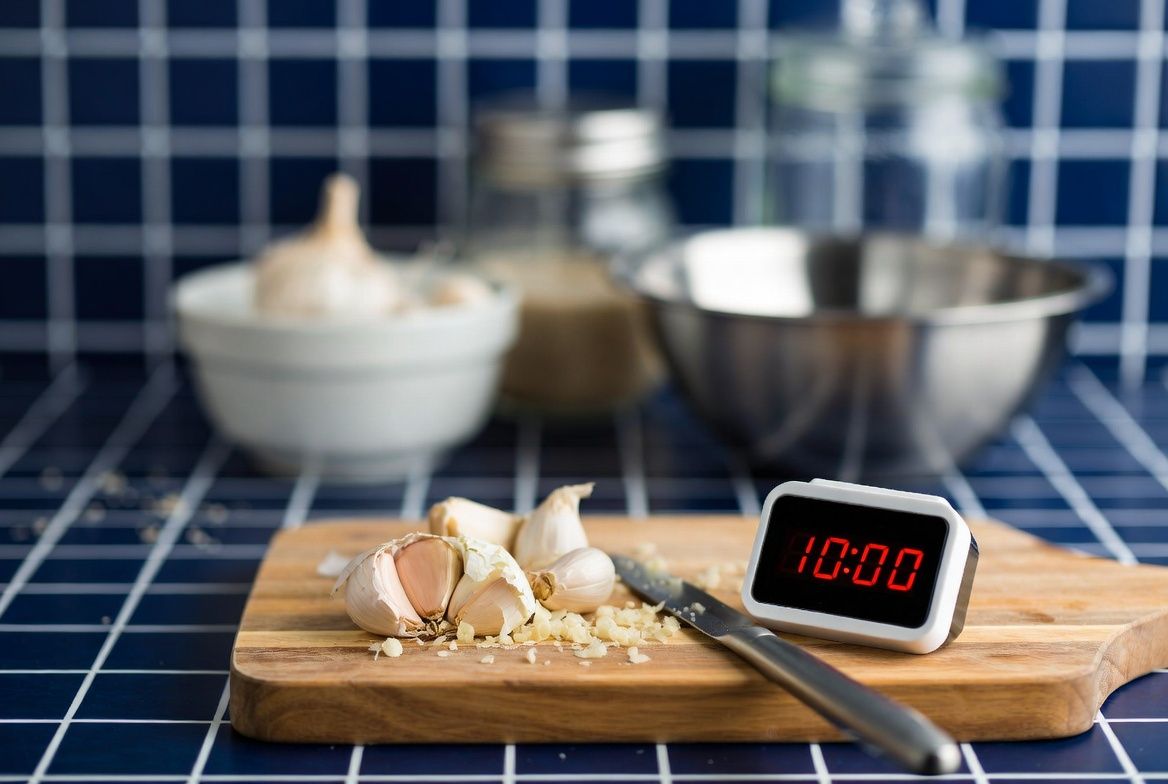
Use raw garlic, not cooked. Crush or mince one clove and wait 10 minutes before eating — this allows alliinase to complete the conversion to allicin. Don’t skip the wait. It matters.
1–2 raw cloves daily is a reasonable functional dose, consistent with the range used in human cardiovascular studies. More is not better here.
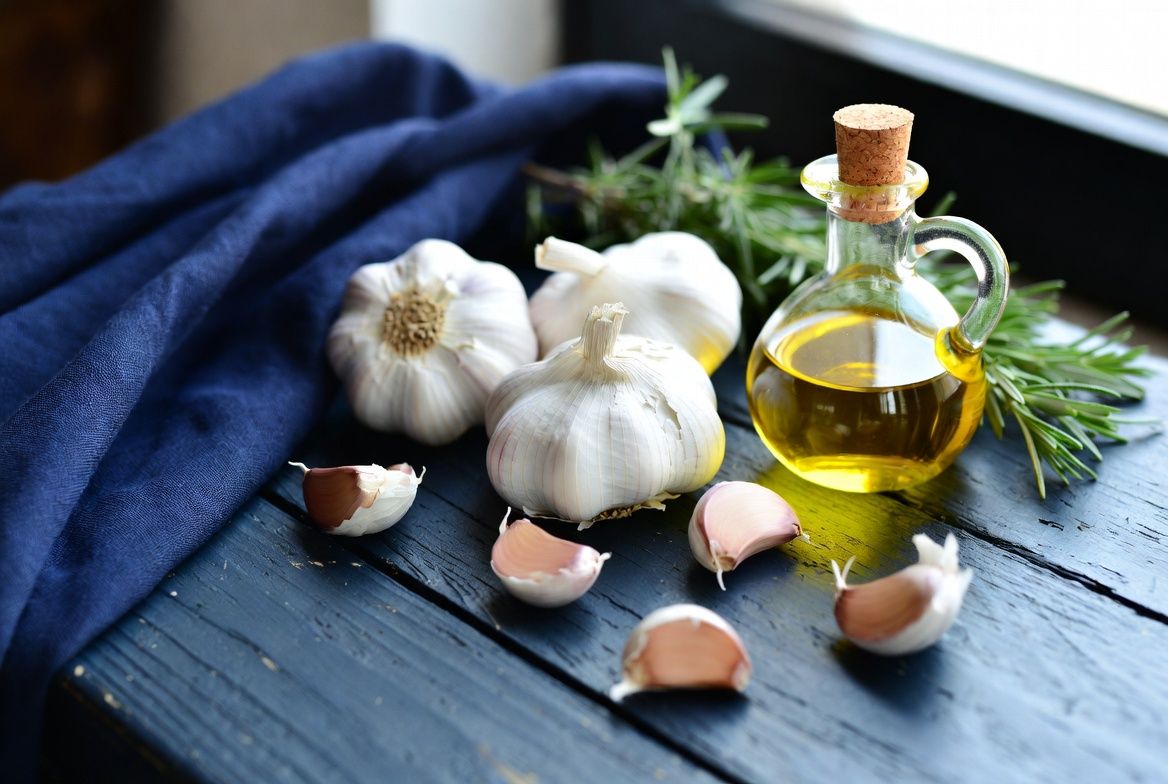
Pair with fat. Organosulfur compounds are lipid-soluble. Consuming garlic with olive oil or avocado improves bioavailability. This is how most traditional Mediterranean diets have used it for generations — not as a supplement, but as a condiment in fat-rich meals.
Consistency beats intensity. The phase II enzyme induction documented in PMID 21381664 is a chronic adaptation. It builds over weeks, not doses.
Don’t rely on garlic alone for selenium. Soil-dependent variation means a single clove may provide anywhere from 3 to 14 µg — far below the 55–200 µg range where selenoprotein activity is optimized.
Garlic vs. Other Decalcification Methods: Where Does It Rank?
Garlic is one piece of a larger picture. Here’s how it compares to other commonly discussed interventions — with one note up front: tamarind is probably the most overrated item on this list relative to the thinness of its evidence base, despite how often it appears in “pineal detox” content.
Garlic ranks as a useful dietary baseline — not a primary intervention. Its most defensible role is as a daily source of organosulfur compounds and variable selenium, within a broader protocol that includes targeted supplementation.
The Bottom Line on Garlic and Your Pineal Gland
Garlic will not decalcify your pineal gland. No compound has done that. Not one.
What garlic offers is a cluster of real mechanisms — allicin-mediated inflammation reduction, organosulfur-driven phase II detoxification, and dietary selenium contribution — that support the biochemical environment the pineal gland needs to function and resist oxidative damage. The strongest link runs through selenium: the pineal selectively accumulates it (PMID 7112096), and garlic delivers it, inconsistently, depending on where it was grown.
That inconsistency is the practical problem. If you want selenium at a reliable, evidence-informed dose alongside other compounds targeting pineal health, Pineal Guardian was formulated with selenium as a core ingredient. It’s not magic. It just solves the one problem raw garlic can’t reliably solve on its own.
Frequently Asked Questions
Does garlic decalcify the pineal gland?
No study has shown garlic directly decalcifies the pineal gland. Garlic contains allicin, organosulfur compounds, and selenium that may protect the pineal from oxidative damage and fluoride-driven calcification — but that's prevention support, not active decalcification.
What does allicin do for the brain?
Allicin has demonstrated anti-inflammatory effects in cell and animal studies, reducing TNF-α, IL-6, and nitric oxide production. Whether it crosses the blood-brain barrier at meaningful concentrations in humans is not yet established — it's a genuine gap in the current research.
How much garlic should I eat for pineal health?
1–2 raw cloves per day is a reasonable functional dose based on cardiovascular and anti-inflammatory research. Crush the clove and wait 10 minutes before eating to maximize allicin formation. Consistency over weeks matters more than any single large dose.
Is raw garlic better than cooked for this purpose?
Yes. Allicin degrades significantly with heat. A 2013 study (PMID 23583806) found that even short-term heating substantially reduced garlic's anti-inflammatory activity. Raw is the only form backed by the relevant mechanism.
What other foods help decalcify the pineal gland?
Foods high in iodine (seaweed, fish), boron (prunes, raisins), and antioxidants (dark leafy greens, turmeric) are commonly included in pineal support protocols. For a full evidence-based breakdown, see our guide: <a href='/blog/how-to-decalcify-pineal-gland-naturally'>How to Decalcify the Pineal Gland Naturally</a>.
Disclaimer: This article is written for informational purposes only and does not constitute medical advice. The statements made regarding garlic, allicin, selenium, and pineal gland health have not been evaluated by the FDA. No supplement or food discussed here is intended to diagnose, treat, cure, or prevent any disease. Always consult a qualified healthcare provider before making changes to your diet or supplement regimen. — Marcus Hale, PinealCode.com
Medical Disclaimer: The content on
PinealCode.com is for informational and educational purposes only. Nothing here
constitutes medical advice, diagnosis, or treatment. Always consult a qualified
healthcare provider before making changes to your health regimen.
Affiliate Disclosure: This article
contains affiliate links. Purchasing through these links may earn us a commission
at no extra cost to you.
Marcus Hale
Independent Researcher · Former Clinical Neuroscientist
I spent 12 years in clinical neurology before the questions got more interesting
than the answers. PinealCode is where I document what I find at the intersection
of brain science and consciousness.