Pineal Gland Foods: Why Most Diet Lists Get It Wrong
By Marcus Hale·
Everyone talks about “pineal gland superfoods.” Eat this berry. Drink that tea. Detox your third eye with cilantro smoothies.
Here’s the problem: most of those lists are confusing two completely different biochemical mechanisms — and once you see the distinction, half the recommendations fall apart.
Your pineal gland needs specific raw materials to produce melatonin. It also accumulates fluoride at concentrations that would alarm you if you saw the numbers. These are two separate problems. They require two separate nutritional strategies. And almost nobody writing about pineal gland foods bothers to separate them.
I spent years in clinical research before I started looking at this gland seriously. What I found wasn’t mystical. It was mechanical. And it changed how I eat.
Let me show you what the actual biochemistry says — and what you should probably stop putting in your body.
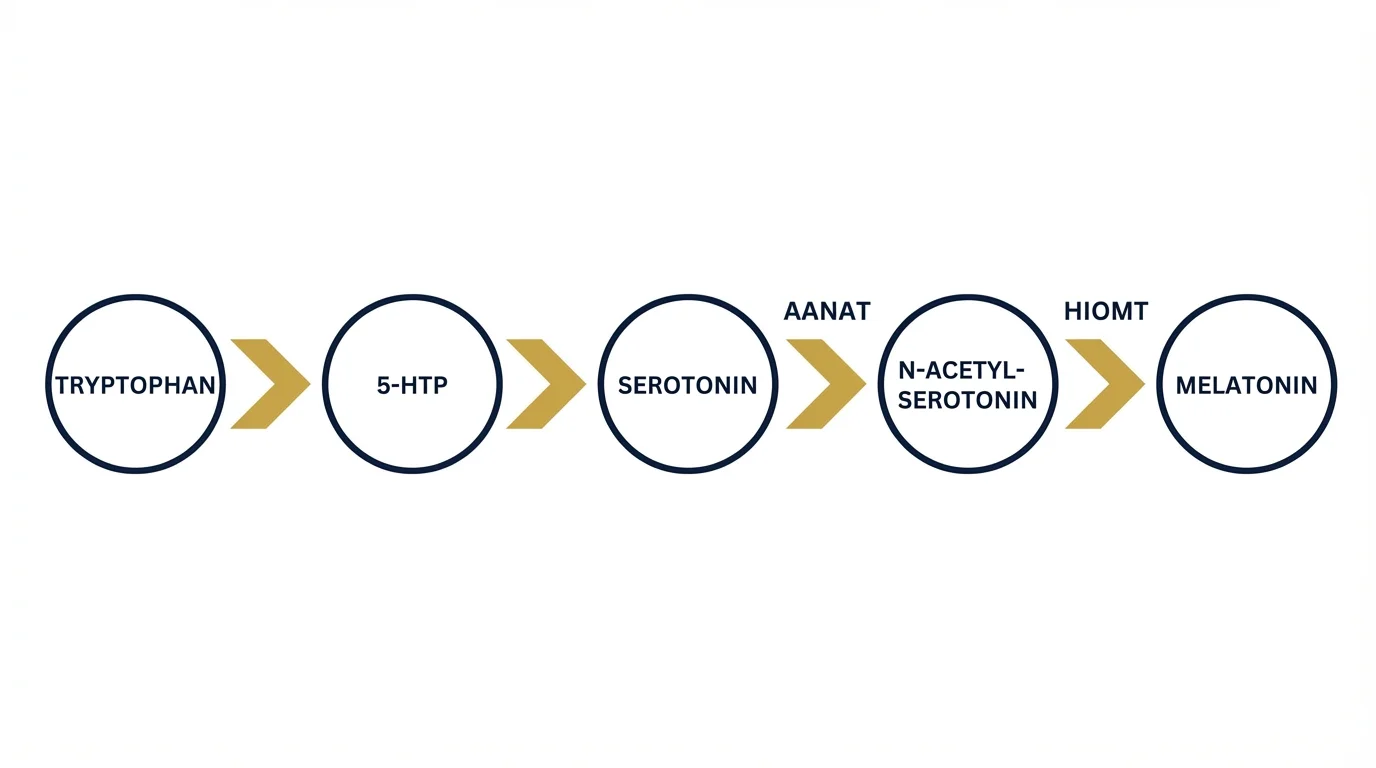
The melatonin synthesis pathway — tryptophan is the raw substrate, AANAT and HIOMT are the rate-limiting enzymes.
The Two Mechanisms Most Articles Confuse
When someone searches for pineal gland foods, they’re usually looking for one thing: a list. Eat these, avoid those, done.
But the gland doesn’t work that way. It has two distinct vulnerabilities, and conflating them is how you end up taking turmeric for melatonin production when turmeric has nothing to do with melatonin synthesis.
Mechanism 1 — Supporting Melatonin Synthesis
The pathway is well-documented: L-tryptophan gets converted to 5-HTP, then to serotonin, then to N-acetylserotonin via the enzyme AANAT, and finally to melatonin via HIOMT. A 2024 study published through PMC confirmed that AANAT is the rate-limiting enzyme in the entire chain.
What this means practically: without enough tryptophan as the raw substrate, your pineal gland can’t manufacture melatonin at night. Period. But tryptophan alone isn’t enough. It needs cofactors. Magnesium activates HIOMT. Zinc supports AANAT. Remove either cofactor and the assembly line slows down, regardless of how much turkey you ate for dinner.
A 2012 review in Food & Nutrition Research noted that the clinical role of these minerals in human melatonin synthesis remains “less studied in this context” — the mechanisms are partly inferred from in vitro and animal models. So we know the pathway. We just haven’t nailed the dose-response curve in living humans yet.
That’s an honest gap. Not a reason to ignore it.
Mechanism 2 — Reducing Calcification
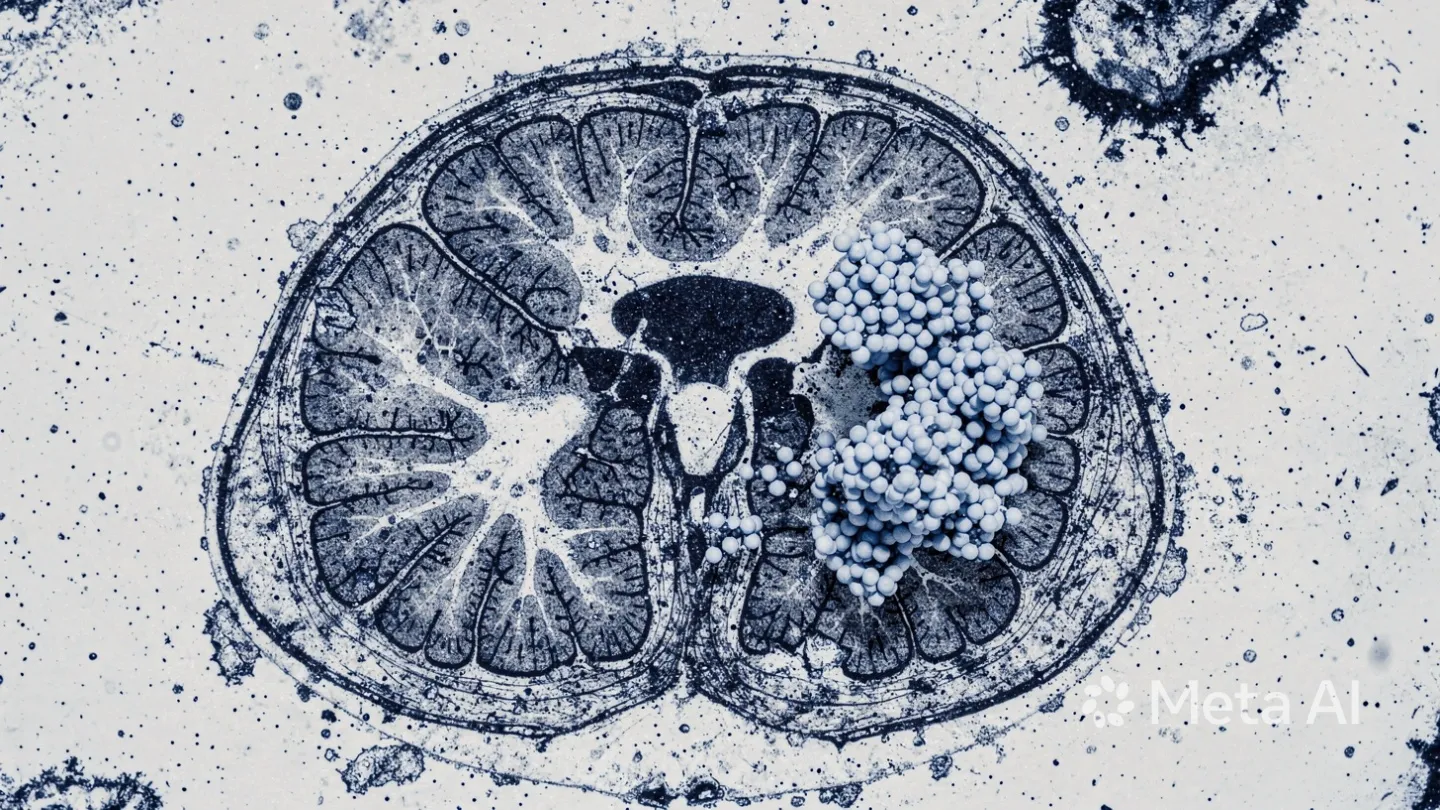
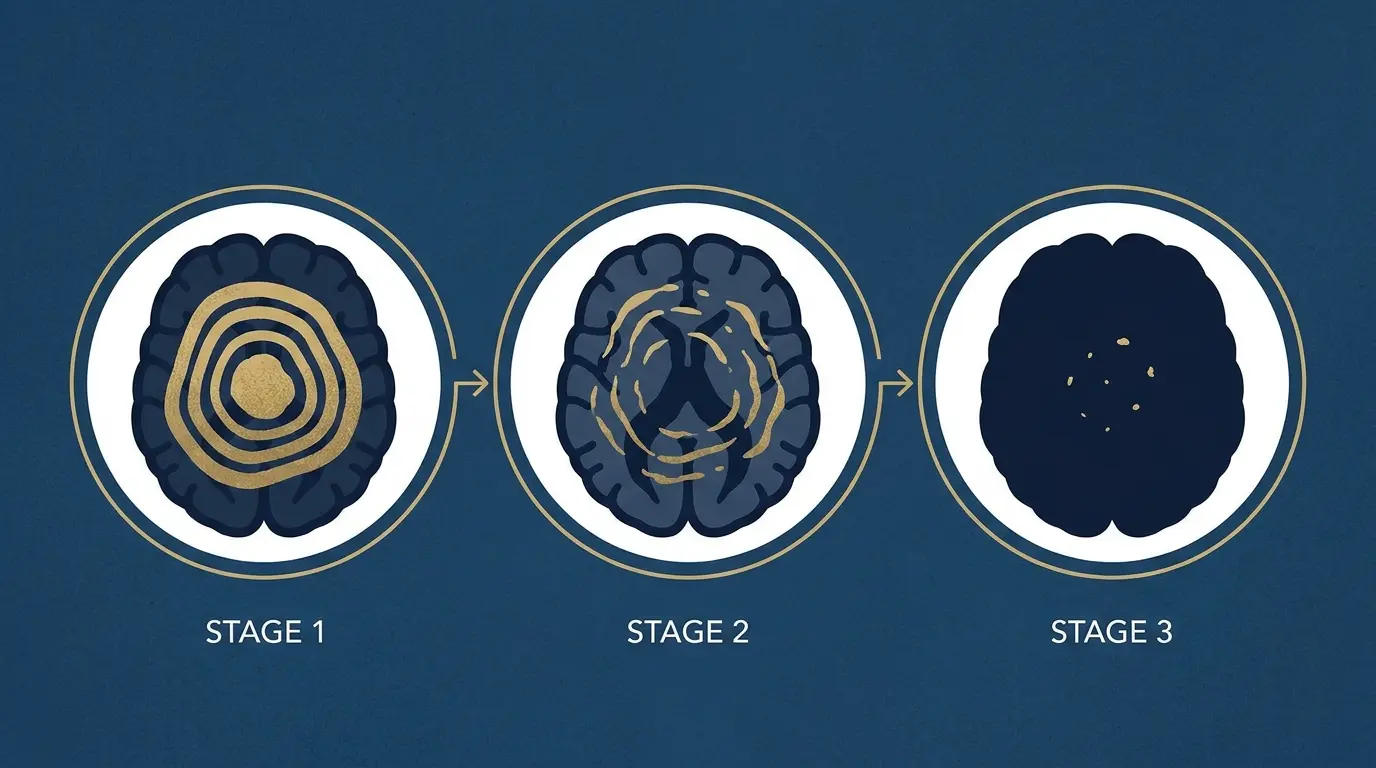
This is the other side. Your pineal gland accumulates hydroxyapatite deposits over time, calcium-phosphate crystals that build up in the tissue. The agents that address this process are entirely different from the ones that feed melatonin production.
Boron increases renal excretion of fluoride. Iodine competes with fluoride for anion transporters. Polyphenols reduce local oxidative stress. None of these “activate” anything. They operate on measurable biochemical pathways. And confusing them with melatonin precursors is like bringing a wrench to a wiring problem.
The 2006 NRC fluoride report is one of those documents that people cite without having actually read. I was guilty of that too, for a while. Work through the pineal-specific sections, though, and the accumulation data is more concrete than most practitioners realize. This isn’t fringe science dressed up as federal language. It’s federal review of decades of federal data.
If the pineal gland is just a vestigial organ with no real importance, why does it accumulate more fluoride than bone tissue and receive more blood flow per gram than almost any other structure in the brain?
Worth sitting with that one.
What Foods Are Good for the Pineal Gland?
It depends on which mechanism you’re targeting. Foods that support melatonin synthesis work through completely different pathways than those that reduce calcification, so the honest answer requires splitting the list in two.
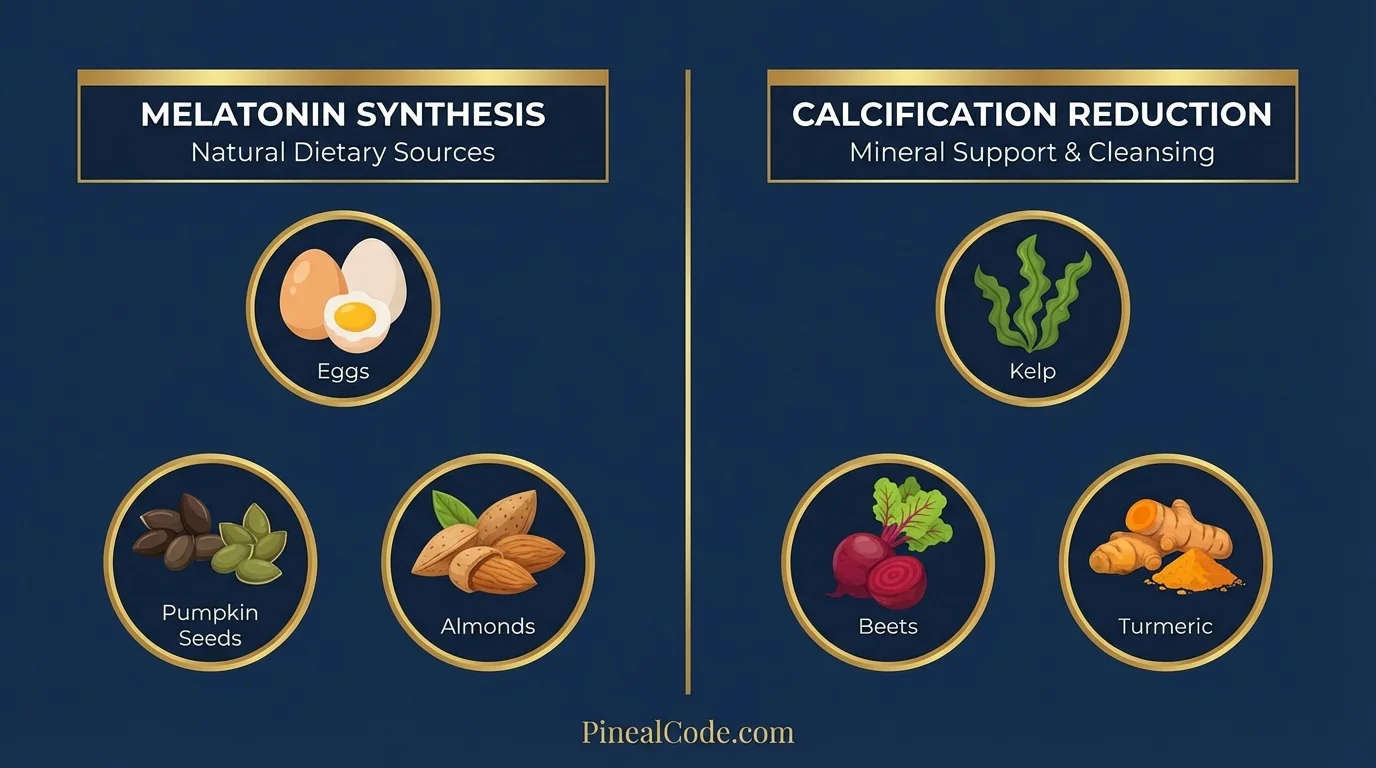
Mechanism
Nutrient
Top Food Sources
Melatonin synthesis
Tryptophan, Magnesium, Zinc
Eggs, pumpkin seeds, turkey, almonds, oysters
Calcification reduction
Boron, Iodine, Polyphenols
Beets, avocado, kelp, raw cacao, turmeric
If you’ve been eating for one mechanism and ignoring the other, you’re solving half the equation.
Two separate nutritional strategies — melatonin synthesis (left) and calcification reduction (right). Most articles treat these as one list.
Best Pineal Gland Foods for Melatonin Production
Tryptophan-Rich Foods
Eggs. Dark turkey meat. Pumpkin seeds. Firm tofu. These aren’t exotic. They’re not expensive. And they contain the one amino acid your pineal gland cannot function without.
Tryptophan is the initial substrate, the raw material that enters the synthesis pathway and, after four enzymatic conversions, becomes melatonin during the dark hours. Without adequate dietary tryptophan, the gland has nothing to work with. No amount of light hygiene or supplement stacking compensates for a substrate deficiency.
Here’s the honest part: while the biochemical pathway from tryptophan to melatonin is well-established, we don’t have a randomized controlled trial that quantifies exactly how much additional dietary tryptophan translates to increased pineal melatonin output in healthy adults. The supplementation studies use doses well above what you’d get from food. So the mechanism is real. The precise dietary dose-response? Still being mapped.
A pineal gland diet that ignores tryptophan is like building a car engine without fuel lines. The architecture is there, but nothing moves.
Magnesium and Zinc — The Overlooked Cofactors
Magnesium: pumpkin seeds, almonds, cooked spinach, raw cacao. Zinc: oysters, lean red meat, hemp seeds.
These two minerals don’t get the attention they deserve. Magnesium activates HIOMT, the final enzyme that converts N-acetylserotonin into melatonin. Zinc is a cofactor for AANAT, the rate-limiting enzyme that controls the bottleneck of the entire pathway.
And here’s what makes this relevant to most readers: subclinical magnesium deficiency is common in Western diets. Not severe enough to trigger symptoms your doctor would catch. Just low enough to quietly impair the enzymatic processes that depend on it.
You’re probably not deficient enough to notice.
You might be deficient enough for it to matter.
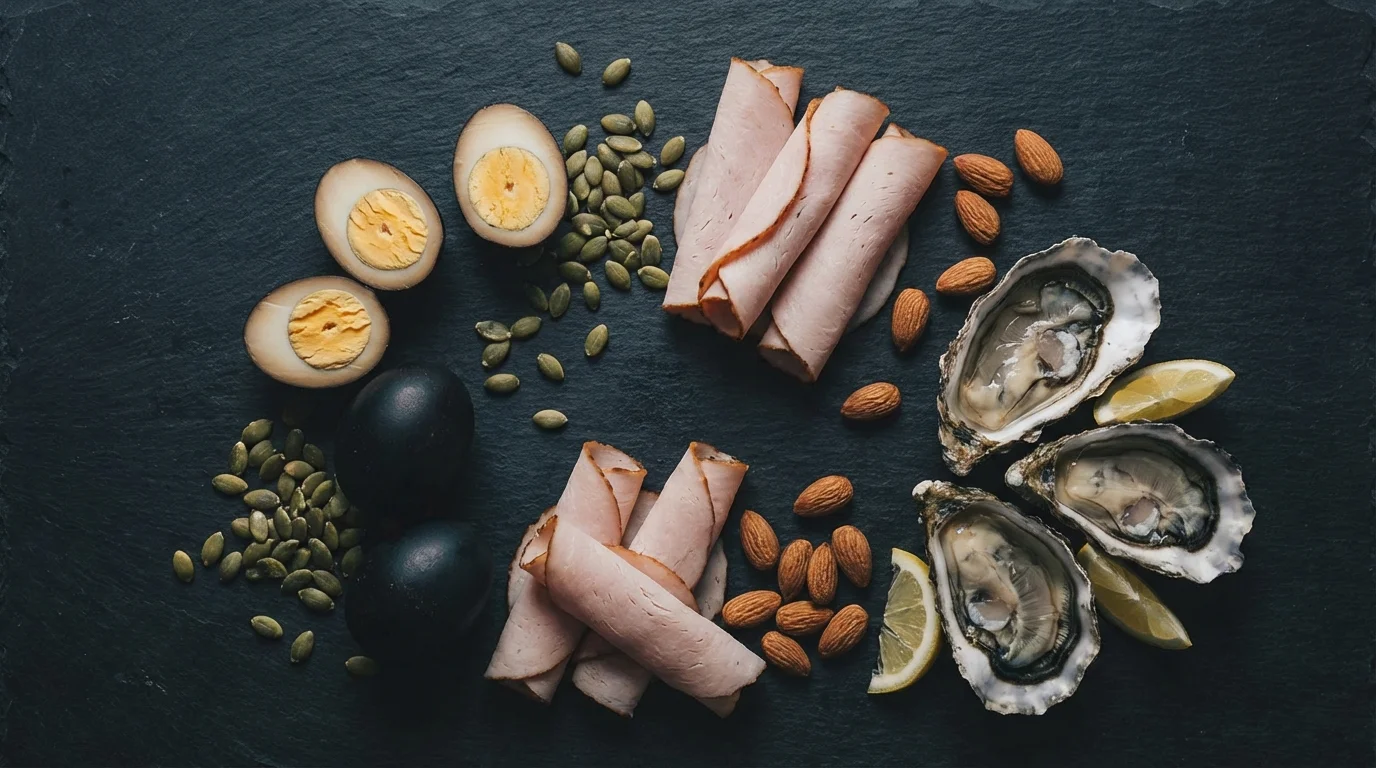
The key melatonin precursor foods — eggs, pumpkin seeds, turkey, and almonds provide tryptophan, magnesium, and zinc in one dietary pattern.
Best Foods for Reducing Pineal Calcification
This is the other half, the one most pineal gland foods articles either skip or muddle into the melatonin section. Different problem. Different nutrients.
Boron-Rich Foods and Fluoride Excretion
Beets, avocado, prunes, broccoli, almonds. Not glamorous. Effective.
Boron increases renal excretion of fluoride — your body removes more fluoride through urine when boron intake is adequate. A 2022 study indexed in PMC found that micronutrient supplementation including boron was associated with significant increases in urinary fluoride excretion. Aim for around 3 mg of dietary boron per day.
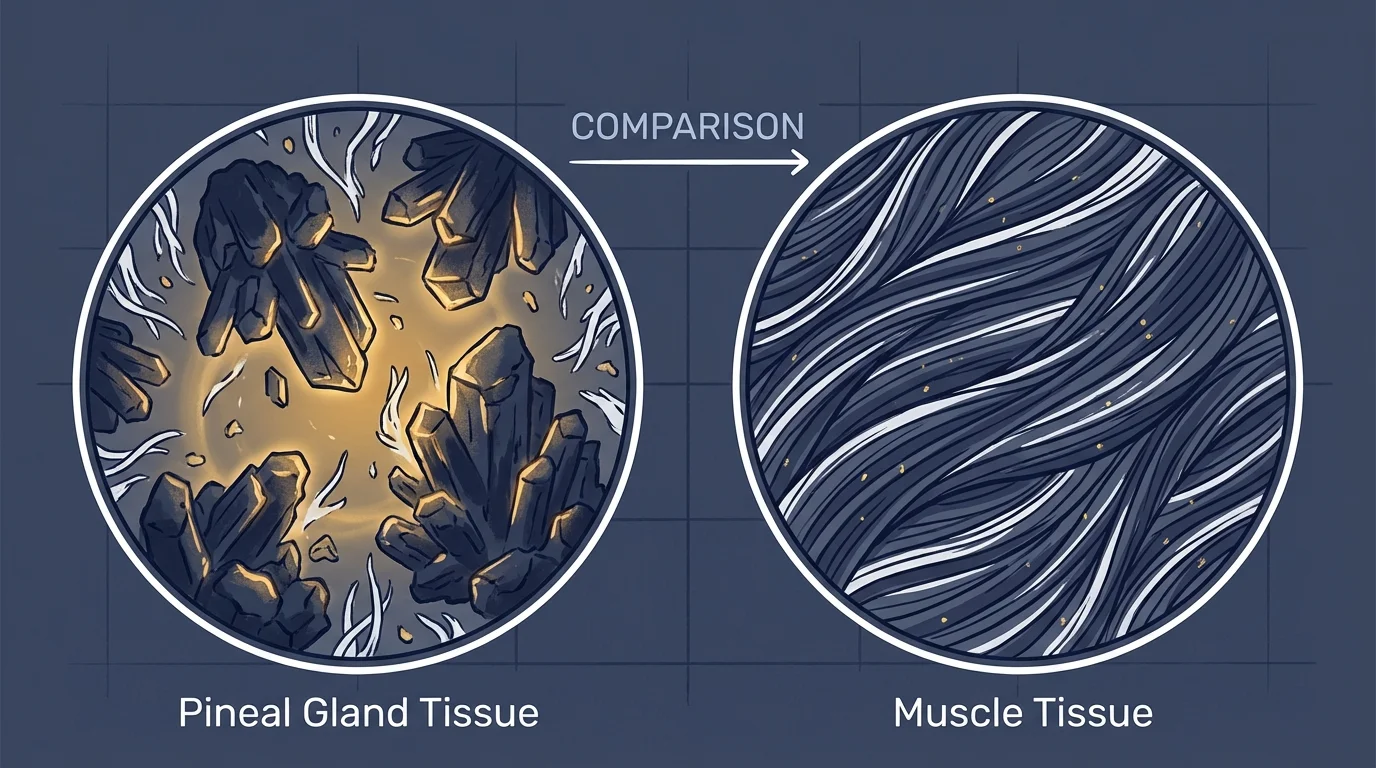
Pineal gland tissue accumulates fluoride at concentrations roughly 594 times higher than muscle, per Luke (2001) in Caries Research, making it the most fluoride-dense soft structure documented in human autopsy data.
Pineal gland tissue vs. muscle tissue — the fluoride concentration difference documented by Luke (2001) is roughly 594x. No other soft tissue comes close.
But I need to be direct about the gap here: the boron-fluoride excretion data comes from renal studies. Nobody has measured whether increased boron intake specifically reduces fluoride in pineal tissue. The mechanism is plausible. It’s just not pineal-specific yet.
Iodine Sources and Fluoride Displacement
Kelp, nori, dulse, cold-water fish, cranberries.
Iodine competes with fluoride for anion transporters. When iodine is present, fluoride gets displaced from binding sites. This mechanism is well-documented in thyroid tissue through the sodium-iodide symporter. Its application to the pineal gland specifically? That’s an extrapolation. An educated one, but still an extrapolation.
Do not supplement iodine without supervision. Excess iodine causes thyroid dysfunction, and the margin between helpful and harmful is narrower than supplement companies want you to believe. If targeted supplementation is part of your protocol, the evidence base for pineal-specific supplements is worth a separate look.
Polyphenols and Antioxidant Defense
Raw cacao for flavanols. Turmeric for curcumin. Blueberries and blackberries for anthocyanins. Organic green tea.
A 2014 study published in PMC found that curcumin reversed fluoride-induced lipid peroxidation in rat brains and restored antioxidant enzyme activity to control levels. Promising, but those doses (30–60 mg/kg body weight) aren’t achievable through cooking with turmeric. Curcumin’s bioavailability from food is low without piperine.
And about that green tea: buy organic. Non-organic tea from Camellia sinensis absorbs fluoride naturally from the soil. So you’d be drinking a polyphenol-rich beverage that simultaneously delivers the exact compound you’re trying to reduce.
Yes, that’s ironic. It’s also real.
Does Fluoride Actually Calcify the Pineal Gland?
Yes — and we have direct tissue evidence. Jennifer Luke’s autopsy research, culminating in a 2001 paper in Caries Research, found that the human pineal gland accumulates fluoride at a mean concentration of 297 mg/kg wet weight. Muscle tissue from the same cadavers averaged 0.5 mg/kg. The correlation between pineal fluoride and pineal calcium was significant (r = 0.73, p < 0.02).
In one specimen, fluoride concentration reached 21,000 ppm. That’s comparable to what you see in skeletal fluorosis.
I used to put this data in the “interesting but inconclusive” category — the accumulation numbers are striking but correlation isn’t causation, so I filed it away. Then I read Luke’s 1997 dissertation. Not the 2001 summary paper. The full animal data. The fluoride-dosed gerbils excreted significantly less of the melatonin metabolite aMT6s. That’s a functional outcome, not just a tissue concentration. It moved me from “notable” to “worth taking seriously.”
I’m still not claiming the case is closed. Pineal calcification increases with age regardless of fluoride exposure, and we don’t have a randomized trial showing that dietary fluoride reduction reverses existing calcification in living humans. Both things can be true: the evidence is real and the evidence is incomplete.
If someone tells you the science is settled on this — in either direction — they’re selling something.
What Foods Should You Avoid for Pineal Gland Health?
Four categories, loosely ranked by the strength of the evidence.
Fluoridated tap water. The most direct route of fluoride to the gland. If you’re serious about this, a reverse-osmosis filter isn’t paranoia. It’s the logical first step given what the tissue data shows.
Non-organic tea. Camellia sinensis plants concentrate fluoride from soil. The very beverage people drink for its antioxidants may be delivering meaningful fluoride loads. Organic varieties grown in low-fluoride soil are the workaround.
Alcohol. This one has the strongest clinical data. A 1993 double-blind crossover study by Röjdmark et al. found that alcohol at just 0.5 g/kg body weight suppressed nighttime melatonin by 41% at midnight. That’s roughly two drinks for a 170-pound person. Not a binge. A Tuesday.
The most impactful change isn’t adding a superfood — it’s removing the consistent sources of fluoride and melatonin suppression.
Ultra-processed foods. Inorganic phosphate additives — common in processed meats, sodas, and frozen meals — may accelerate ectopic calcification by disrupting calcium-phosphorus balance. The evidence here is epidemiological and weaker than the others. But the mechanism is biologically plausible, and you weren’t going to defend frozen pizza anyway.
What This Means for You
The melatonin pathway is real, and the nutrient dependencies are documented. That part isn’t in dispute. Tryptophan, magnesium, zinc — if your diet runs consistently low on these, the gland has less to work with at night.
The calcification question is messier. The tissue data is solid. The animal data is concerning. The mechanism for dietary intervention is biologically coherent. But “biologically coherent” isn’t the same as “proven to work in living humans,” and I’m not going to pretend otherwise.
What I actually do: filter my water, make sure I’m getting adequate dietary tryptophan, and don’t drink in the hours before sleep. Nothing radical. Just closing the most obvious gaps first.
That’s not mystical advice. It’s mechanical. And it’s enough to act on today.
Frequently Asked Questions
What foods are good for the pineal gland?
Foods split by mechanism: for melatonin synthesis, prioritize tryptophan (eggs, pumpkin seeds, turkey), magnesium, and zinc. For calcification reduction, focus on boron-rich foods (beets, avocado), iodine sources (kelp, nori), and polyphenols (raw cacao, turmeric).
Does fluoride actually calcify the pineal gland?
Yes — the pineal gland accumulates more fluoride than any other calcified tissue in the body, per autopsy studies. Whether this impairs melatonin production depends on the degree of calcification, which also increases naturally with age.
What foods should you avoid for pineal gland health?
Avoid fluoridated tap water, non-organic tea (high in natural fluoride), alcohol (measurably suppresses melatonin secretion), and ultra-processed foods containing inorganic phosphates, which may accelerate ectopic calcification.
What nutrients does the pineal gland need to produce melatonin?
The key nutrients are tryptophan (precursor substrate), magnesium (activates the enzyme HIOMT), and zinc (cofactor for AANAT). Without these three, the melatonin synthesis pathway is rate-limited regardless of other interventions.
Marcus Hale is an independent researcher and former clinical neuroscientist. The content on PinealCode.com is for informational purposes only and does not constitute medical advice.
Medical Disclaimer: The content on
PinealCode.com is for informational and educational purposes only. Nothing here
constitutes medical advice, diagnosis, or treatment. Always consult a qualified
healthcare provider before making changes to your health regimen.
Marcus Hale
Independent Researcher · Former Clinical Neuroscientist
I spent 12 years in clinical neurology before the questions got more interesting
than the answers. PinealCode is where I document what I find at the intersection
of brain science and consciousness.