9 min read
Fluoride Pineal Gland Calcification: Myth or Real?
One peer-reviewed study found 9,000 ppm of fluoride in human pineal glands — 18,000x more than in muscle. Here's what that data means, what...
May 11, 2026
Read →

Most rankings of pineal gland supplements exist for one reason: to sell you something. The evidence comes second — or doesn’t come at all.
I spent several months pulling peer-reviewed research on every compound marketed for pineal health. What I found doesn’t match most of what’s out there. Some things I expected to score well didn’t. One thing I’d never considered is probably what moves the needle most.
Every supplement here is ranked by an evidence score built on four criteria: human studies, mechanism clarity, safety profile, and dose evidence. If something lacks a plausible biological pathway connecting it to pineal function, it’s not on this list. If the mechanism exists but the evidence is thin, I’ll say exactly how thin.
These pineal gland supplements cover general pineal health — melatonin synthesis, oxidative protection, fluoride displacement — not just calcification. If calcification is your specific focus, the dedicated decalcification protocol goes deeper on that angle. What follows is the full picture.
Four criteria. Each weighted equally. No special treatment for popular ingredients with weak evidence.
Human studies — Randomized controlled trials in humans beat animal models, which beat in vitro data. Always.
Mechanism clarity — Is there a documented biological pathway connecting this compound to pineal function, melatonin synthesis, or fluoride displacement? “Antioxidant” alone doesn’t qualify.
Safety profile — Known toxicity, drug interactions, and contraindications factor into the score. A useful supplement that causes harm at realistic doses drops.
Dose evidence — Is there a studied dose range in the literature, or is the field guessing? This is where most supplements quietly fail.
Each supplement gets an Evidence Score from 0 to 10. I calculated these against the literature. They’re not marketing numbers.
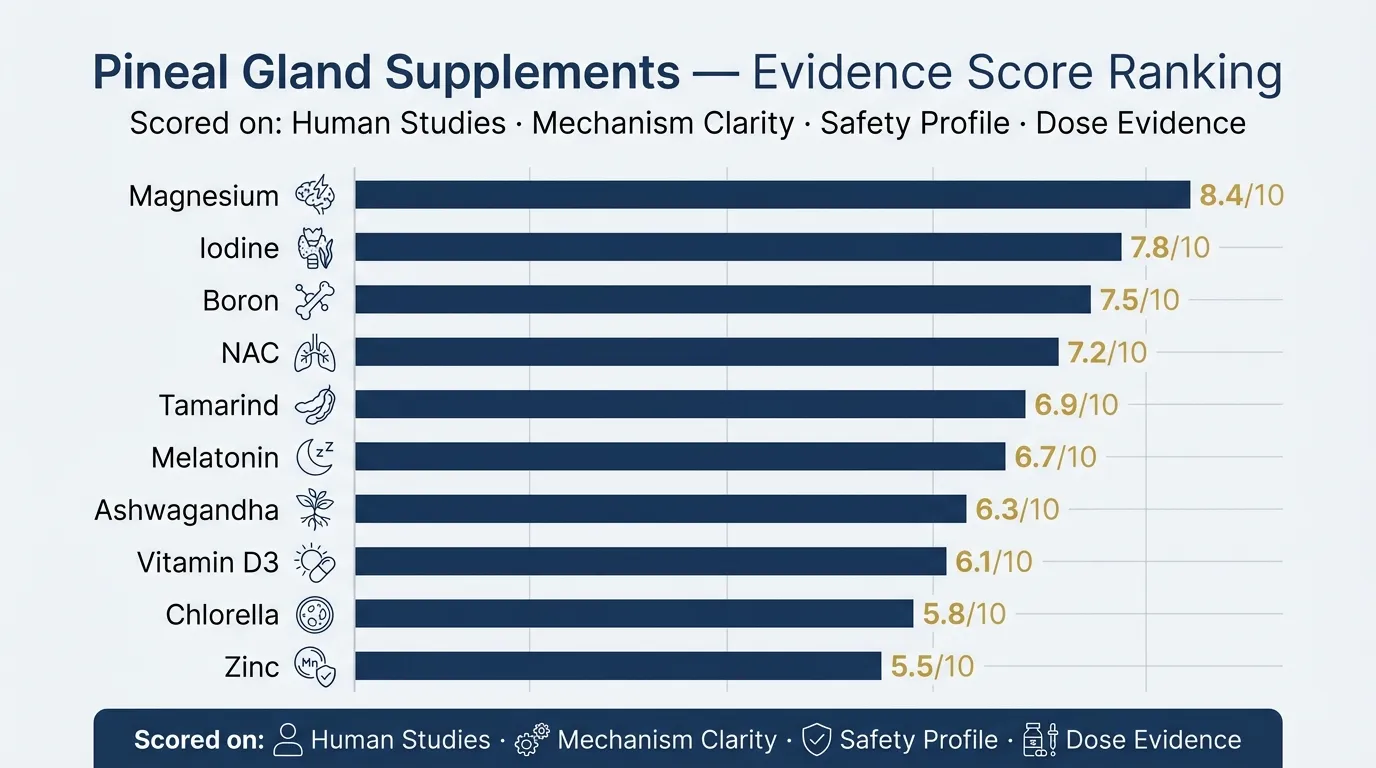
These aren’t supplements that claim to support pineal function. These are the ones where the research — imperfect as it is — gives you something to work with.
Magnesium is the most underrated entry point for pineal support, and the mechanism is direct enough to be worth understanding. The pineal gland synthesizes melatonin through an enzymatic chain — and magnesium potentiates N-acetyltransferase (NAT), the rate-limiting enzyme in that chain. A study indexed under PubMed ID 3831319 found elevated magnesium levels increase pineal NAT activity in animal models.
That’s animal data. I know. But the safety profile is excellent, the human sleep data is solid in combination studies, and the mechanism makes biological sense.
Form matters more than most people realize. Magnesium glycinate or threonate are most likely to cross the blood-brain barrier and reach central nervous system tissue. Magnesium oxide is cheap. It’s also the form least likely to do anything neurologically useful.
Dose: 200–400 mg/day. If you’re only adding one thing, start here.
Deep dive: Magnesium and the pineal gland — mechanism and dosing
The pineal gland concentrates more iodine than any organ in the body except the thyroid. That’s not a spiritual claim — it’s documented anatomy.
The mechanism runs through fluoride displacement. Fluoride and iodide compete for the same cellular transporters. When iodine is adequate, fluoride has fewer routes into sensitive tissue. When iodine is low — and inland populations eating unprocessed sea salt without iodization are more vulnerable than they realize — fluoride accumulates more readily.
Here’s where I want to be honest: no high-credibility study has directly shown iodine supplementation decalcifies the human pineal gland. The benefit is probably thyroid-mediated, with downstream effects on circadian regulation and melatonin output. That indirect chain still matters — I just don’t want to oversell it.
Dose: 150–300 mcg/day. Don’t push past the 1,100 mcg tolerable upper limit without a clinical reason. High-dose iodine suppresses thyroid function in sensitive individuals — the opposite of what you’re after.
Full iodine and pineal gland mechanism breakdown
Most people haven’t heard of this one.
That’s the point.
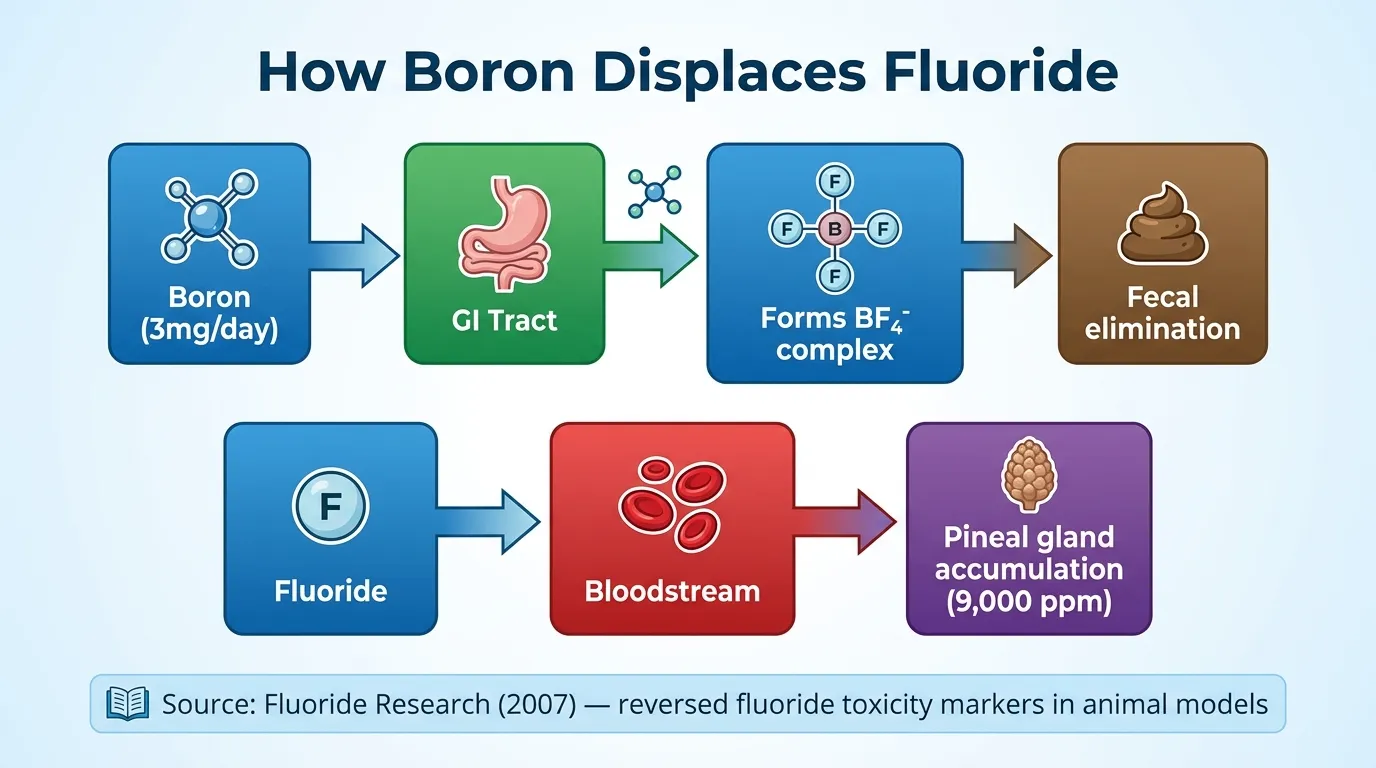
Boron forms boron-fluoride complexes (BF₄⁻) in the GI tract, facilitating fecal elimination of fluoride before it reaches systemic circulation. A 2007 study in Fluoride Research found boron supplementation reversed fluoride toxicity markers in animal models and measurably increased urinary fluoride excretion.
The limitation is real: that study used buffalo calves. The dose-to-human translation is inferred from mechanism, not validated in a human trial with a pineal endpoint. I used to think this gap was a dealbreaker. Then I looked at the mechanism more carefully and the dose — 3 mg/day, well within safety range — and I’m genuinely surprised this hasn’t been replicated in humans yet. The absence of that study says more about research funding in this field than about boron’s potential.
Dose: 3 mg/day.
Boron and pineal decalcification — what the evidence actually shows
NAC is the precursor to glutathione — the body’s primary intracellular antioxidant. Oxidative damage accelerates pineal calcification and reduces melatonin output. Those two facts connect NAC to the pineal gland more directly than most people give it credit for.
A 2014 review in Brain and Behavior (PMC3967529) confirmed NAC’s neuroprotective role across multiple neurological models: reduction of oxidative damage to lipids, proteins, and mitochondrial DNA. No human trial has tested NAC with a pineal-specific endpoint. The benefit is inferred from a general neuroprotective profile applied to a structure we know is oxidatively vulnerable.
That inference is reasonable. The pineal gland receives one of the highest blood flow rates per gram of any brain structure. More blood flow means more exposure to circulating oxidative stress. NAC addresses exactly that mechanism.
Dose: 600–1,200 mg/day. Well-tolerated. One of the cleaner stack additions.
NAC and pineal gland oxidative protection — mechanism overview
This is the most underreported finding in this space. And it’s the only item on this list with direct human evidence for fluoride excretion.
A 2002 study by Khandare et al. in the European Journal of Clinical Nutrition found that 10 grams of tamarind daily for 18 days increased urinary fluoride excretion by 37% — from 3.5 to 4.8 mg/day — in a group of schoolboys in a high-fluoride region. A 2004 follow-up from the same team (PubMed ID: 15105030) found tamarind mobilized fluoride already deposited in bone.
Now — the honest accounting. N=18. Male adolescents only. High-endemic fluoride area. Eighteen days. The population is narrow enough that extrapolating to adults with typical fluoride exposure is a real leap.
But it’s human data on fluoride excretion. In this literature, that’s rare enough to matter.
Full tamarind and fluoride excretion breakdown — Khandare et al. explained
Melatonin supplementation does not activate your pineal gland. It doesn’t restore endogenous production. What it does is replace the hormone when your pineal gland’s output is compromised — by calcification, aging, light pollution, or cortisol dysregulation.
That’s a meaningful distinction. You’re compensating, not fixing.
The evidence for exogenous melatonin is solid for sleep-onset disorders, jet lag, and shift work disruption. It also has direct antioxidant properties that may slow oxidative damage to pineal tissue — which is the more interesting mechanistic angle for long-term use.
One thing most guides skip: the typical over-the-counter dose is 5–10 mg. That’s pharmacological, not physiological. High doses can suppress endogenous production via negative feedback — which is exactly what you don’t want if supporting pineal function is the goal.
Dose: 0.5–3 mg, 30–60 minutes before sleep. Start low.
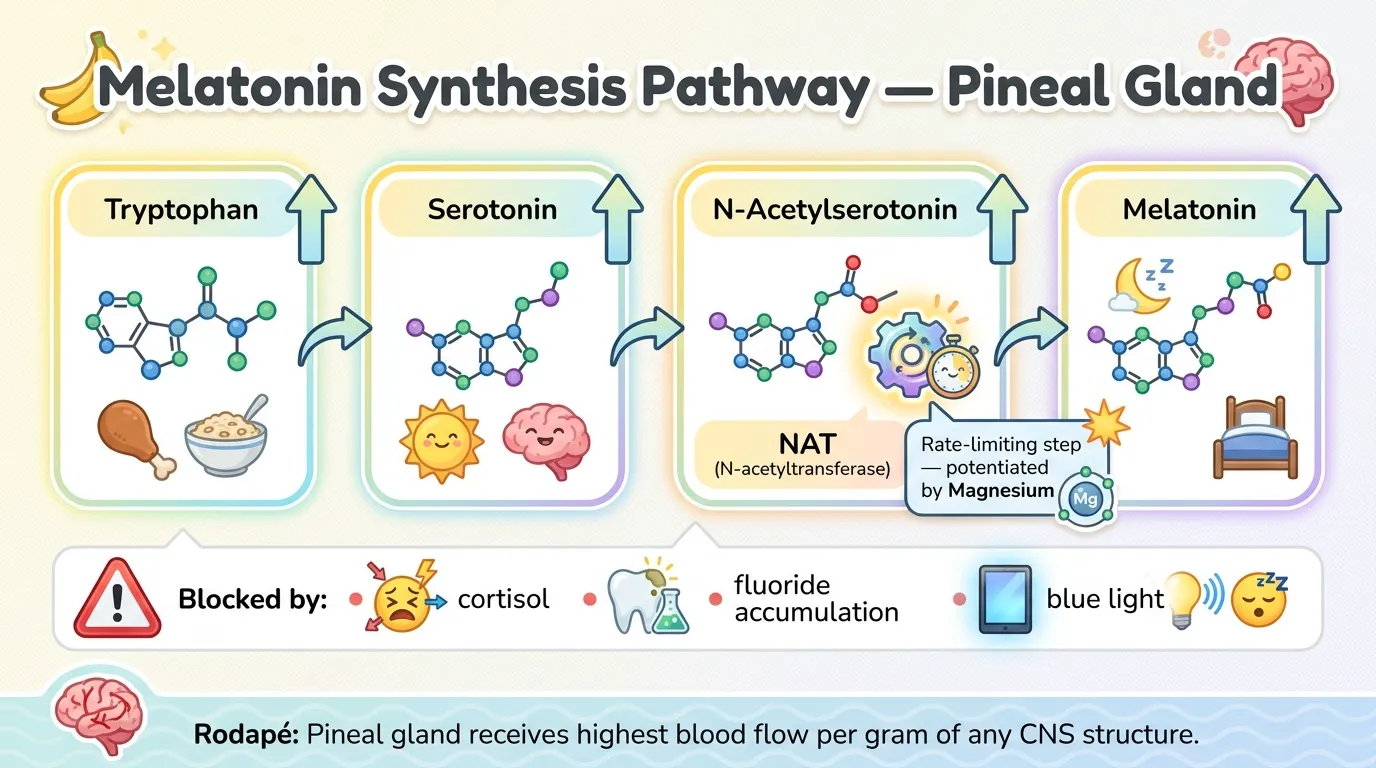
Ashwagandha’s connection to the pineal gland is indirect but mechanistically real. Chronic cortisol elevation suppresses melatonin synthesis — the HPA axis activation reduces pineal NAT activity, the same enzyme magnesium supports. Ashwagandha reduces that suppression.
Multiple RCTs found 600 mg/day of KSM-66 produced a 32% reduction in serum cortisol and a 38% reduction on the Perceived Stress Scale. A separate trial found 300 mg twice daily for 10 weeks improved sleep efficiency and reduced anxiety by 22%.
No study measures ashwagandha’s effect on pineal melatonin output directly. The mechanism is upstream — cortisol-mediated, not pineal-direct. That’s why the score sits at 6.3. But if chronic stress is part of your sleep disruption, this addresses the problem at its source rather than compensating downstream.
Dose: 300–600 mg of KSM-66 extract. Standardized extract matters here — not all ashwagandha products are equivalent, and most don’t disclose which.
Ashwagandha and pineal gland — the cortisol connection
Vitamin D3 and melatonin occupy two sides of the same regulatory axis. D3 is synthesized during daylight. Melatonin is synthesized in darkness. Both run through the same circadian master clock — a 2023 paper in PNAS described this as complementary neuroendocrine regulation.
A 2025 systematic review (PMC12171172) confirmed dose-dependent associations between vitamin D status and sleep disorders. Deficiency is common — global estimates put 40–50% of people below optimal range. The mechanistic link to melatonin synthesis runs through vitamin D receptors on neurons regulating circadian gene expression.
What we don’t have: a clean human trial showing D3 supplementation directly increases pineal melatonin output. The relationship is regulatory, not synthetic. Still worth including in a stack — particularly with K2 to direct calcium away from soft tissue.
Dose: 1,000–2,000 IU/day. Pair with K2 (MK-7 form) if calcification is a concern.
Chlorella’s mechanism is chelation. The cell walls contain negatively charged binding sites that attract heavy metals — lead, mercury, cadmium — and carry them out through fecal excretion. A 2012 animal study found chlorella reduced lead absorption by 60%. In vitro studies showed 90–95% cadmium binding efficiency in simulated intestinal fluid.
Does chlorella specifically protect pineal tissue? No study has tested that endpoint. The benefit is inferred from systemic heavy metal reduction applied to a highly vascularized brain structure. That inference is reasonable but not proven.
The score reflects the gap. Chlorella is safe, the chelation mechanism is real, the pineal endpoint is unconfirmed. Add it to a stack if heavy metal exposure concerns you — but don’t expect it to work as a primary pineal intervention.
Dose: 3–5 g/day. Most capsule products deliver far less than this at standard serving sizes.
Zinc closes the list — not because it’s unimportant, but because the evidence connecting it specifically to pineal function is thinner than the sleep data suggests.
The established part: zinc is a cofactor in the enzymatic synthesis of both serotonin and melatonin. A 2017 study (PMC5713303) confirmed serum zinc correlates with sleep regulation. A 2020 CASI review found zinc supplementation increased melatonin production in deficient individuals. Deficiency in older adults is particularly underdiagnosed.
Most of this is observational or animal-model data. The direct pathway — zinc deficiency → reduced pineal NAT activity → reduced melatonin — is biologically plausible. Human RCTs with melatonin as the endpoint are still sparse.
Dose: 15–30 mg/day. Don’t exceed this. Zinc at high doses suppresses copper absorption — a real secondary risk that most supplement articles conveniently don’t mention.
Building a 5-supplement stack works if you’re tracking your regimen carefully. For everyone else, formulated combinations exist. Two products lead this category — built on fundamentally different theories of what pineal support means.
Pineal XT leads with iodine and turmeric, backed by chlorella, schisandra, chaga, amla, and burdock root. The strongest case for this formula isn’t the one the marketing makes. It’s this: if you’re iodine-deficient — more people are than realize, especially those who’ve switched to unprocessed sea salt — this formula could restore the endocrine coordination that governs sleep quality. Nothing mysterious. Just thyroid function doing its job again.
The weak spot: proprietary blend means individual doses aren’t disclosed. You can’t confirm what you’re actually getting. Trustpilot reviews skew positive for sleep and stress improvements and negative when users expected spiritual effects. That gap between expectation and mechanism is predictable.
If sleep and stress support built around iodine and adaptogens is the goal: worth trying. The 365-day money-back policy lowers the risk substantially.
Full Pineal XT review — ingredients, doses, and verdict
Quick Verdict — Pineal XT
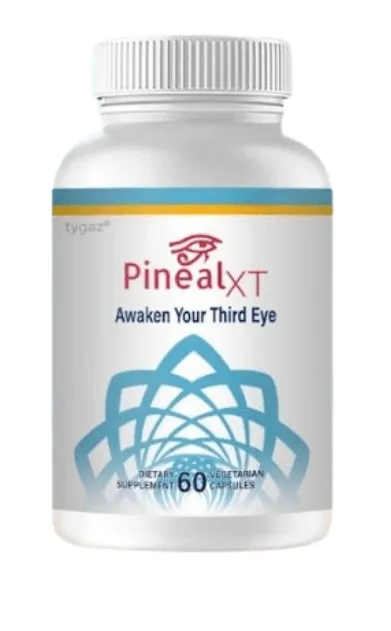
Leads with iodine and turmeric — the two ingredients with the most direct relevance to fluoride displacement and anti-inflammatory support. Proprietary blend limits dose transparency, but the mechanism is coherent and the 365-day guarantee removes financial risk.
Pineal Guardian takes a different angle. Its formula includes Lion’s Mane, Bacopa Monnieri, pine bark extract, and Ginkgo biloba — ingredients with direct human cognitive research behind them. Lion’s Mane has RCT data on mild cognitive impairment. Bacopa has a well-characterized memory consolidation mechanism confirmed across multiple trials at 300 mg standardized extract.
This isn’t a detox formula. It’s a nootropic formula with chlorella added for chelation support. The overlap with the supplement list above is real.
The honest issue: Lion’s Mane requires around 3,000 mg/day to match clinical trial doses. No liquid drop formula at typical serving sizes gets close. The mechanism is there. The dose transparency isn’t.
If memory, focus, and long-term cognitive function are the primary targets: the ingredient profile points here.
Full Pineal Guardian review — ingredients, doses, and verdict
Quick Verdict — Pineal Guardian
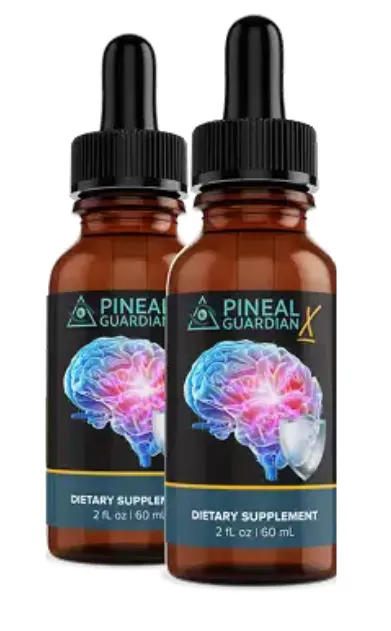
A nootropic-forward formula built around Lion's Mane, Bacopa, and Pine Bark — ingredients with direct human RCT support for cognitive function. Chlorella adds chelation support. Better suited for memory and focus goals than for sleep or fluoride displacement specifically. 365-day guarantee.
| Pineal XT | Pineal Guardian | |
|---|---|---|
| Format | Capsules (2/day) | Liquid drops (1/day) |
| Strongest ingredients | Iodine, Turmeric | Lion’s Mane, Bacopa, Pine Bark |
| Primary mechanism | Fluoride displacement + anti-inflammatory | Nootropic + chelation |
| Adaptogenic support | Yes (Schisandra, Chaga) | No |
| Best for | Sleep, stress, wellness | Memory, focus, cognition |
| Guarantee | 365 days | 365 days |
| Evidence overlap with list | Iodine (#2), Chlorella (#9) | Chlorella (#9), Zinc (via formula) |

There’s a supplement for every claim in this space. There’s always a supplement for that.
“Third eye activator” formulas without active ingredients. If a product claims to activate your third eye and the ingredient list is crystals, charged water, or undefined frequency-enhanced compounds, there’s no biological mechanism at work. René Descartes called the pineal gland the seat of the soul in 1649. That framing has sold a lot of capsules since. It has not produced a clinical trial.
Ultra-high-dose iodine without medical supervision. Some communities circulate regimens of 3,000–50,000 mcg/day. At those levels, iodine suppresses thyroid function in the very individuals trying to support it. The tolerable upper limit is 1,100 mcg/day for a reason.
Unverified heavy metal formulas. Some products use “detox” language while themselves containing unverified raw materials. No third-party testing documentation means no way of knowing what’s actually in the capsule.
Single-ingredient mega-dose formulas promising calcification reversal in 30 days. No oral supplement has shown this in published human trials. Products making that claim are selling something the literature doesn’t support.
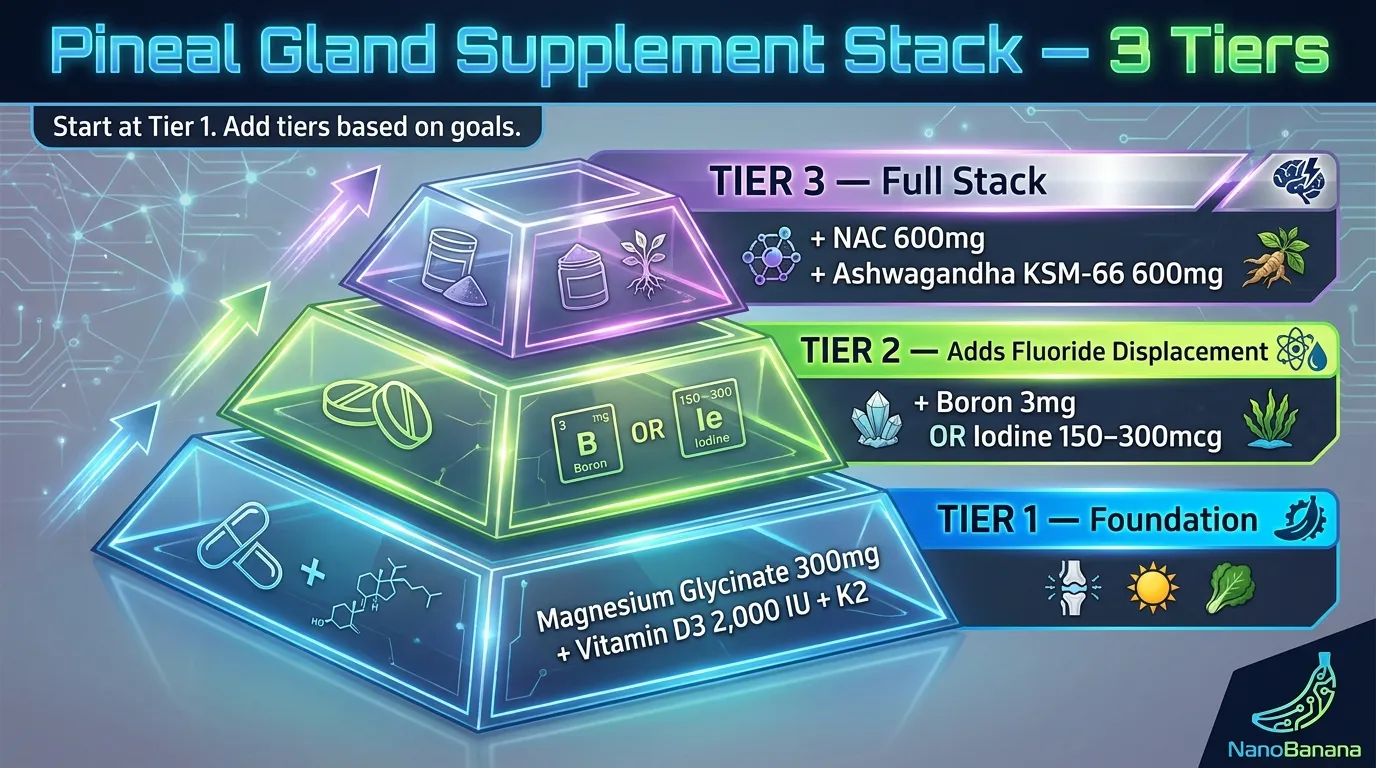
Three tiers. Start where your budget and goals are — not at the top.
Tier 1 — Foundation Magnesium glycinate (300 mg/day) + Vitamin D3 (2,000 IU/day) with K2. Best safety profile. Most defensible indirect mechanism. If you only do two things, these are the two.
Tier 2 — Intermediate (Adds Fluoride Displacement) Tier 1 + Boron (3 mg/day) or Iodine (150–300 mcg/day). One fluoride-displacing compound builds on the foundation. Don’t stack both without knowing your current iodine status first.
Tier 3 — Full Stack Tier 2 + NAC (600 mg/day) + Ashwagandha KSM-66 (300 mg 2×/day). Complete protocol: oxidative protection, cortisol management, fluoride displacement, melatonin synthesis support.
The all-in-one options above cover multiple tiers in a single formula — the tradeoff being dose transparency. For the calcification-specific side of this stack, the best supplement to decalcify the pineal gland guide is the next logical read.
Marcus Hale is an independent researcher and former clinical neuroscientist. The content on PinealCode.com is for informational purposes only and does not constitute medical advice.
One peer-reviewed study found 9,000 ppm of fluoride in human pineal glands — 18,000x more than in muscle. Here's what that data means, what...
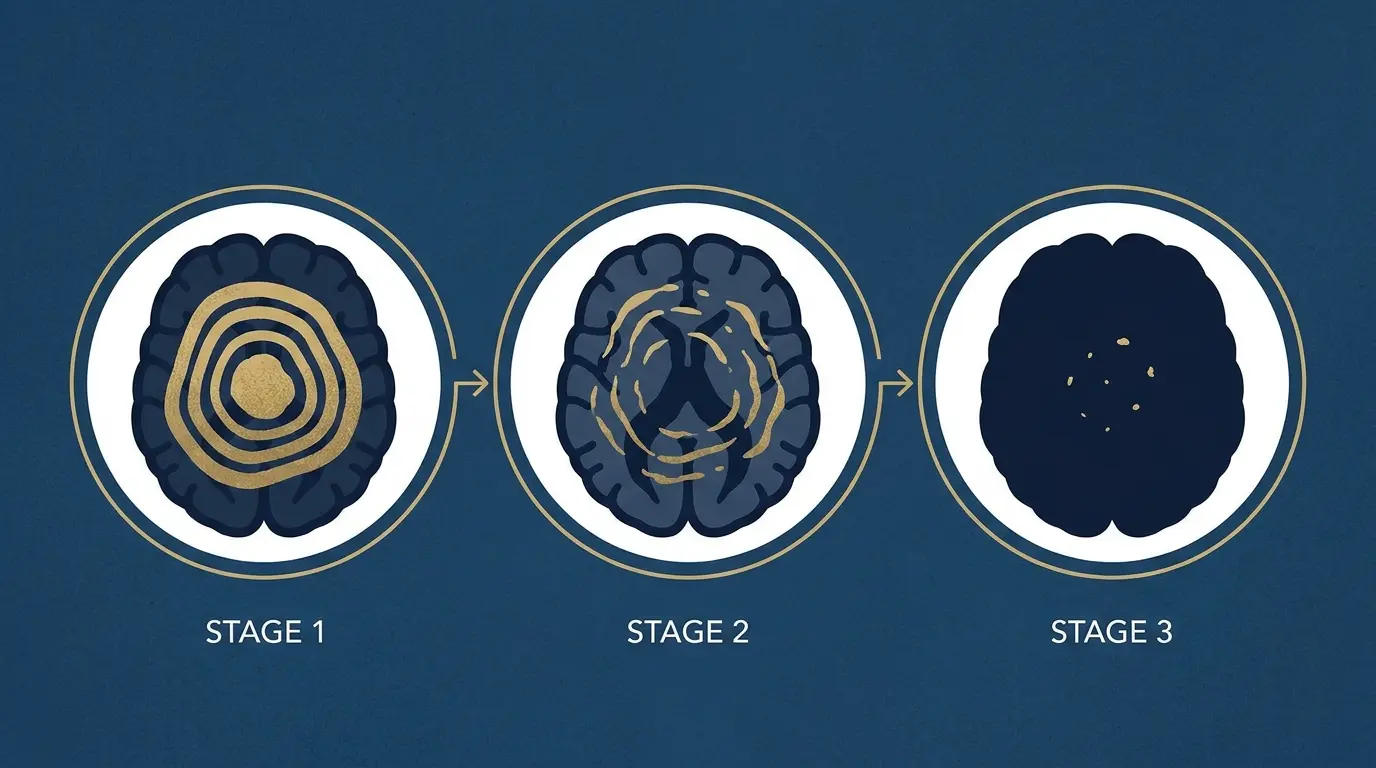
61.65% of adults have pineal calcification — and the internet promises a 30-day fix. Actual research timeline: 3–6 months. Week-by-week...
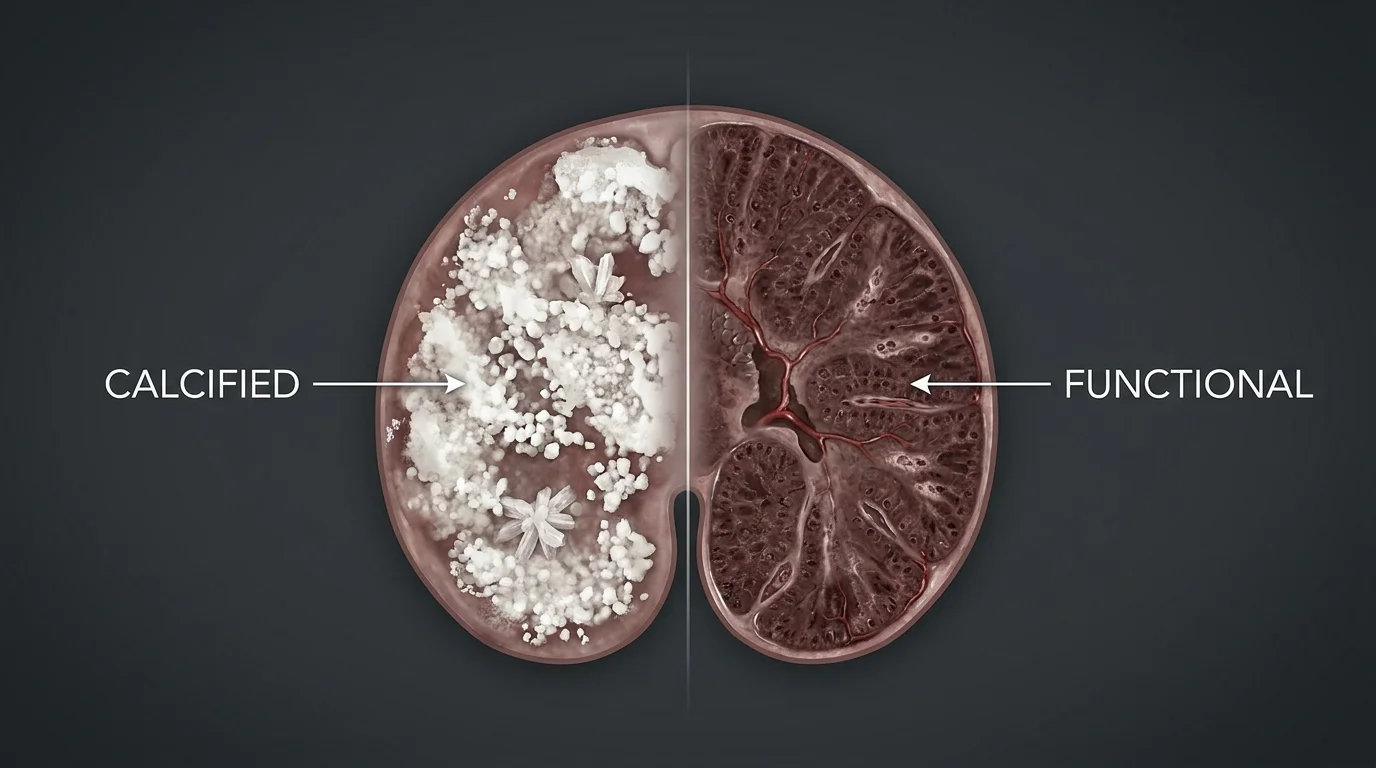
Most doctors say pineal calcification is irreversible. But peer-reviewed research found it can reverse — if you hit the right conditions....

Marcus Hale
Independent Researcher · Former Clinical Neuroscientist
I spent 12 years in clinical neurology before the questions got more interesting than the answers. PinealCode is where I document what I find at the intersection of brain science and consciousness.