Tamarind Pineal Gland: The Only Food With a Human Study (2026)
By Marcus Hale·
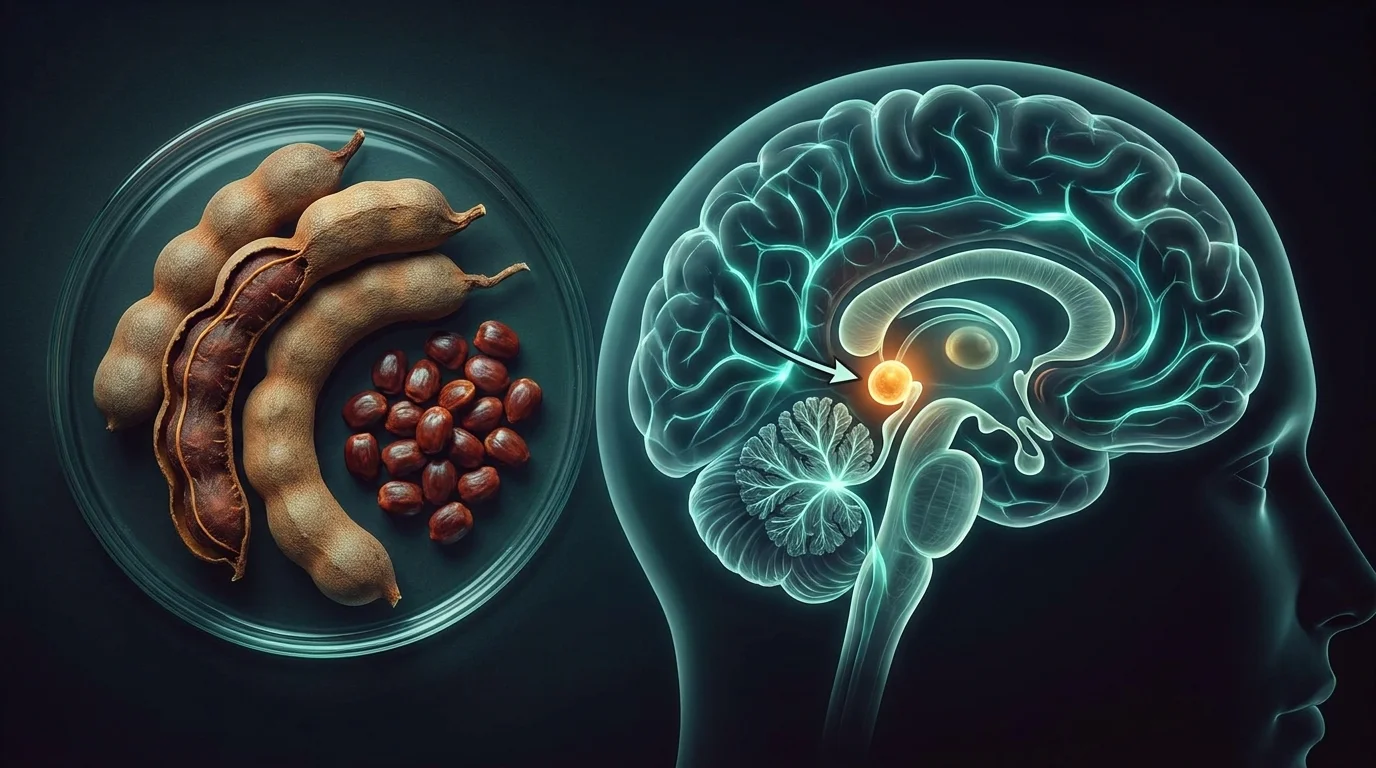
Tamarind and the Pineal Gland: What One Human Study Actually Found
In 2002, researchers at the National Institute of Nutrition in India gave 18 boys 10 grams of tamarind pulp with their lunch every day for 18 days. No supplements. No protocols. Just tamarind.
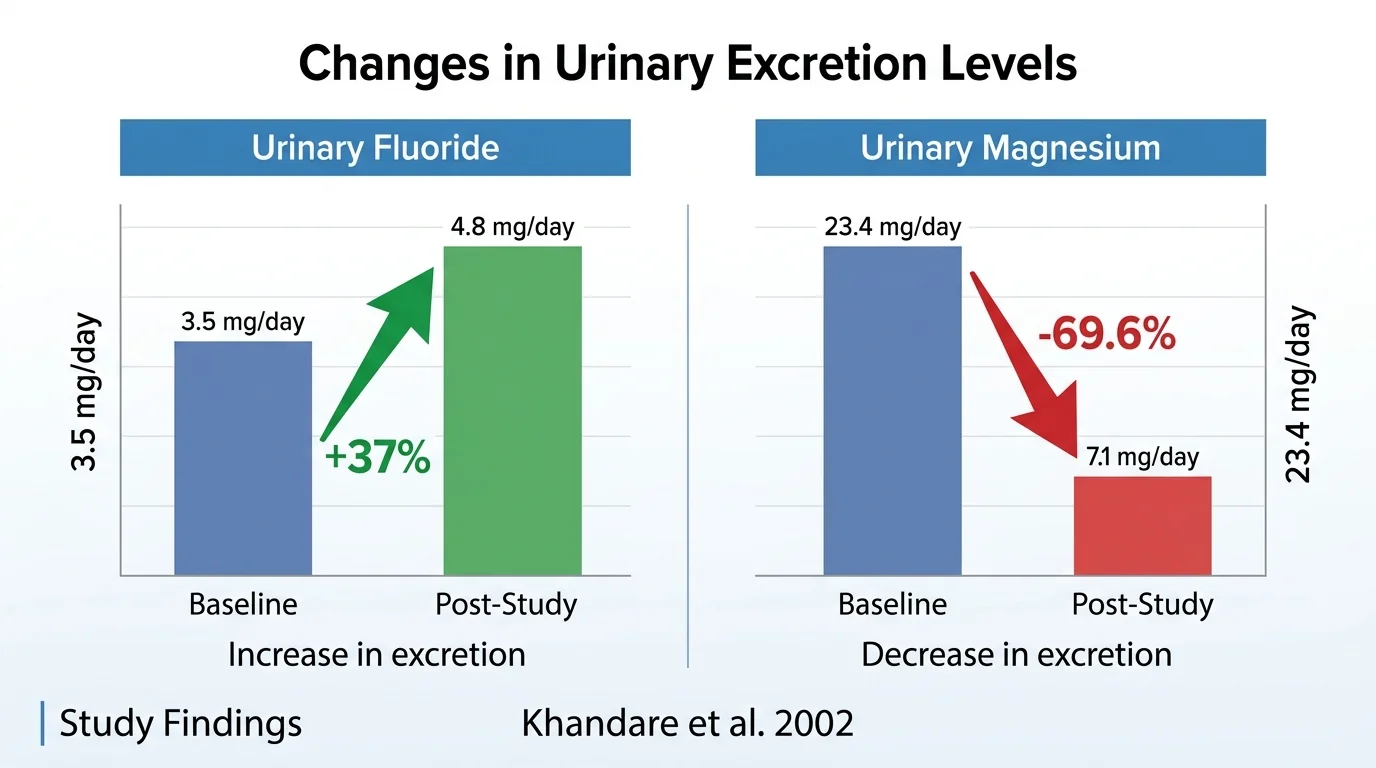
Urinary fluoride excretion went from 3.5 to 4.8 milligrams per day. Thirty-seven percent up. Statistically significant. Peer-reviewed. Published in the European Journal of Clinical Nutrition.
When it comes to tamarind and the pineal gland, that study is the only human evidence in the room. Most of what circulates online either overstates it dramatically or doesn’t understand what it actually measured. I’ve seen both — and honestly, the overstating bothers me more, because it poisons the well for people trying to make real decisions.
Here’s what Khandare et al. actually found. And here’s where the honest line is.
What Is Tamarind?
Tamarindus indica is a leguminous tree native to tropical Africa, now cultivated extensively across the Indian subcontinent and Southeast Asia. The edible pulp surrounding its seeds is one of the most widely used souring agents in Indian, Thai, and Latin American cooking — the base note in tamarind chutney, pad thai, and Worcestershire sauce, if you need a reference point.
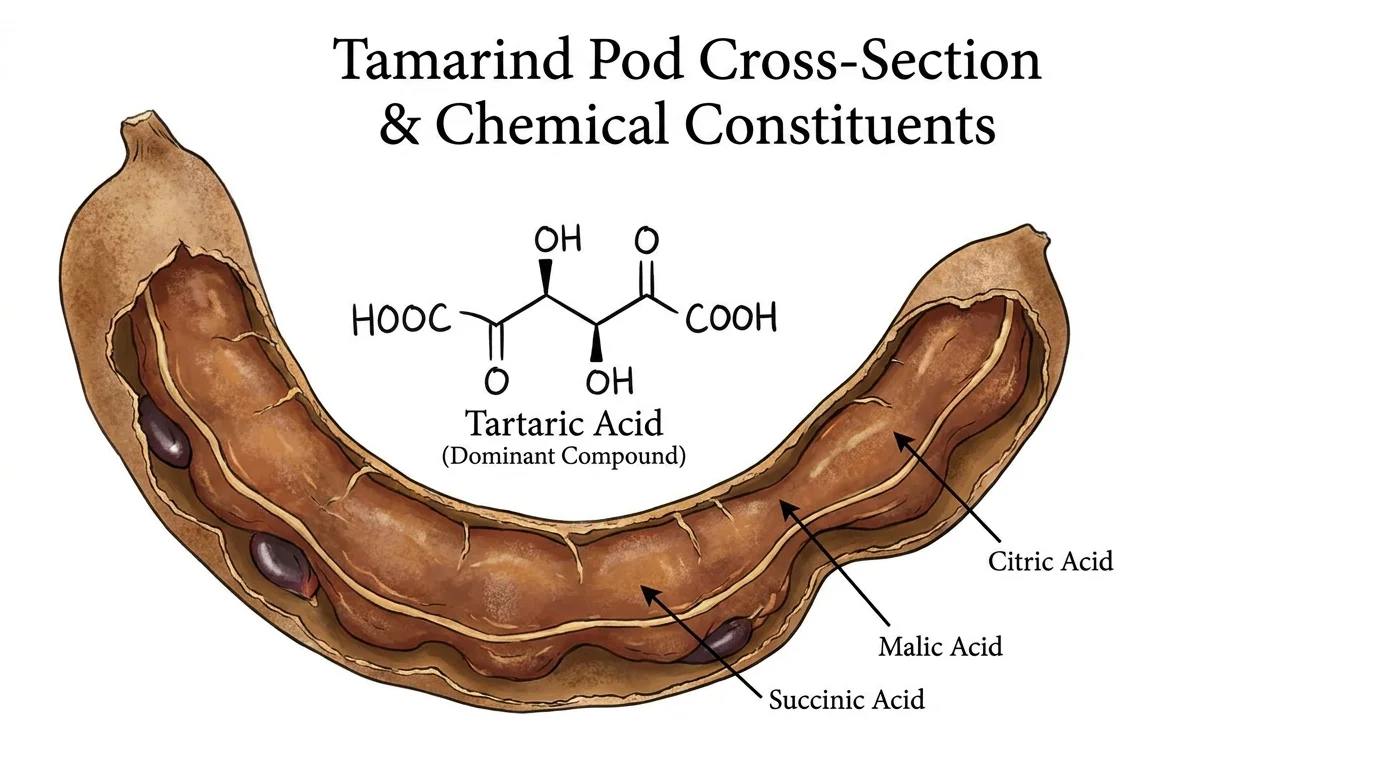
What makes tamarind chemically interesting for this conversation is its organic acid profile. It’s one of the few foods where tartaric acid is the dominant organic component, confirmed in a 2024 analysis in the Biochemistry Journal alongside citric, malic, and succinic acids. A 2026 review in Nutrients documented its polyphenolic antioxidants, vitamin C, and flavonoids with measurable anti-inflammatory and antioxidant activity in multiple models. None of that is why we’re here, though. We’re here because of what tartaric acid does in the kidneys. That’s the mechanism that matters.
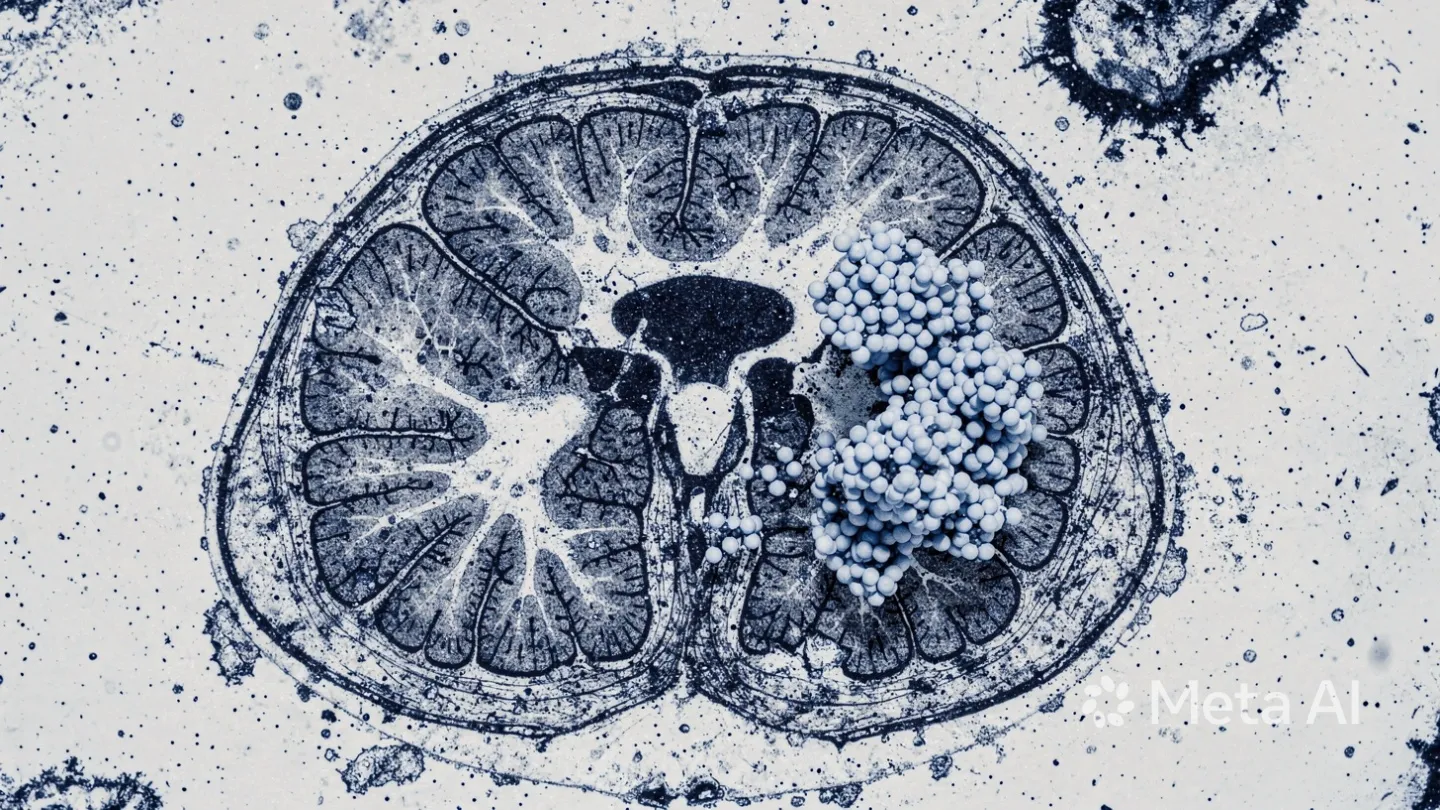
Tamarind’s organic acid profile — tartaric acid is the dominant active component responsible for its fluoride-chelating and renal clearance mechanisms.
The Science: How Tamarind Affects Fluoride Excretion
The Khandare et al. 2002 study is worth reading carefully — not just the headline number.
Design: randomized, diet-controlled crossover. Twenty boys aged 8–10, living in a residential school in a fluorosis-endemic region of Andhra Pradesh. Eighteen completed the trial. The school environment was critical because it let researchers control the entire diet, which almost never happens in nutrition research. Participants ate 10 grams of tamarind pulp daily for 18 days alongside standard meals.
Result: 24-hour urinary fluoride excretion rose from 3.5 ± 0.22 mg/day to 4.8 ± 0.22 mg/day (p<0.001). Urine pH increased during the tamarind period. The researchers’ own conclusion was measured: tamarind “is likely to help in delaying progression of fluorosis by enhancing urinary excretion of fluoride.” Not reversing it. Delaying it.
Now the part most articles skip.
Magnesium excretion dropped 69.6% — from 23.4 mg/day down to 7.1 mg/day. Zinc excretion fell 23.8% — from 331.8 µg/day to 252.9 µg/day. Both statistically significant. Calcium and phosphorus? No meaningful change. Tamarind doesn’t appear to touch calcium directly.
I don’t know why this detail keeps getting buried. It’s in the same paper. It’s relevant. Sites that recommend tamarind without mentioning it are either not reading the primary source or choosing not to.
Tamarind consumption of 10g/day over 18 days increased urinary fluoride excretion by 37% in a randomized human trial (Khandare et al., 2002, European Journal of Clinical Nutrition) — while simultaneously reducing urinary magnesium excretion by 69.6%, a finding most popular sources omit entirely.
Whether that magnesium drop reflects increased retention — which would be beneficial — or reduced absorption is genuinely unclear. No follow-up study has measured serum magnesium or zinc during a tamarind protocol. That’s not a minor footnote. That’s a gap.
If you run this protocol daily, magnesium glycinate and zinc bisglycinate co-supplementation is a reasonable precaution based on this data alone.
Khandare et al. (2002): the 37% fluoride excretion increase and the 69.6% magnesium drop come from the same table in the same paper. Most sources cite only the first number.
Why Tartaric Acid Is the Key Mechanism
Here’s what’s happening at the biochemical level:
Tartaric acid in tamarind pulp is not metabolized by the human body — it passes through largely intact
As it’s excreted renally, it alkalinizes urine
Fluoride clearance is pH-dependent: alkaline urine increases the renal clearance of fluoride ions significantly
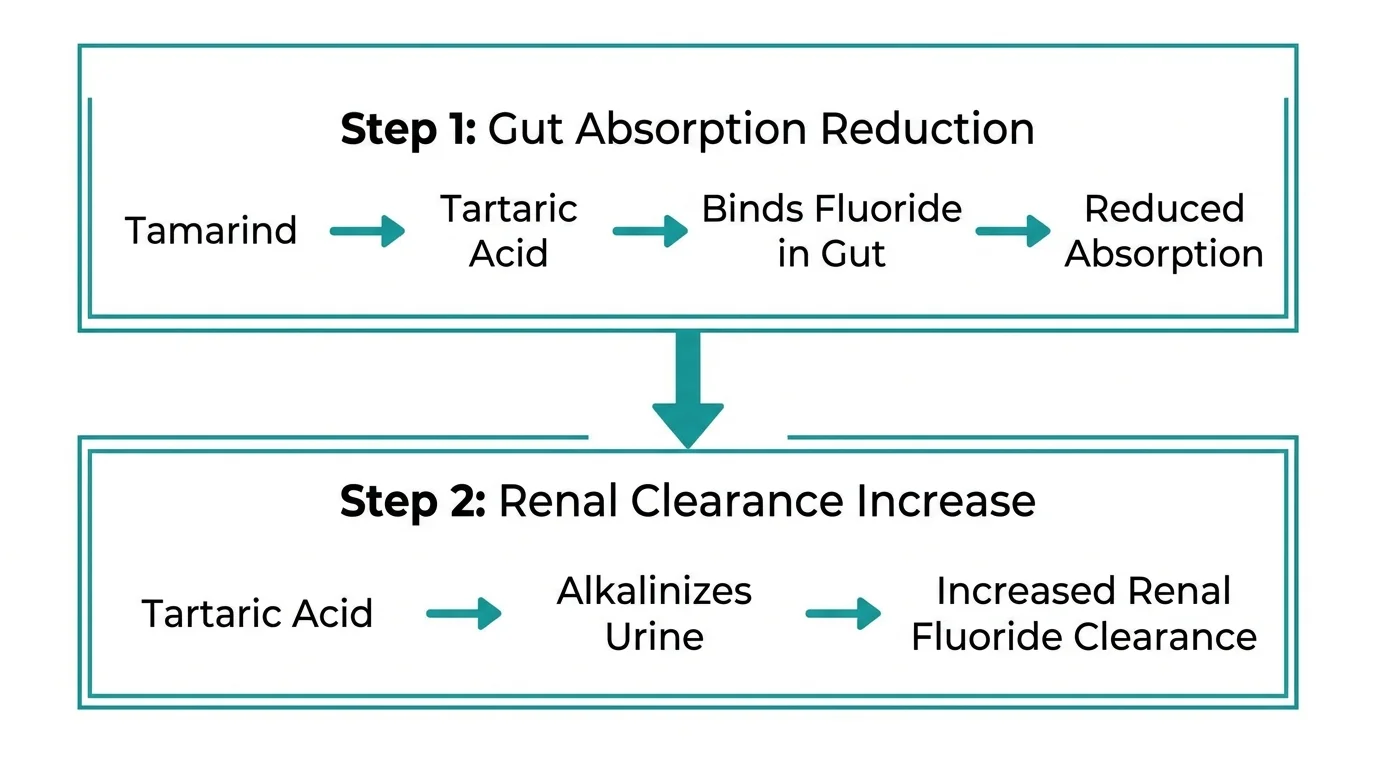
Tartaric acid may also bind fluoride in the digestive tract before absorption, reducing systemic uptake at the source
Two mechanisms. Digestive binding first, renal clearance second.
A 2004 follow-up by the same Khandare team in the Journal of Nutritional Biochemistry added one more layer: tamarind showed additional fluoride mobilization from bone tissue in animal models, even in subjects already drinking defluoridated water. The effect wasn’t just reducing new intake — it may pull fluoride already stored in calcified tissue.
That 2004 study used rats. Not humans. Worth repeating.
Tamarind’s two-step fluoride reduction mechanism — digestive binding reduces absorption, while renal alkalinization increases excretion of what does enter systemic circulation.
Does Tamarind Help Pineal Gland Calcification?
Mechanistically, yes — with a qualifier most sources won’t give you.
The NRC’s 2006 review of EPA fluoride standards concluded fluoride likely affects pineal function and may reduce melatonin production. A 2021 study in Environmental Health Perspectives linked fluoride exposure to sleep disruption through exactly this pathway — the degree of functional, non-calcified pineal tissue correlates with melatonin output.
So: fluoride accumulates in the pineal. Tamarind increases fluoride excretion systemically. Therefore tamarind may reduce the rate of fluoride accumulation in the pineal over time.
The connection is logical. It is not proven.
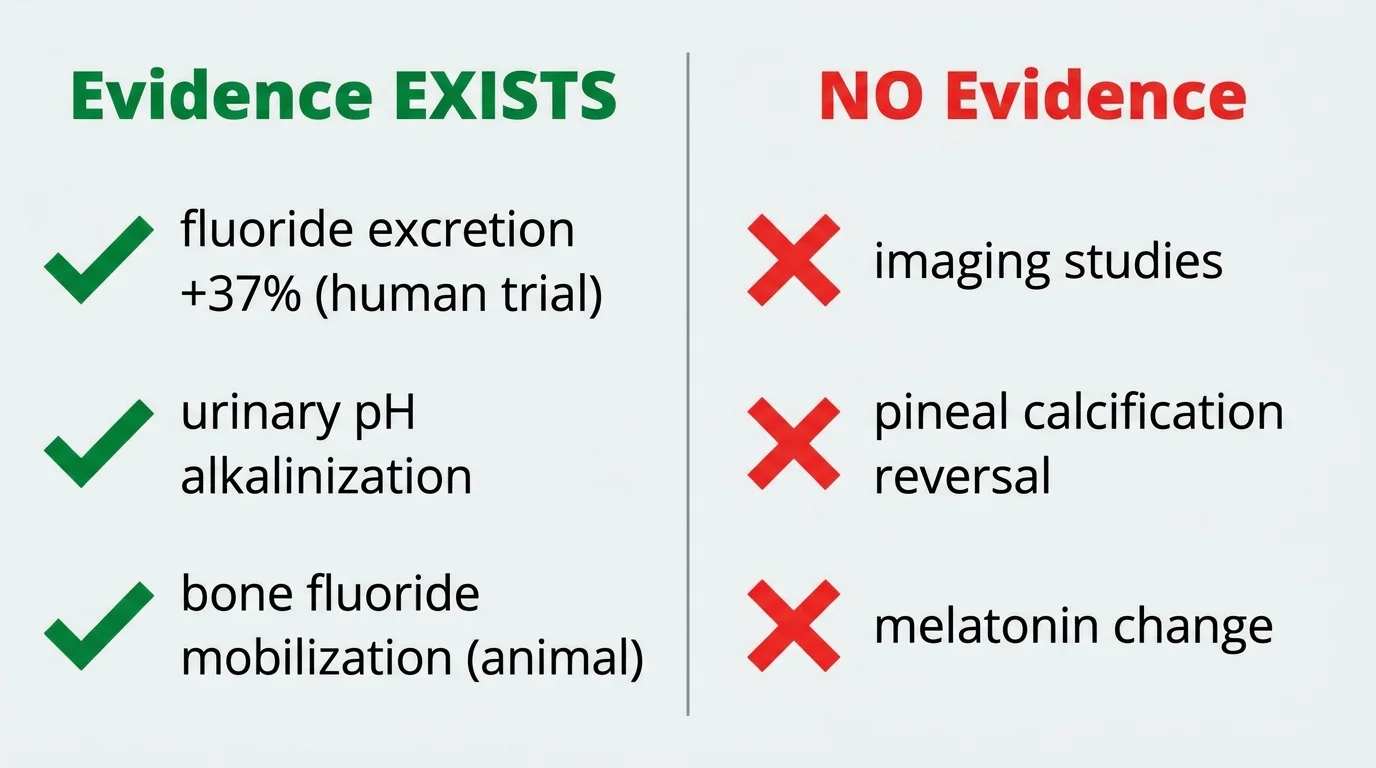
No imaging study has examined pineal calcification before and after a tamarind protocol. Khandare measured urine. The link from “increased urinary fluoride” to “reduced pineal calcification” is mechanistically reasonable — not clinically demonstrated. If you’ve read it stated as fact somewhere, that site was filling in gaps you weren’t supposed to notice.
Can Tamarind Reverse Pineal Gland Calcification?
No. And this is probably the most honest paragraph you’ll read about tamarind on the internet today.
Pineal calcification consists of hydroxyapatite — Ca₅(PO₄)₃OH — a crystalline mineral structure. No organic compound in tamarind has a documented mechanism for dissolving those crystals. The 2004 Khandare animal study showed fluoride mobilization from bone, which is a somewhat different context from crystalline deposits in pineal tissue — and again, that was rats.
What tamarind may do is reduce the rate of future fluoride accumulation. That’s a real and meaningful distinction. If fluoride drives progressive calcification, reducing systemic fluoride load over time could slow the process. Reversing what’s already there? The biology doesn’t support it and no study has shown it. What natural approaches can realistically achieve for pineal calcification involves understanding this distinction clearly.
The 2010 Khandare field study adds useful humility here: in real-world conditions with multiple confounders — aluminum cookware, smoking, uncontrolled diet — the protective effect was measurably smaller than in controlled lab conditions. Thirty-seven percent is the ceiling, not the guaranteed floor.
The study that proves tamarind clears existing pineal calcification does not exist. If the structural chemistry holds, it may never exist.
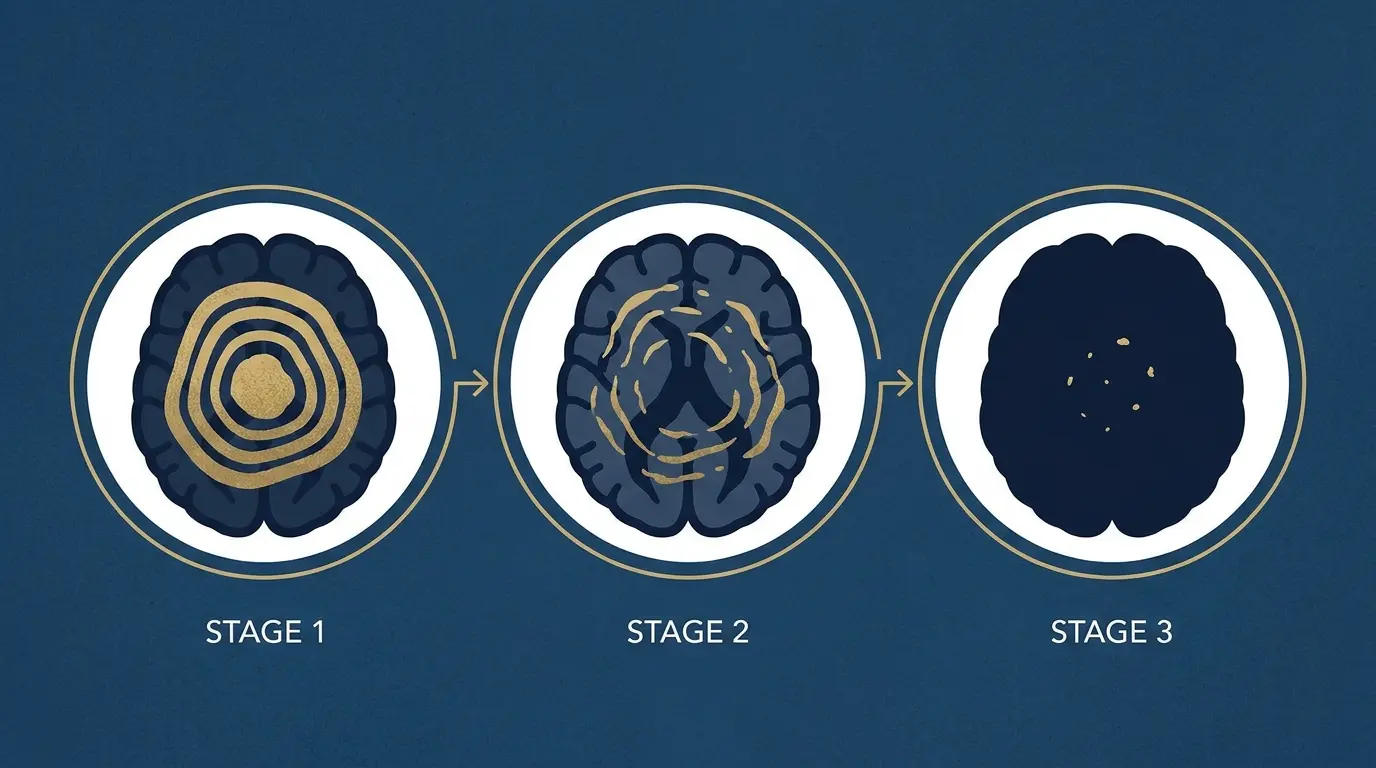
What tamarind has evidence for versus what remains unproven — the distinction between “increased fluoride excretion” and “reversed pineal calcification” is not semantic, it’s clinical.
How to Use Tamarind for Pineal Gland Support
Honest answer on dosing: 10 grams of tamarind pulp per day is the only reference point with human data. Everything beyond that is extrapolation. No dose-response curve exists for adults. No established optimal protocol. One well-designed study and a mechanistic framework. That’s the inventory.
With that said, here’s what the practical application looks like.
Tamarind Paste or Pulp (Dietary)
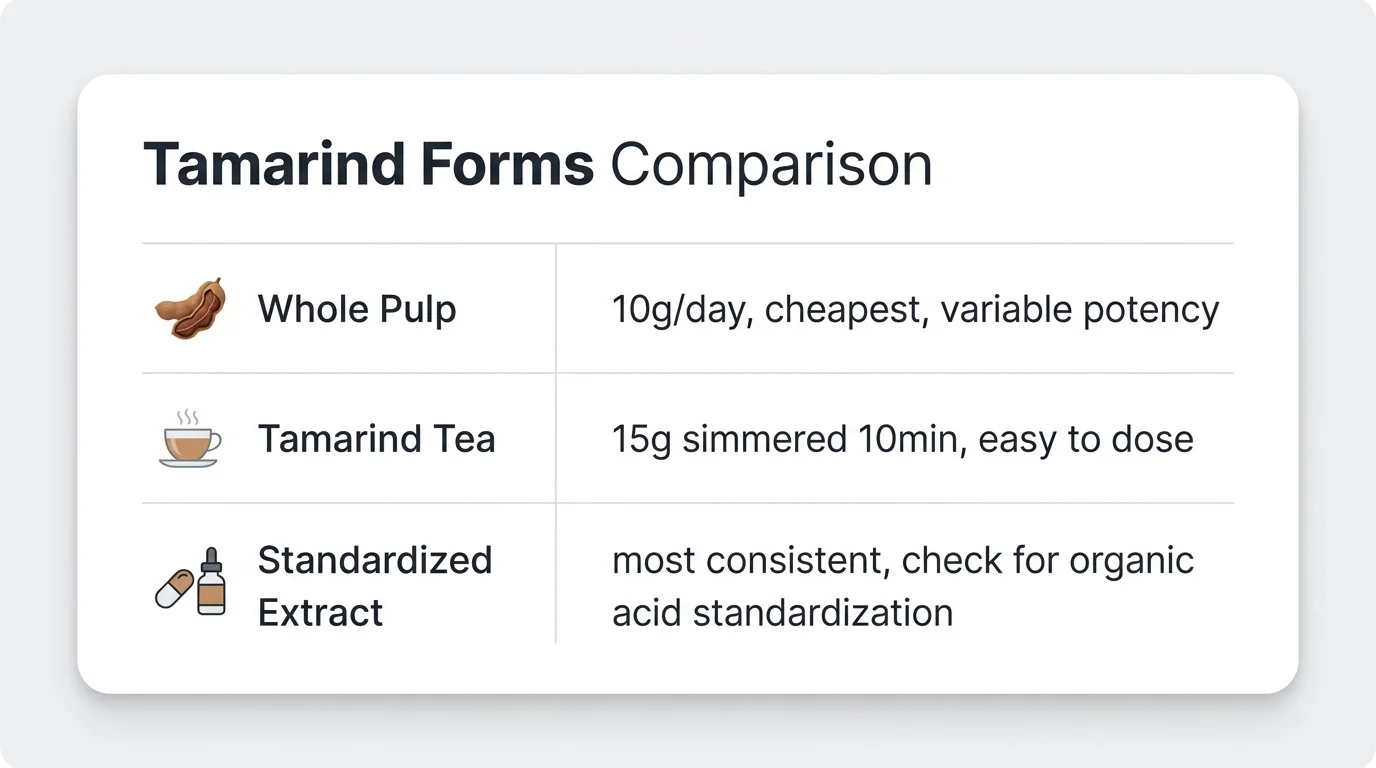
Ten grams of pulp is roughly one tablespoon of concentrated tamarind paste — the kind sold in blocks or jars at Asian and Latin grocery stores. Not subtle in flavor. Sour, dense, slightly sweet, with an intensity that sneaks up on you.
Practical integrations: tamarind-based chutneys, stirred into curries or soups, dissolved in warm water with raw honey. Check the label on commercial pastes — some add significant sodium, which is worth avoiding in a daily protocol.
Tamarind Tea
Simmer 10–15 grams of pulp in 500ml of water for 10 minutes. Strain. Consume fasted or with meals. The resulting liquid is intensely sour. Dilute and add honey if needed.
Tamarind Extract (Supplement Form)
Standardized dry extracts in capsule or liquid form offer more consistency in tartaric acid concentration than whole pulp, which varies by origin and processing. Look for standardization to organic acid content on the label — not just a generic “tamarind extract” with no further specification.
One thing that doesn’t get enough attention: tamarind has documented interactions with ibuprofen and likely other NSAIDs, increasing their bioavailability and therefore their side-effect potential. If you’re on anti-inflammatory medications or anticoagulants regularly, talk to your doctor before starting any daily tamarind protocol.
Three practical forms of tamarind — the 10g/day dose from Khandare et al. is the only reference point with human evidence. Consistency matters more than form.
Other Approaches to Support the Pineal Gland
Tamarind works best as one part of a multi-front approach, not a standalone protocol. Reducing fluoride input — filtered water, fluoride-free toothpaste, dietary choices — is upstream of any excretion strategy. You can’t outrun continuous exposure with periodic excretion.
Two compounds complement tamarind’s mechanism directly. Boron has shown fluoride-chelating properties in animal models and some human observational data. Magnesium — which tamarind may actively deplete, per Khandare’s own numbers — is a cofactor in over 300 enzymatic reactions, including those involved in melatonin synthesis. Running a tamarind protocol without actively replenishing magnesium is leaving a gap in the logic.
Sleep and light exposure still matter more than any of this. A pineal gland operating at partial capacity in genuine darkness will outperform a “supported” pineal gland bathed in blue light at midnight. Start with the behavior before the compounds.
For a full breakdown of how tamarind fits within a multi-ingredient detox protocol — including timing, stacking, and what to expect — the complete pineal gland detox guide covers the evidence hierarchy across all major compounds.
For those who want a consolidated formulation, Pineal Guardian includes tamarind extract (Tamarindus indica) as a primary ingredient alongside Pine Bark Extract, Chlorella, Ginkgo Biloba, Spirulina, Lion’s Mane, Bacopa Monnieri, Moringa, and Neem — nine ingredients in liquid drop format.
Quick Verdict — Pineal Guardian
3.95/5
A liquid botanical formula with nine plant-based ingredients including tamarind extract, targeting pineal support and cognitive function. Practical for those who want tamarind alongside complementary botanicals in one formula rather than sourcing each separately. 365-day guarantee.
The tamarind-pineal connection is real. It’s also narrower than the internet wants it to be.
What’s documented: tamarind increases urinary fluoride excretion in a human randomized trial. The mechanism — tartaric acid alkalinizing urine — is biochemically understood. A 2004 animal study suggests fluoride mobilization from stored tissue is possible. The NRC and fluoride researchers have established the pineal as a primary fluoride accumulator with functional consequences for melatonin.
What’s not documented: any direct measurement of tamarind’s effect on pineal tissue, calcification on imaging, or melatonin output. The inference from “more fluoride in urine” to “healthier pineal” is logical. It isn’t clinical outcome data.
What most sources hide: the 69.6% drop in magnesium excretion from the very paper everyone cites for the 37% number. Same study. Same table. You’d think it would come up more often.
Start with your water. Filter fluoride at the source. Add 10 grams of tamarind pulp daily. Supplement magnesium glycinate alongside it. Get consistent sleep in real darkness.
That’s not a spiritual program. It’s a reasonable reduction of a documented stressor on a gland you’d prefer to keep functional.
Frequently Asked Questions
Does tamarind really decalcify the pineal gland?
Not directly. A 2002 human study (Khandare et al.) showed tamarind increases urinary fluoride excretion by ~37%. Since the pineal accumulates fluoride, tamarind may slow future buildup — but no imaging study has shown reversal of existing calcification.
Can tamarind reverse pineal gland calcification?
No study has demonstrated reversal of existing pineal calcification from tamarind. The evidence supports reduced fluoride accumulation over time. Existing hydroxyapatite deposits are crystalline structures that organic compounds cannot dissolve.
How much tamarind should I eat to decalcify my pineal gland?
The Khandare et al. study used 10g of tamarind pulp per day over 18 days — roughly 1 tablespoon of concentrated paste. This is the only dose with direct human evidence for increased fluoride excretion.
What is the best way to consume tamarind for pineal health?
The most practical forms are tamarind paste added to food, tamarind water (simmer 10-15g pulp for 10 minutes), or standardized extract supplements. The key active mechanism is tartaric acid, which alkalinizes urine and increases fluoride clearance.
Does tamarind help the pineal gland?
Mechanistically, yes — by reducing systemic fluoride load. The pineal gland has unusually high fluoride concentrations due to its limited blood-brain barrier. Tamarind's effect on fluoride excretion is the most direct dietary intervention with human evidence.
Marcus Hale is an independent researcher and former clinical neuroscientist.
The content on PinealCode.com is for informational purposes only and does not
constitute medical advice.
Medical Disclaimer: The content on
PinealCode.com is for informational and educational purposes only. Nothing here
constitutes medical advice, diagnosis, or treatment. Always consult a qualified
healthcare provider before making changes to your health regimen.
Marcus Hale
Independent Researcher · Former Clinical Neuroscientist
I spent 12 years in clinical neurology before the questions got more interesting
than the answers. PinealCode is where I document what I find at the intersection
of brain science and consciousness.