8 min read
C60 Pineal Gland: Nobel Molecule, Honest Evidence Review
C60 binds up to 6 electrons at once — no other antioxidant works this way. Whether it protects your pineal from calcification: the honest...
April 8, 2026
Read →
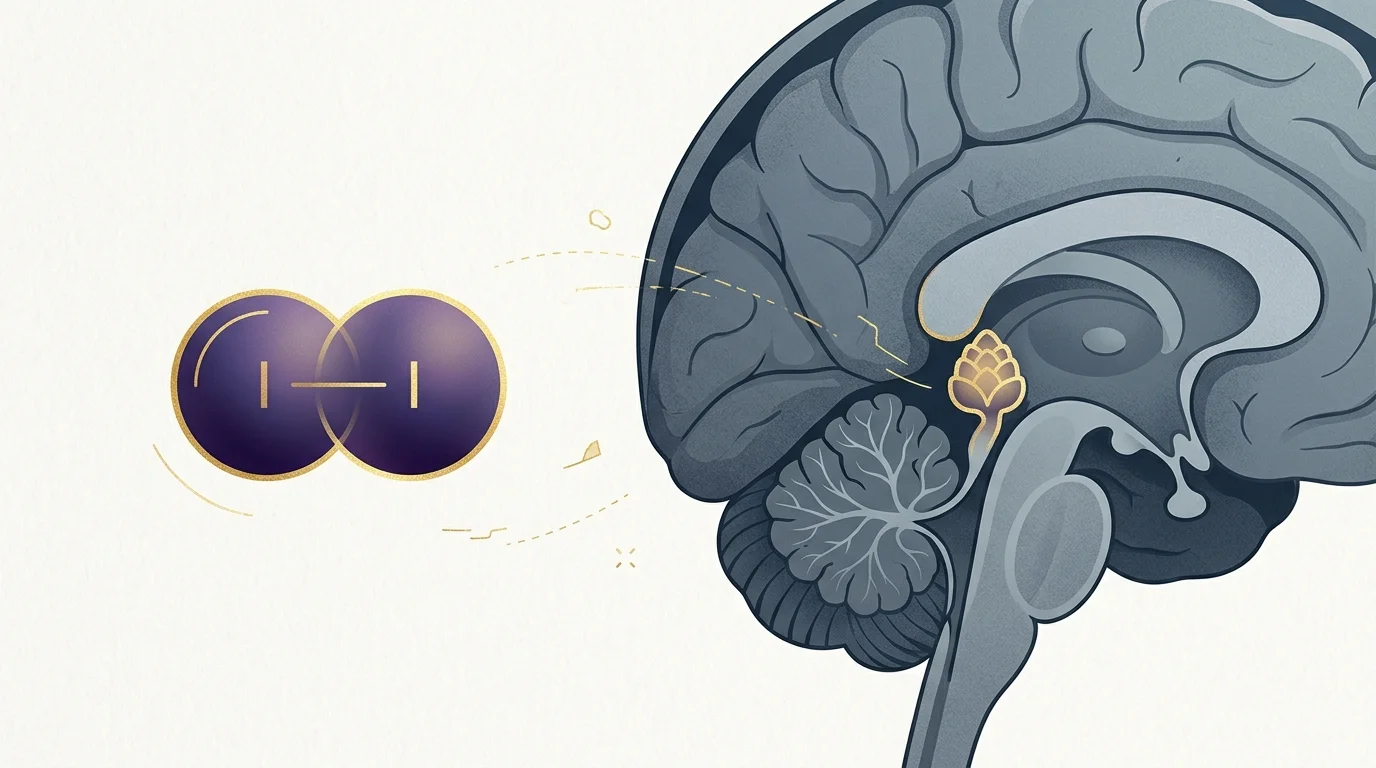
Search “iodine pineal gland” and you’ll get roughly 4 million results telling you to drink Lugol’s solution to “activate your third eye.” Most of them cite zero studies. Some cite one — and misread it.
Here’s what caught my attention: there is a real biochemical mechanism connecting iodine and fluoride in the body. It’s documented. It’s peer-reviewed. And it has almost nothing to do with what 90% of the internet is claiming.
The iodine-pineal connection isn’t fiction. But it’s not what Reddit thinks it is either. The actual science sits in an uncomfortable middle ground: plausible, partially proven, and riddled with gaps that nobody online seems interested in acknowledging.
I am.
The short answer: fluoride.
The pineal gland accumulates fluoride at concentrations higher than bone. That finding, from Jennifer Luke’s 2001 study in Caries Research, is the most-cited piece of evidence in the entire pineal-health space. And iodine, being a fellow halogen, competes with fluoride at the cellular level. So the logic goes: more iodine in, more fluoride out.
That logic isn’t wrong. It’s just incomplete.
The spiritual community grabbed that mechanism and ran with it, past the peer-reviewed finish line and into territory that looks a lot like wishful thinking. Meanwhile, the medical establishment ignored it entirely, because the pineal gland doesn’t generate billing codes.
There’s an irony there. Descartes named this structure the seat of the soul in 1649. Four centuries of philosophy took him seriously. Modern neuroscience treats the same structure like a parking lot for calcium deposits. We may have overcorrected.
Marcus Hale territory: somewhere between those two. Let’s walk through what the biochemistry actually shows.
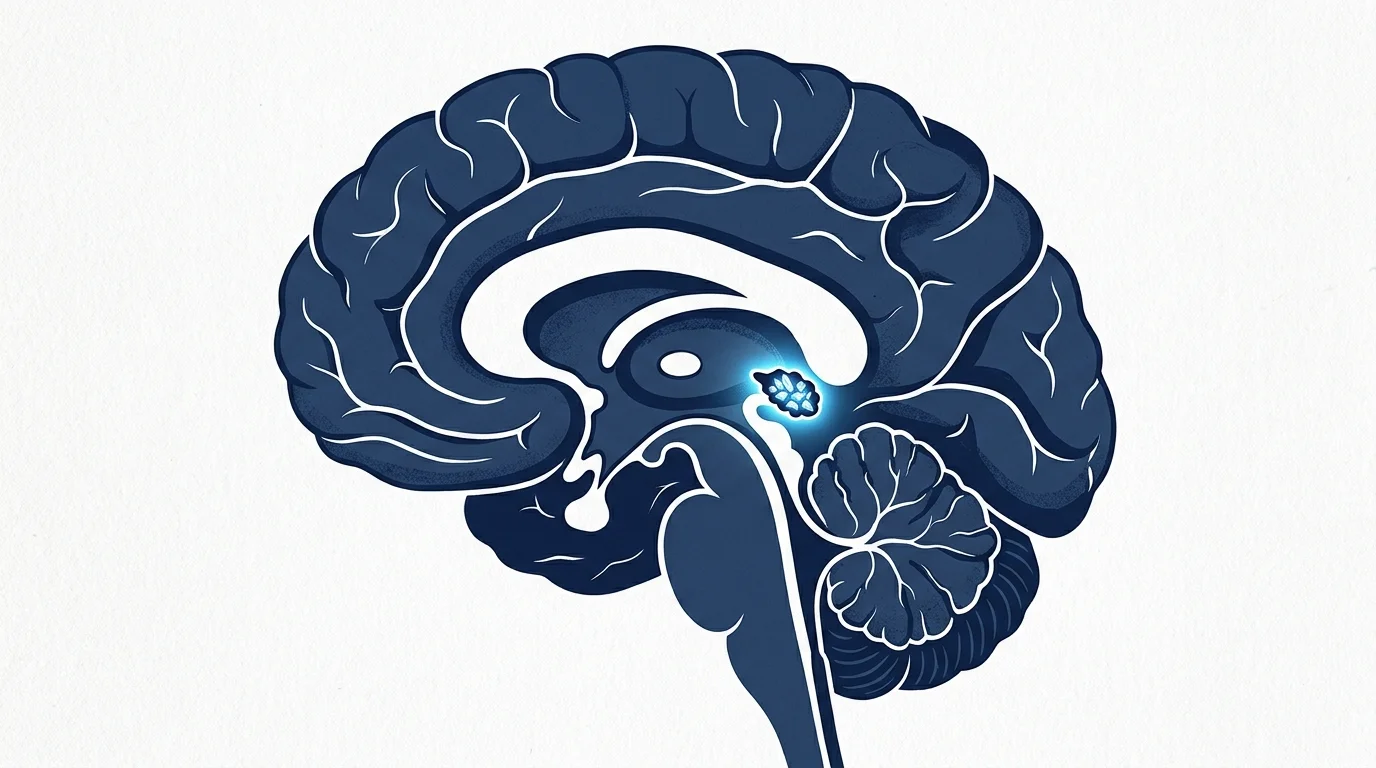
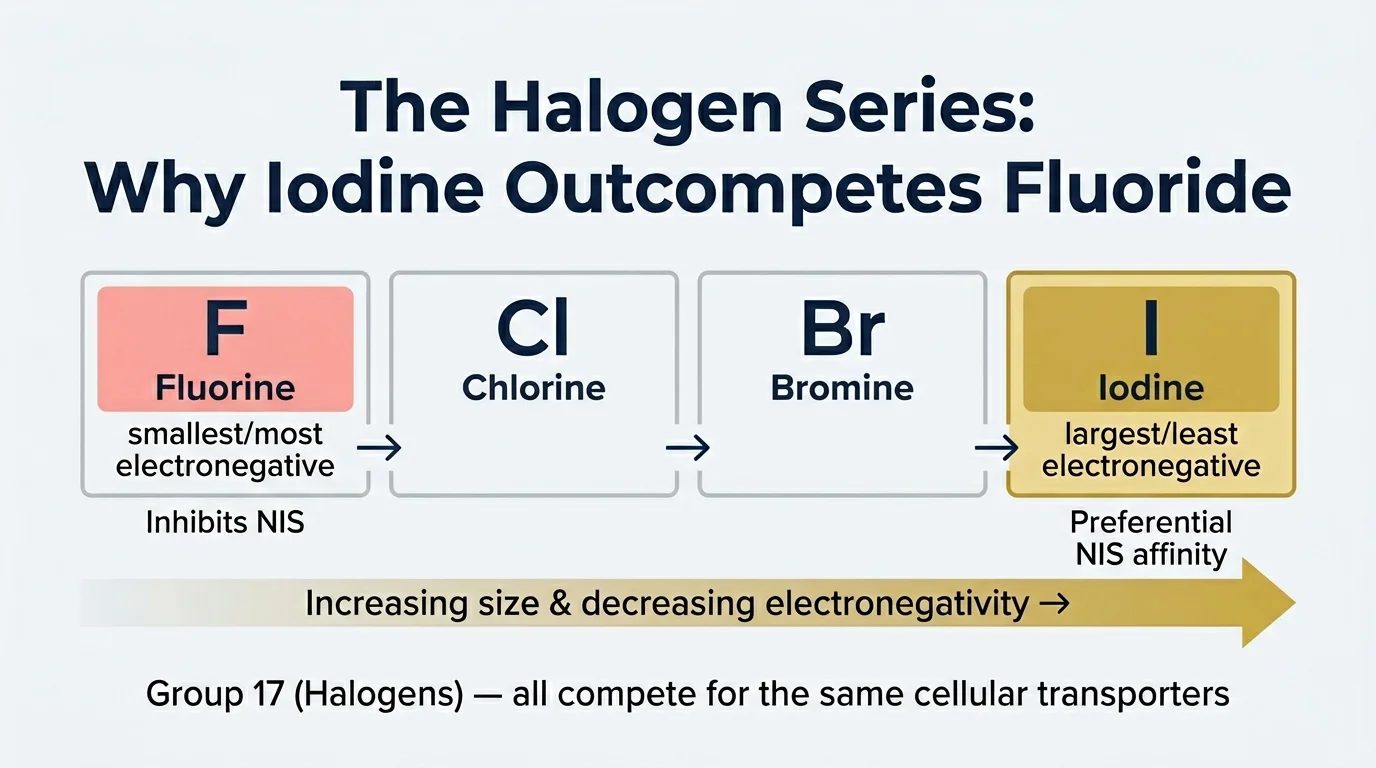
Possibly, but not through the mechanism most people think. Iodine and fluoride are both halogens (Group 17 on the periodic table), and they compete for the same cellular transporters. That competition is real, documented, and forms the basis for every iodine-pineal claim you’ve ever read.
But the details matter more than the headline.
These four elements share a column on the periodic table for a reason: they behave similarly at the molecular level. Fluorine is the smallest and most electronegative. Iodine is the largest and least electronegative. In certain biological contexts, iodine has preferential affinity for specific transporters, meaning it can outcompete lighter halogens for a seat at the table.
That’s not metaphysics. That’s chemistry.
The NIS is a protein that actively pumps iodide into cells, co-transporting two sodium ions with one iodide ion against the electrochemical gradient. It’s the primary way your thyroid captures iodine from your blood. A 2019 study by Duan et al. in Toxicology Letters showed that fluoride inhibits NIS expression and function across multiple tissues, including the thyroid, salivary glands, and stomach lining.
Here’s what most articles leave out: the NIS has been mapped in salivary glands, stomach, and breast tissue by Spitzweg et al. in a 1998 Journal of Clinical Endocrinology & Metabolism study. The pineal gland was not included in that mapping. Not because it was tested and found negative — because it was never tested at all.
If the pineal gland is just a vestigial organ with no real function, why does it have more blood flow per gram than almost any other structure in the brain? And why does it hoard fluoride like it’s collecting something?
Nobody has answered that yet.
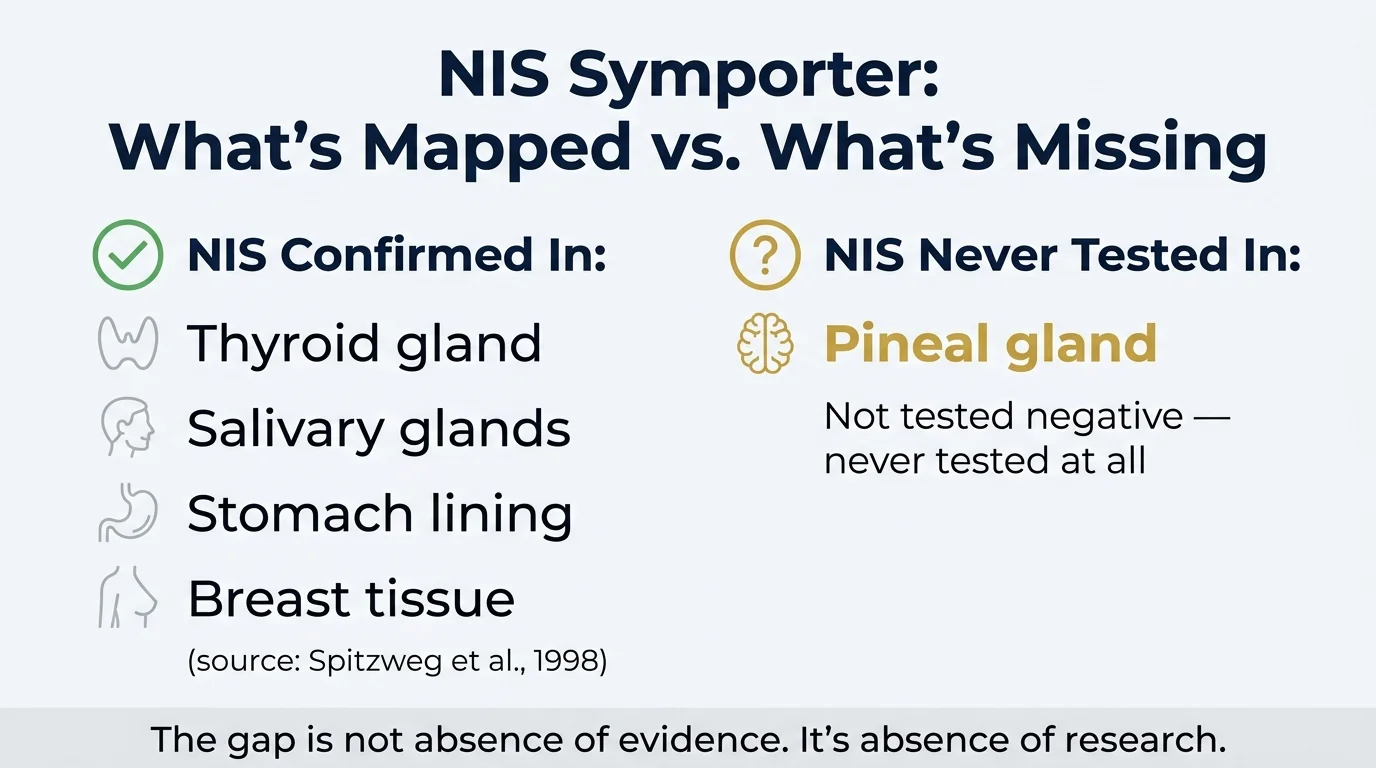
No direct evidence supports this claim. The halogen displacement mechanism is proven in the thyroid. The pineal’s accumulation of fluoride is documented. But the bridge between those two facts, the idea that oral iodine can displace fluoride specifically from pineal tissue, has never been tested in a single published study.
Let me be precise about what we know versus what we’re guessing.
What we know: Luke’s 2001 study found fluoride concentrations in the human pineal ranging from 14 to 875 mg F/kg, with a mean of 296 mg/kg, statistically higher than adjacent muscle tissue. The pineal appears to concentrate fluoride preferentially, with a fluoride-to-calcium ratio exceeding that of bone.
What we don’t know: whether the pineal gland expresses functional NIS transporters, whether oral iodine reaches pineal tissue at meaningful concentrations, and whether any supplement can reverse existing calcification.
Pineal calcification affects roughly 62% of adults per a 2023 systematic review, yet no clinical trial has tested whether iodine supplementation can reverse it.
I’ve had experiences I can’t explain with a PubMed search. But I also won’t pretend the published data says something it doesn’t. The chain of inference from “iodine displaces fluoride in the thyroid” to “iodine decalcifies the pineal gland” has at least three unverified links. That’s not a reason to dismiss it. It’s a reason to be honest about where the evidence actually stops.
This is the gray zone. Not disproven, not proven, and worth watching. Here’s what we DO know, and here’s where we’re guessing.
The strongest evidence for iodine-fluoride displacement comes from the thyroid, not the pineal. And it’s worth understanding, because the systemic effect may be more relevant than the direct one.
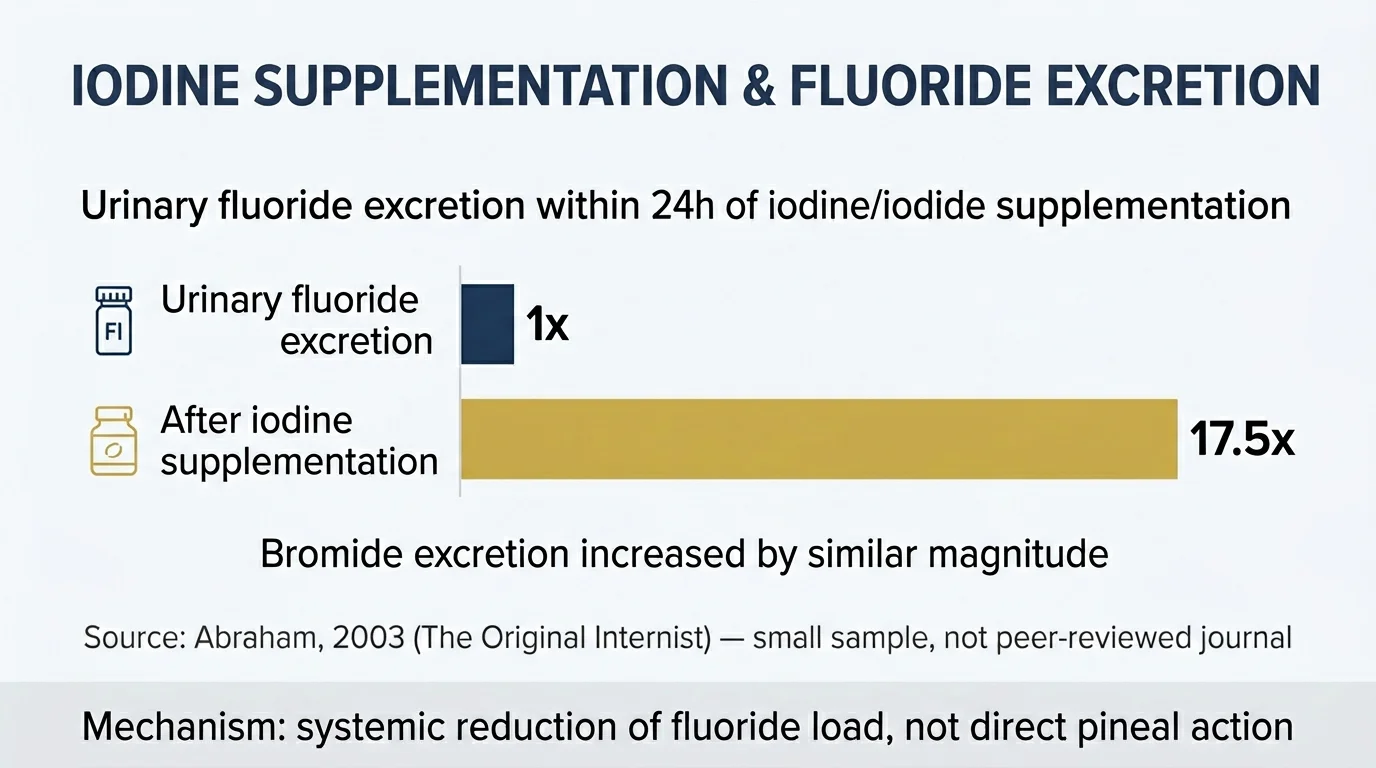
A 2003 clinical observation by Dr. Guy Abraham published in The Original Internist found that iodine/iodide supplementation increased urinary fluoride excretion by roughly 17.5 times baseline within 24 hours. Bromide excretion increased by a similar magnitude. The implication: iodine supplementation may help the body dump stored fluoride through the kidneys.
Why does this matter for the pineal? Because if your body excretes more fluoride systemically, less fluoride is available to deposit in the pineal over time. That’s not the same as “iodine cleans your pineal gland.” It’s more like: iodine may reduce the ongoing assault. A meaningful difference.
One caveat that matters: Abraham’s study wasn’t published in a high-impact peer-reviewed journal, and the sample size was small. The mechanism is consistent with halogen chemistry, but the clinical data supporting it is thinner than the internet suggests.
Reducing fluoride exposure remains the most evidence-based first step. Iodine supplementation is a plausible second.
There’s no established dose for pineal gland support. That’s not a hedge. That’s the situation. This question worries me more than most in this space, because the doses circulating in online protocols can cause real harm.
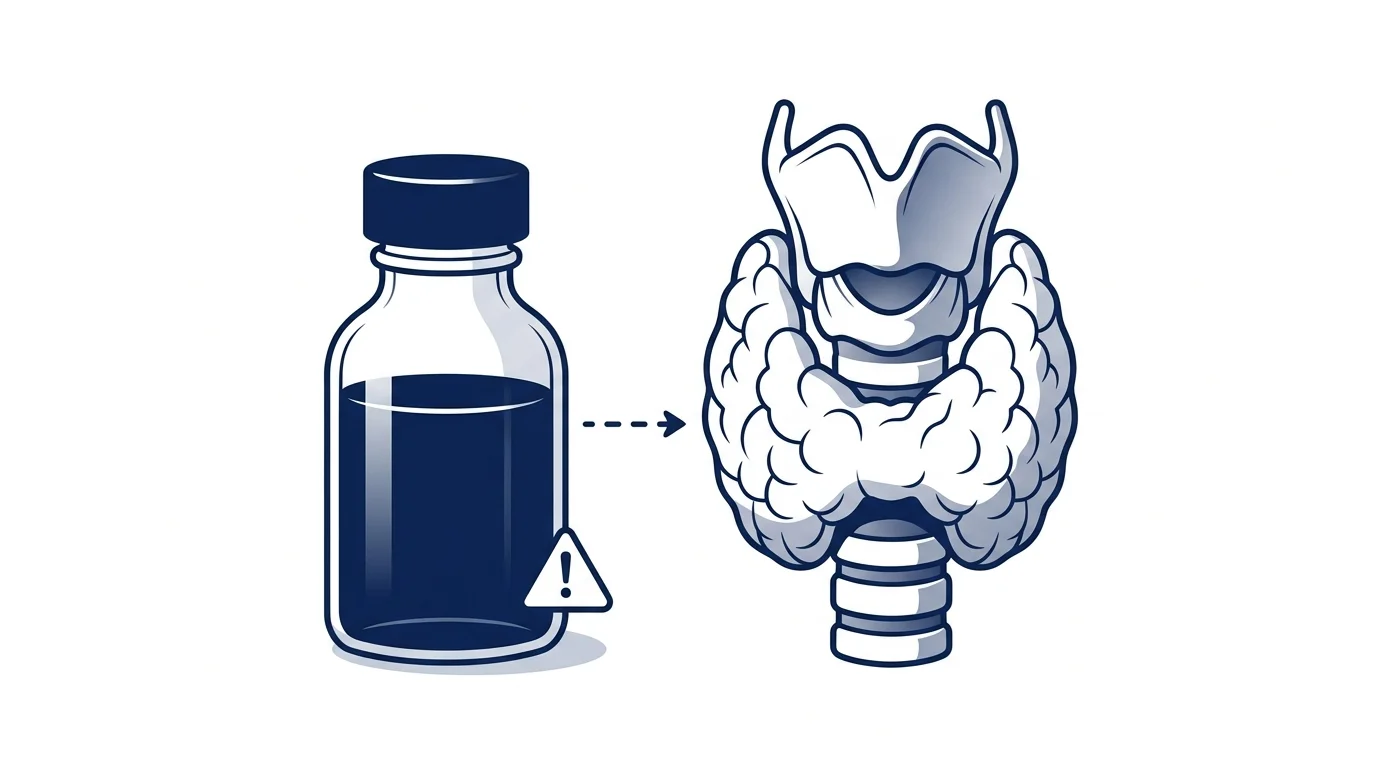
When you flood your thyroid with iodide, it temporarily shuts down hormone production. This is called the Wolff-Chaikoff effect, and in healthy thyroids, it resolves in about two days as the gland downregulates NIS expression. A 1999 study by Eng et al. in Endocrinology documented this escape mechanism in detail.
But here’s what the underground protocol crowd doesn’t mention: in people with Hashimoto’s thyroiditis or other autoimmune thyroid conditions, the escape mechanism can fail. The result is persistent hypothyroidism: fatigue, weight gain, brain fog, depression. The very symptoms people are trying to fix.
Some online protocols recommend 50 mg of iodine per day. The RDA is 150 micrograms. That’s a 300-fold difference. Without medical supervision, you’re gambling with your thyroid to chase an unproven pineal benefit.
Don’t do that.
If you want to support iodine status safely, food is the least risky path. Seaweed, particularly kelp, kombu, and nori, is exceptionally rich in iodine. One gram of dried kelp can contain over 1,300 mcg of iodine, which already exceeds most recommended upper limits. Fish, dairy, and eggs are more moderate sources.
Yes, there’s a supplement for that. There’s always a supplement for that. But the gap between “dietary iodine adequacy” and “megadose Lugol’s protocol” is the gap between supporting your body and stressing it — for a whole foods approach to pineal health, the evidence base is considerably more solid.
Let me lay this out without spin.
Established science: Iodine and fluoride compete at the NIS transporter. Fluoride accumulates in the pineal gland at concentrations exceeding bone. Iodine supplementation increases systemic fluoride excretion.
Unestablished: Whether the pineal gland expresses functional NIS. Whether oral iodine reaches pineal tissue. Whether any intervention reverses existing pineal calcification. Whether pineal calcification directly impairs melatonin production in living humans.
When I was still in clinical research, we wouldn’t have taken this topic seriously. The pineal gland was a footnote. Literally, in most neuroscience textbooks. I’m somewhat embarrassed to admit that now, not because the topic has been proven, but because we dismissed it before doing the work.
But Luke’s fluoride data is real. The halogen displacement chemistry is real. The NIS mechanism is real. The gap is in the last mile: nobody has connected these dots with a controlled study in human pineal tissue.
Plausible, not proven. And that’s the honest position.
If you want to start somewhere, start with reducing fluoride exposure and ensuring adequate, not excessive, iodine intake through diet. For a broader view of evidence-ranked supplements for pineal health, we’ve covered the full landscape elsewhere. That’s not exciting. It’s not going to “open” anything. But it’s the intervention that doesn’t require you to ignore what the science hasn’t confirmed yet.
Marcus Hale is an independent researcher and former clinical neuroscientist. The content on PinealCode.com is for informational purposes only and does not constitute medical advice.
C60 binds up to 6 electrons at once — no other antioxidant works this way. Whether it protects your pineal from calcification: the honest...
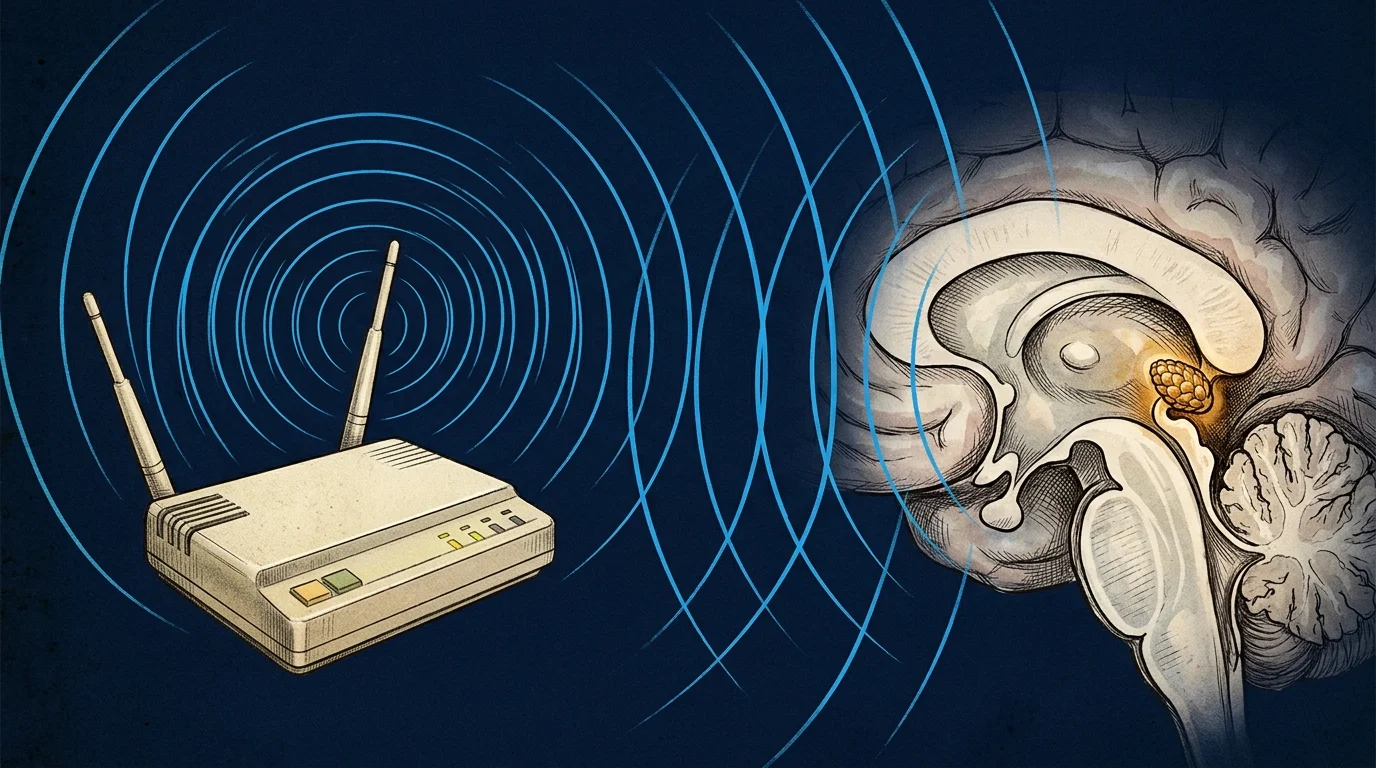
WiFi and pineal calcification — what the science actually shows. Volkow 2011, Baconnier 2002 crystals, calcium channels. Honest analysis,...
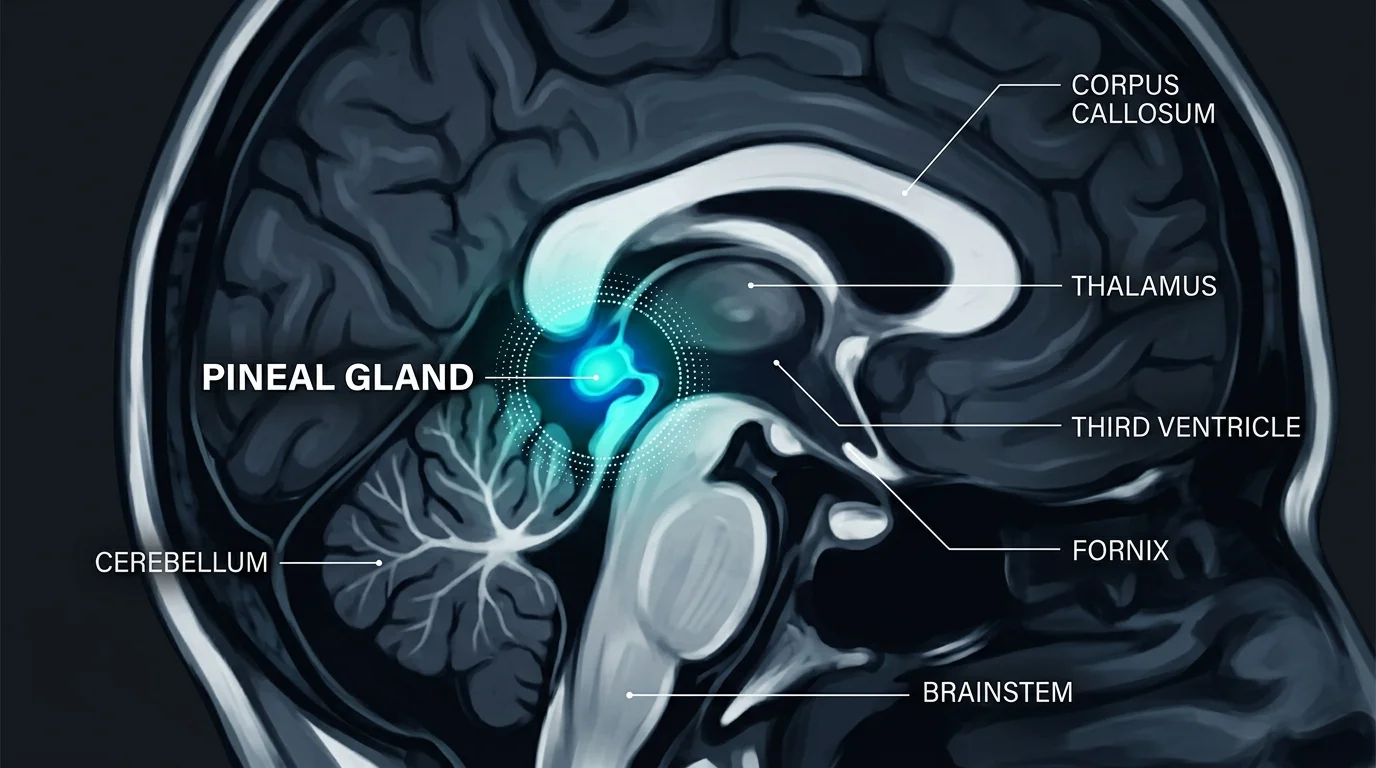
A bulky pineal gland with rim calcification on MRI is usually benign—but here's what the radiology report actually means and when you need...
Marcus Hale
Independent Researcher · Former Clinical Neuroscientist
I spent 12 years in clinical neurology before the questions got more interesting than the answers. PinealCode is where I document what I find at the intersection of brain science and consciousness.